
Baidu AI Art opens the Wenxin Yige engine as an API, eight images a call
Summary
A text-to-image service sold to developers rather than a drawing website: the in-house engine is exposed through two endpoints, handles plain text, a reference image and text-driven edits, and returns up to eight images per call.
- Name
- Baidu AI Art
- Version
- premium-edition
- Pricing
- Paid
- Open source
- Proprietary
- Operating system
- WindowsmacOSLinuxiOSAndroid
- Updated
- 2026-10-06 08:38
This is not a website where you type a sentence and download a picture. Baidu AI Art is a text-to-image service built on the Wenxin large model, sold to developers: hand it a piece of text and it returns one or more images, through an interface that can be wired straight into a business process. The distinction is the point. Several editions exist, and the advanced one has gone fully commercial, opening the company's own generation engine, Wenxin Yige, as a developer interface.
From an in-house engine to a developer interface
Wenxin Yige is the image system built on knowledge and on the large models, combining a knowledge graph with cross-modal generation and editing models. The product notes state that the advanced edition is precisely the line that exposes this engine: it handles text to image and also reference-based generation, with a wider set of styles — artistic imagination and a stylised anime look among them — and finer image quality. The developer platform describes it as a general and controllable text-to-image system built on domestic technology, able to produce imagery in any style from a natural-language description.
A sentence into a picture
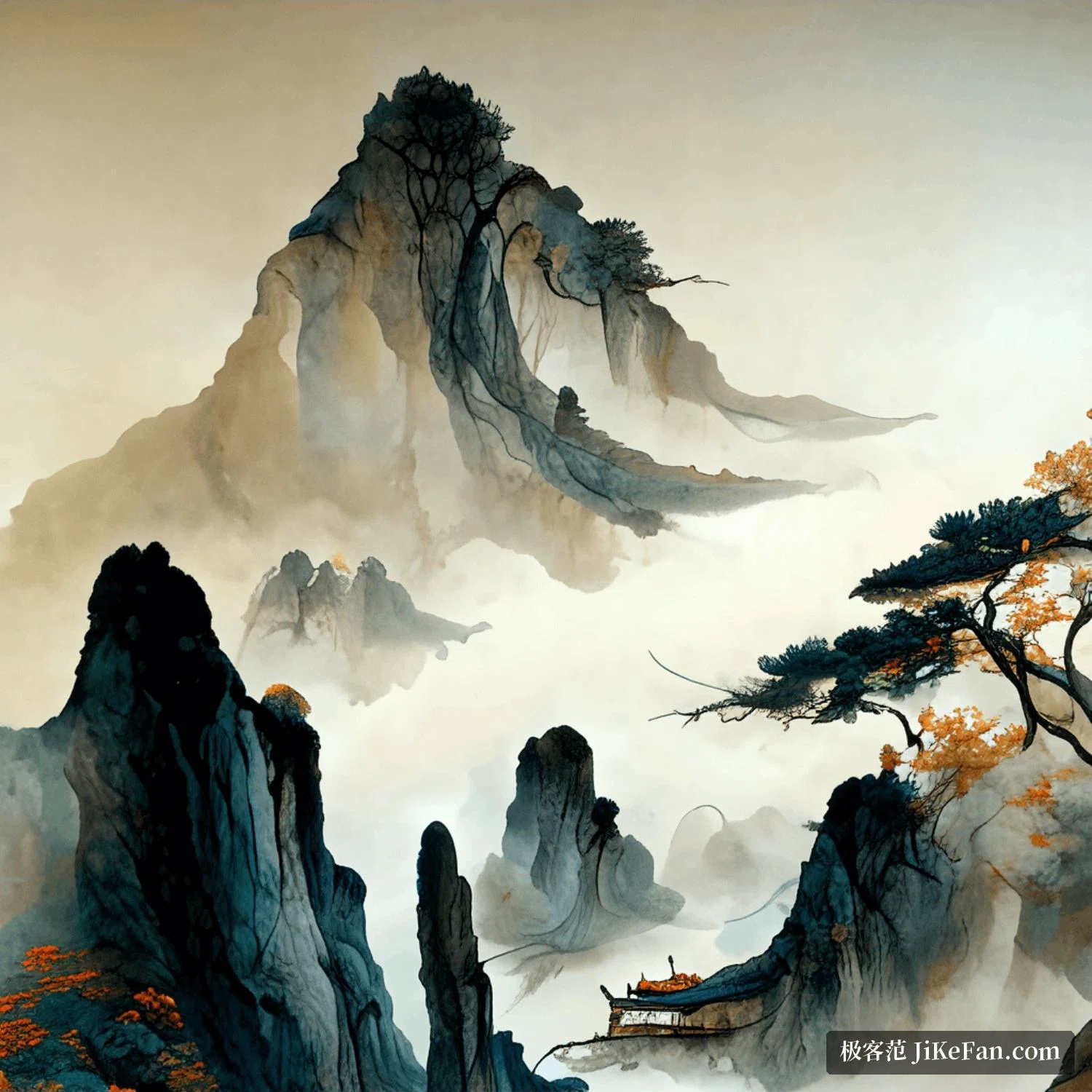
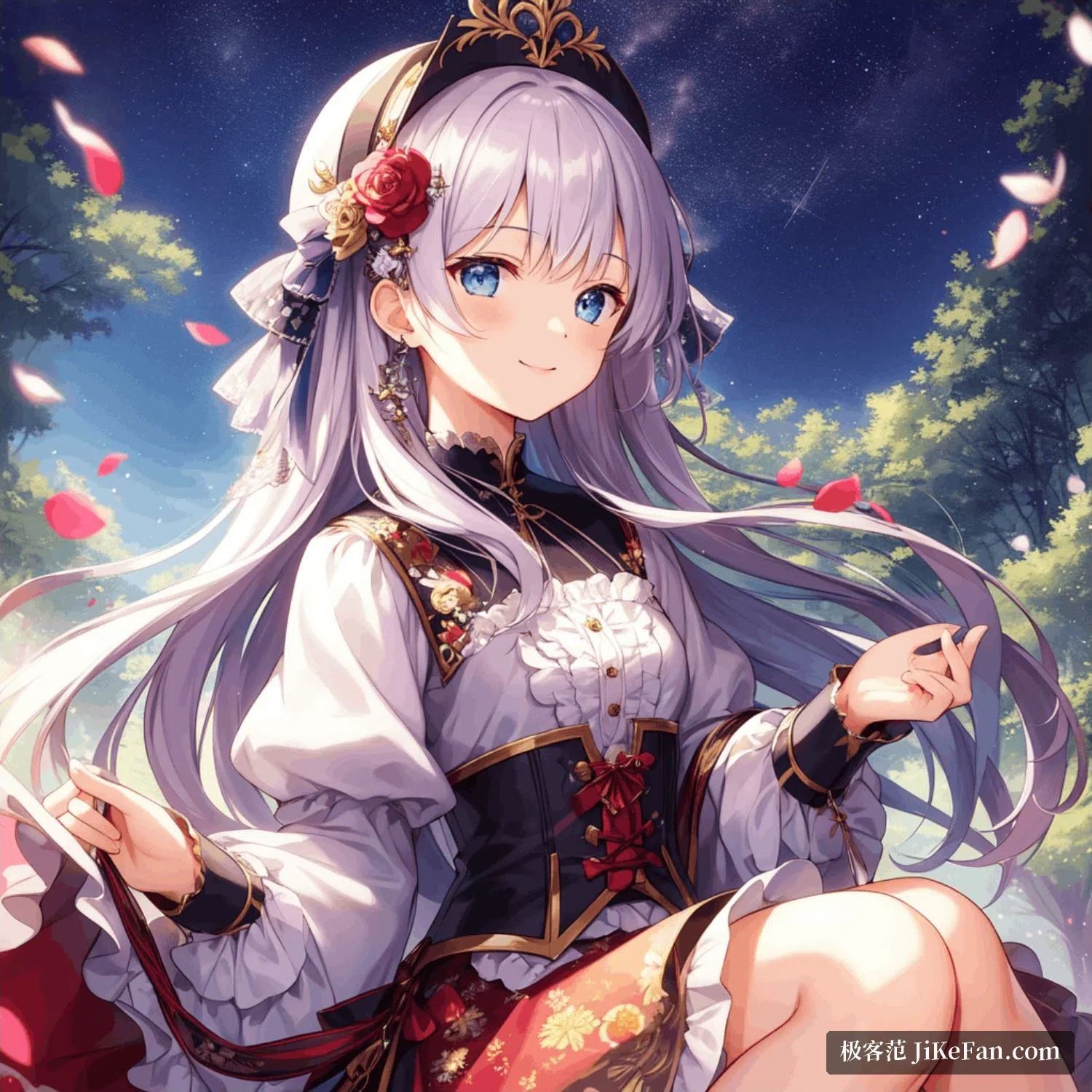
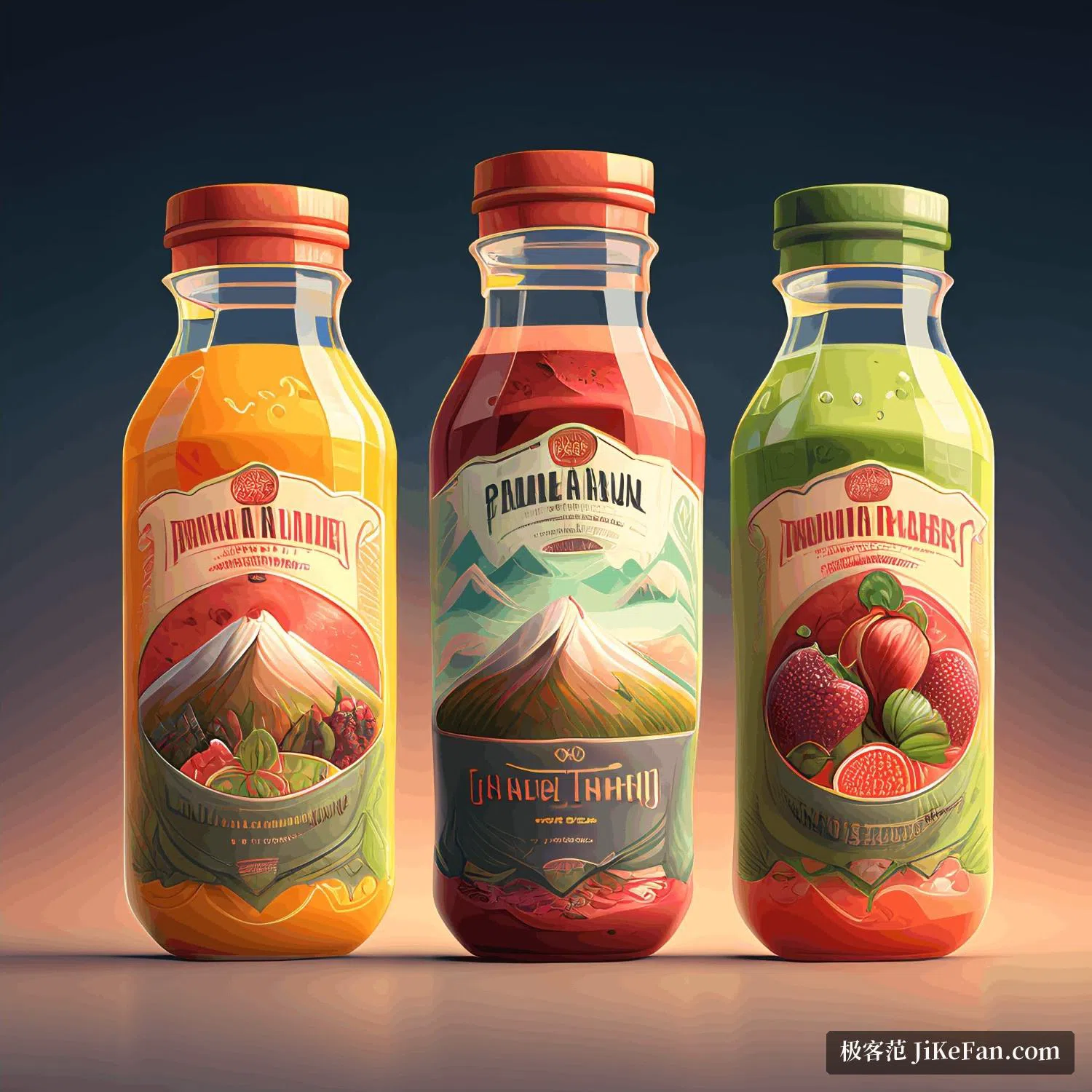
The basic use is text straight to image. The published samples run across Chinese art, animation design, commerce design, game production, industrial design, stock material, illustration and marketing, and the stylistic range is wide: ink-wash landscape on one side, anime characters and commercial product shots on the other. For a team that needs a national style, or needs a whole series of assets to hold one look, that range decides how many situations the service can cover.
A reference to carry the look
Beyond plain text there is reference-based generation: upload a reference picture together with a description, and the model carries the style and composition of the reference onto the new frame. In the official example, a photograph of a person and a robot at laptops inside a cabin, once redrawn, comes back as an anime frame with the same composition. That is what a series needs — give one key visual that sets the tone, and the next few dozen images can follow the same look instead of describing the style from scratch each time.
Change the sentence, change the picture
The advanced edition supports text-driven editing of an image, and it can be done over several rounds. The official example is a clean comparison: the same lakeside sunset, with only the description adjusted, gains a bonfire in the frame. Fine adjustment therefore does not require rewriting a whole prompt — change one sentence, generate again. Anyone polishing a single picture through many passes saves real time there.
Two calls for one picture
The API documentation describes two endpoints: submit a request, then query the result. The submission takes text, resolution, count and reference images, creates a task and returns a task identifier; the query endpoint reports progress, and once the images are ready it hands back their addresses. On parameters, the advanced edition offers two model versions and nine image sizes, with up to eight images per request. That submit-and-poll pattern suits batch work: send several off at once, then collect by task.
A knowledge-augmented model at twenty-four billion parameters
The technical route is summarised as a knowledge-augmented diffusion model: language, visual and cross-modal knowledge are folded into the learning process so that generated images hold together better semantically, at a parameter count of twenty-four billion. One further detail is prompt learning grounded in knowledge — the model expands a short prompt into a fuller description covering style, composition and visual elements. For people who do not write prompts well, that expansion lowers the entry barrier considerably.
Where it lands
The listed applications are broad: national-style illustration, animation design, game production, commerce design, illustration, marketing, stock material and industrial design. The typical ones are commerce and marketing — product shots, festival posters, social images, the high-volume material that also has to hold one style, which is exactly what an interface producing in batches is for.
Cost and boundaries
Billing runs on points. The published resource table puts a basic size at two points per image under the first model version and three under the second, and an advanced size at four and six. Larger packages lower the unit price, with the two-hundred-thousand-point tier working out at roughly fourteen fen per point, and the default concurrency after payment is two streams. Two cautions: prices and promotions move, so check the live quote in the console before committing; and generative models are stochastic, so accuracy and safety of output cannot be fully guaranteed — a small batch test before integration is worth the time. If Chinese characters have to appear in the frame, verify the rendering accuracy first.
To sum up: this is not another picture website. It turns the Wenxin Yige engine into a callable service, with text to image, reference-based generation and text-driven editing all available, billed by the point, up to eight images per call, and aimed at teams that need batches of images inside their own systems.