
-
FBReader 3.8.32 hands the e ink screen to a separate app called DinoReader
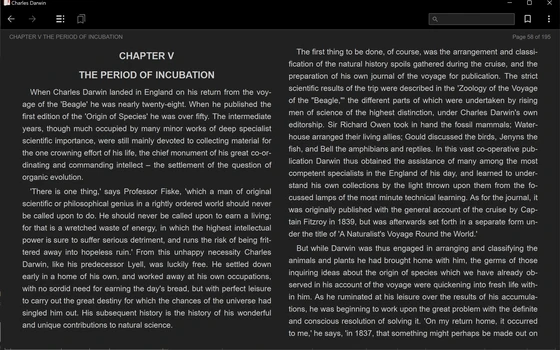
FBReader shipped 3.8.32 on 3 August, improving Android 16 support and adding page turn animations tuned for e ink. DinoReader, rebuilt for e ink panels, appeared the following month and costs nothing.
-
Anki: open source spaced repetition cards with FSRS built in
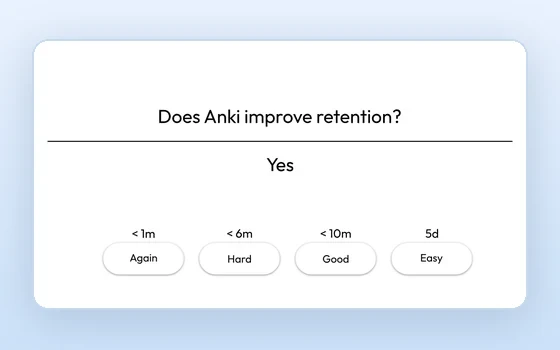
Anki is an open source flashcard program for spaced repetition that hands the timing of reviews to the FSRS scheduler built into it, and includes a free service for syncing between devices. It suits learners who need to hold a large mass of small facts over the long run.
-
Quizlet: a free flashcard platform with study modes and classroom games
A study platform built around flashcards. You can create or find card sets, drill them with flip, test and match modes, and turn notes or PDFs into study guides, cards and practice tests. It runs in a browser and on phones, and the library is built by teachers and students together.
-
Zotero 10.0.6: an open reference manager that captures from the page you are reading
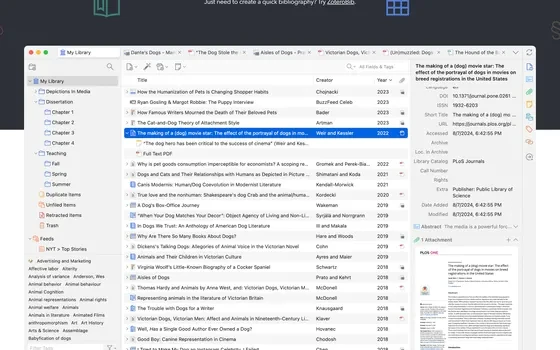
An open source tool for collecting, organising, annotating, citing and sharing research material. It reads citation data off a web page in one click, inserts citations while you write and rebuilds the bibliography, and keeps PDF annotations tied to the item. Version 10.0.6, AGPL.
-
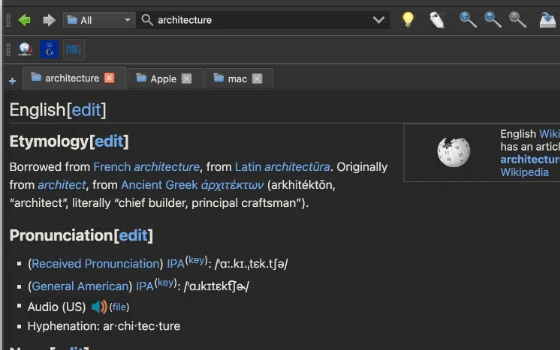
GoldenDict-ng: every dictionary answering one lookup at once
Learners collect dictionaries the way other people collect records, and then look words up one book at a time. GoldenDict-ng loads the whole shelf and shows every answer for a single query on one screen.
-
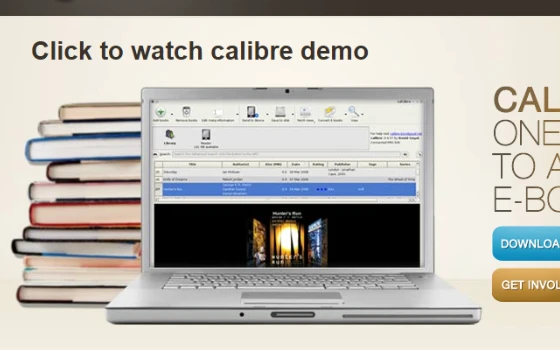
Calibre: the housekeeper for a library that outgrew a folder
A few hundred ebooks scattered across a download folder, with mismatched names and formats, is where management stops being optional. Calibre reads metadata on import, fills in covers and series, and converts between formats almost freely.
-
Baicizhan review: learning words through pictures
Baicizhan gives every word a scene to hang on: a still from a series, an example sentence, four different review exercises and a schedule counted backwards from the exam date. Core features are free and progress syncs across devices.

-
Duolingo: five minutes a lesson, and the habit does the rest
Duolingo breaks language study into lessons of a few minutes, with instant feedback, a streak counter and a leaderboard. More than forty languages, the whole course free to use, progress synced between web and phone, and conversation practice on the paid tier.

-
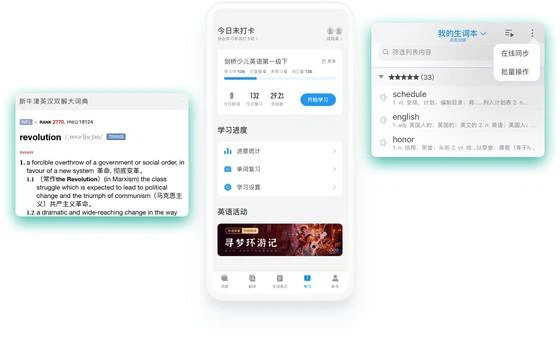
Eudic: Building Your Own Stack of Dictionaries
Eudic is a dictionary tool for Windows, macOS and mobile that lets you import third-party dictionary files and see several dictionaries side by side for one word. It adds selection lookup while reading, a vocabulary book that syncs across devices, and a separate paid tier for its writing features.
-
KOReader: a reader you put on an e-ink device yourself, and scans that reflow
An open source reading application that puts its own interface onto several popular e-ink readers and onto Android and Linux. Reflow of scanned PDFs, dictionary lookup, export of annotations and progress that follows the reader between devices are all present, under the AGPL with the source open.
-
Khan Academy: a free curriculum from preschool to university, without a single advertisement
A non-profit learning service that costs nothing to use. Courses run from preschool numeracy to early university mathematics, science, grammar, history and financial literacy, with practice built around mastery and dashboards for parents and teachers. More than fifty languages, no advertising.

-
Forest charges focus time with a tree that withers when you leave
An app that logs focus sessions by growing a tree, which withers if you switch away to the phone. The timer, the app blocking and the group sessions all sit in the free tier; the subscription adds soundscapes and deeper statistics.
-
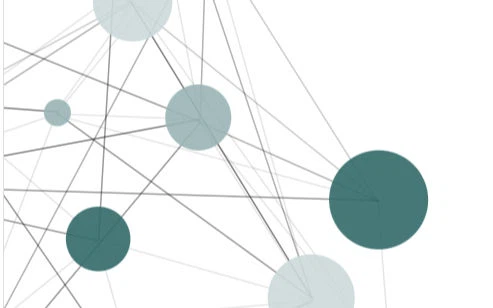
Connected Papers maps a field instead of handing you a list
Give Connected Papers a DOI, an arXiv link or a paper title and it screens roughly 50000 papers to draw a graph of the several dozen closest ones, laid out by similarity rather than by citation. The free tier builds 5 graphs a month with every feature included.
-
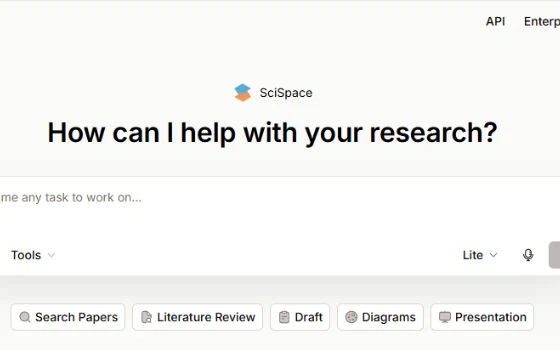
SciSpace aims to cover the whole research loop, from finding papers to drafting
One prompt box asks how it can help with your research, five starters sit beneath it, and behind them a chain of tools: search in three depths, a review with a published benchmark, chat over a PDF, drafting, diagrams, citations and a detector.
-
Consensus puts a dial on the literature, so you can see how divided the evidence is
Ask a yes-or-no research question and a meter shows how far the published evidence agrees. Deep search builds the strategy for you: expanding keywords, hunting opposing claims, walking the citation graph across 220 million peer-reviewed papers.
-
第 1 / 2 页