
IINA on macOS: a player that opens almost any file
Summary
IINA wraps the mpv engine in a native macOS interface, so awkward containers and high bitrate 4K files open without codec packs while dark mode, picture in picture and trackpad gestures still work as expected.
Recommend- Name
- IINA
- Version
- 1.4.4
- Pricing
- Free
- Open source
- Open source
- Operating system
- macOS
- Website
- https://iina.io/
- Updated
- 2026-10-06 18:27
On a Mac, the player is usually the first thing worth replacing
QuickTime plays what Apple decided it should play, and stops there. VLC opens nearly everything, but its window has looked the same for a decade and never quite belongs on the desktop it sits in. Between those two stools sits a large group of Mac owners who want odd containers to open and still want the player to feel like a part of the system. IINA is where most of them end up.
The project is written in Swift, published under GPLv3, and runs on the mpv engine. The interesting part is the packaging. Everything mpv can do through a configuration file is instead exposed through ordinary macOS controls, so the muscle stays and the text editing goes away. The current stable build is 1.4.4, shipped in 2026-06, with native binaries for both Apple Silicon and Intel machines.
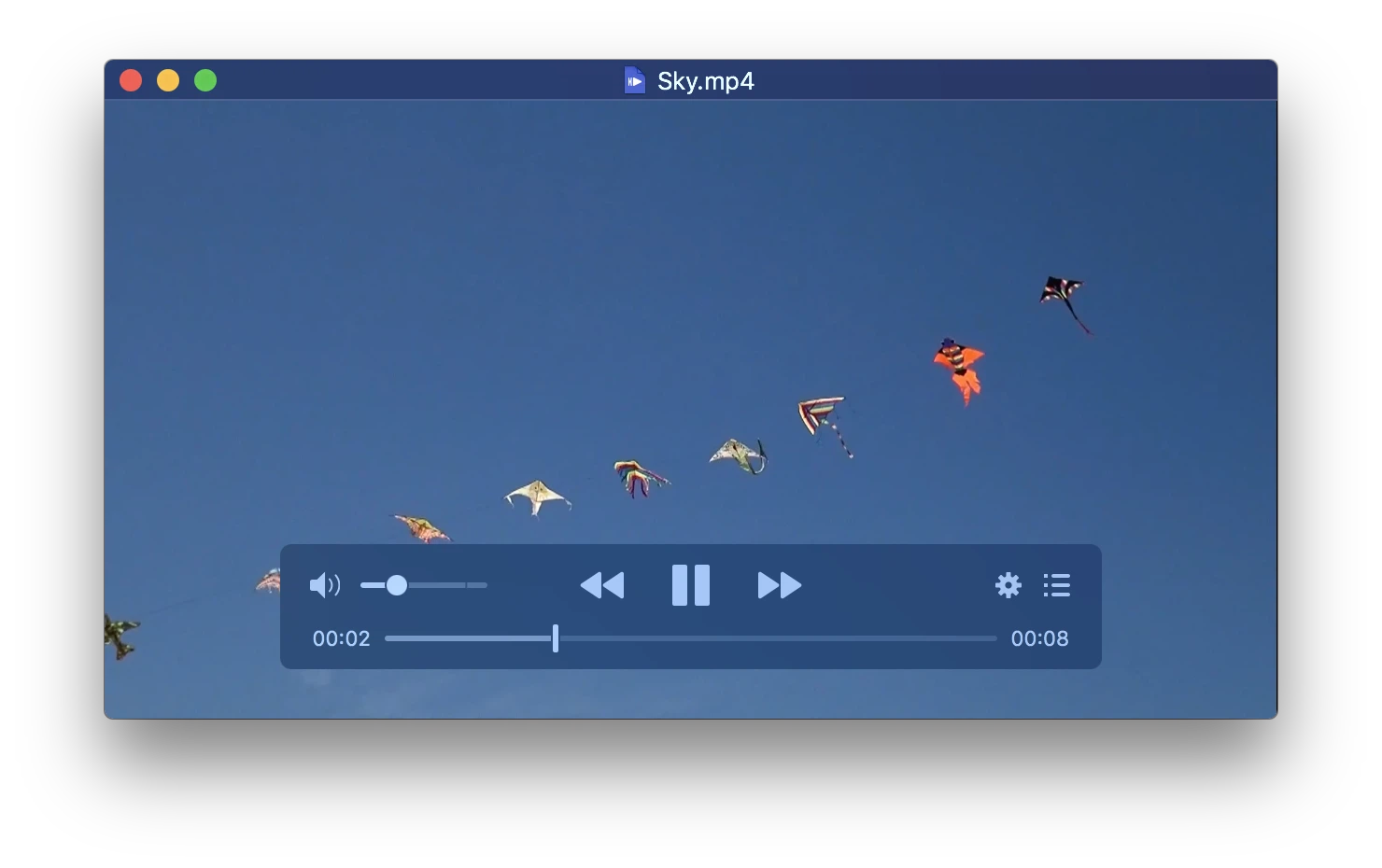
It opens everything, and it opens it gracefully
Under the hood mpv reads almost every container and codec in circulation. An MKV file opens. An HEVC encode opens. A 4K stream at a high bitrate opens, and none of them ask for a codec pack, a helper install or a restart. Subtitles can be searched from inside the player, and a browser extension hands over streams from video sites, so local files and web content share one window instead of two applications.
The surface is where IINA separates itself from the command line tool it wraps. Dark mode colors are chosen rather than mechanically inverted. Picture in picture floats above other windows while you keep working. The Touch Bar becomes a scrub control on machines that still have one, trackpad gestures handle volume and position, and the timeline previews frames as you drag, so you land on the right second instead of hunting for it. Music Mode turns a video file into a small audio player parked in a corner of the screen.
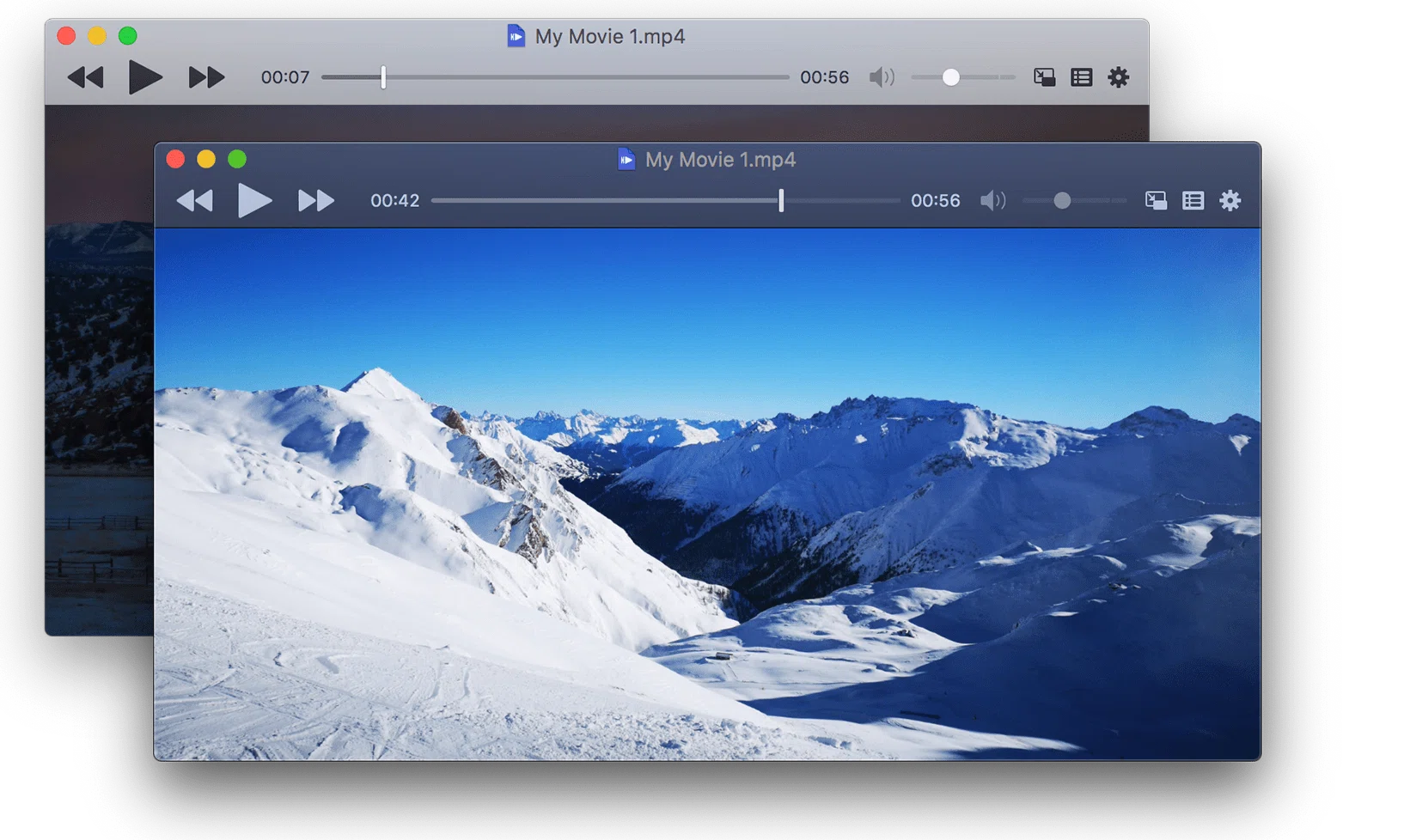
There is a practical argument underneath all of this. The usual way people patch format support is a codec pack or a third party decoder, and that is also the usual way a machine picks up strange behavior in the months that follow. A player that decodes inside its own process, with a small engine that can be audited, keeps that patching out of the rest of the system. A plugin system then keeps the ceiling open for the formats and sites that show up later.
The long game of an open source project
The code sits on GitHub under GPLv3 and has been translated into more than twenty languages by volunteers. Releases arrive on a rhythm that has held for years: the work from the 1.3 branch to the 1.4 branch was mostly performance and compatibility rather than new buttons, and a 1.5 overhaul is in progress.
What IINA does not do is chase other platforms. No Windows build, no Linux build, no attempt to be everything to everyone. That restraint is the whole point. It behaves like a component Apple forgot to ship, while its capability ceiling sits above anything else on the platform. A new Mac owner tends to install it in the first week; someone who has been living with an unsupported file for years only needs ten minutes to stop.
IINA makes the case for platform specialization: fewer targets, deeper integration, and three parts that fit together, namely native design, the mpv engine and an open source community that keeps shipping.