
Vidu splits sound and realtime into two lines, and Q3 emits four tracks at once
Summary
Dialogue, narration, effects and music leave in the same export as the picture, so a scene no longer needs a silent render followed by dubbing. A second line handles the live side, where an avatar talks back and scenery swaps without stopping the stream.
Recommend- Name
- Vidu
- Version
- 20260916
- Pricing
- Free
- Open source
- Proprietary
- Operating system
- WindowsmacOSiOSAndroid
- Website
- https://www.vidu.com/
- Updated
- 2026-10-06 16:30
Vidu comes from Shengshu Technology and splits cleanly in two: a Q line of video models and an S line built around realtime. The home page leads with a pair of claims — 16 seconds of picture and sound arriving together, and live interaction. The first belongs to Vidu Q3, the second to Vidu S2.
Q3 is written for drama, and sound leaves with the picture
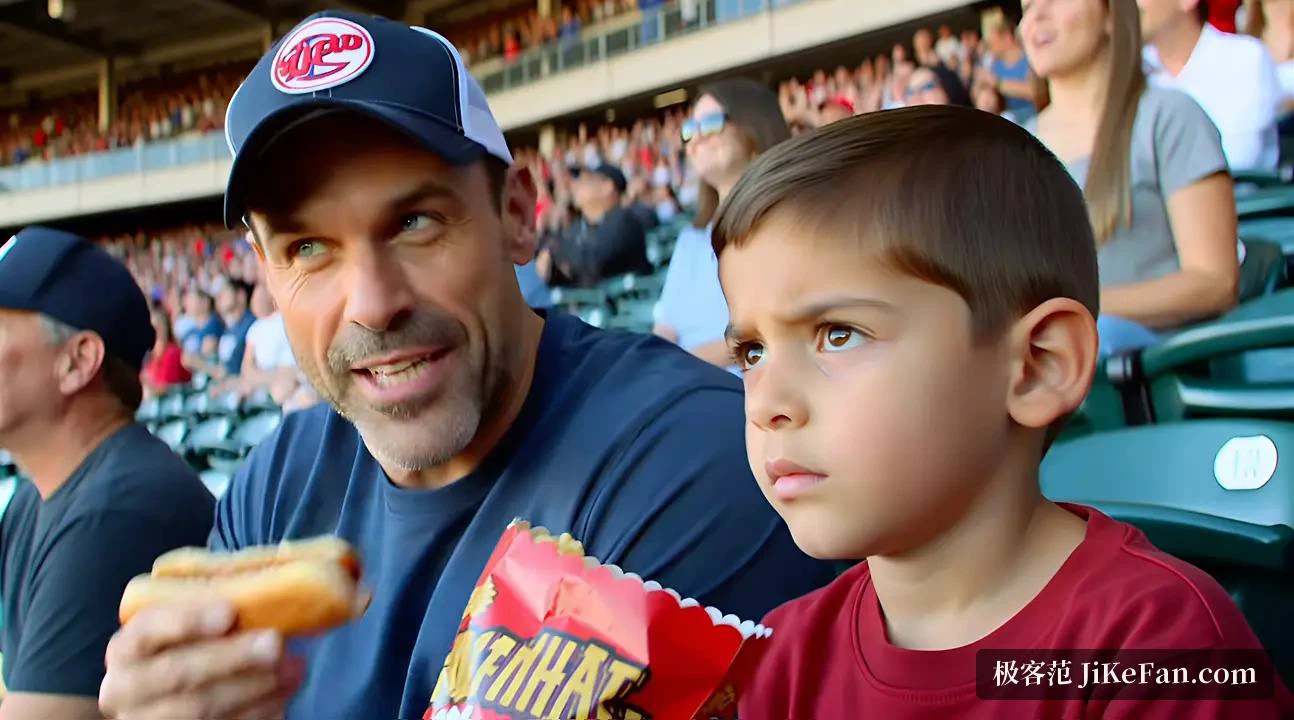
The Q3 page titles itself as an AI video model with native audio support. The headline says it is made for drama, the subhead promises a complete scene in one pass, and the explanation of direct output is concrete: audio and picture leave together, with four kinds of track — dialogue, narration, sound effects and music — generated in the same run. A finished scene therefore lands cleanly in one export instead of going through the older routine of rendering silence and dubbing afterwards.
16 seconds in one pass, three spoken languages
Duration is the second hard number: a single generation returns a full 16 second clip. The page's reasoning is that nothing has to be spliced, so the rhythm does not break and the story keeps moving, and the FAQ answers the same way — 16 seconds at most per run. On language, the multilingual row names English, Japanese and Chinese output.
Taken together, Q3 is aimed at one problem: keeping sound, lip movement and language aligned inside a short narrative unit. A separate highlight covers multi-person dialogue, so several characters can speak naturally within the same shot rather than being handled one at a time.
For animated drama, short series and cinematic shots
Another highlight claims professional readiness, meaning the model is designed for narrative work such as animated drama, film and short series. The FAQ describes the audience as creators and teams needing continuous storytelling and precise timing — plot-driven animation, cinematic shots, short drama, narrative advertising. Shot control works at frame level, with camera language and pacing specifiable down to individual narrative beats, which pushes the job closer to directing than to rendering. The home page widens the scope: animation or live action, advertising or short film, all inside the same 16 second envelope of picture plus sound.
S2 splits realtime interaction from realtime editing
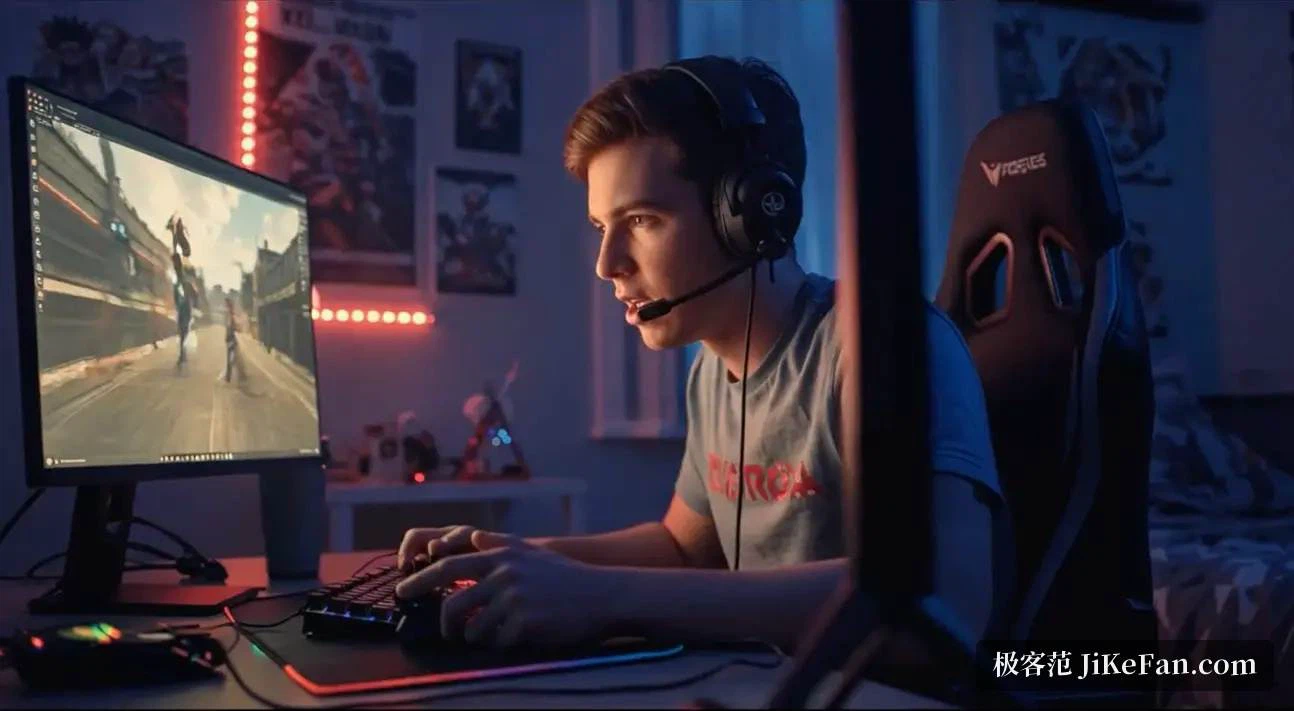
The S line thinks differently: generate and output at the same time. Under S2 sit two products. S2-Avatar is the interactive model, taking live speech and complex motion control, working with reference images for object interaction, wardrobe changes and background swaps, and rendering the digital human at 720P+ — up from 480P on the previous S1, which also gains enough instruction following that a spoken command can set the avatar dancing. S2-Editing is the streaming editor, and all four of its abilities lean on a reference image: render a style, replace a character, replace an environment, or dress a subject in new outfits. Being stream-based, it keeps taking video in and pushing results out, so swapping a reference or a scene mid-session does not interrupt the output. Input can come from a camera, a video file or a still.

Where realtime is not needed, S2 also offers an asynchronous route: one character image plus one audio clip produces a talking video whose lips and motion follow the track — the offline digital human the page mentions.
API and billing on a single credit currency
The open platform sorts models into three families: the realtime S2, the video Q series and image generation. The video row calls Q the flagship line — long duration, high consistency, large motion — covering text-to-video, image-to-video and reference-to-video. The image row states that text-to-image and reference-to-image reach 4K output and accept several references at once. S2 is delivered through a MaaS platform that lays out three steps: register and create an API key, send a first request, then poll the job and collect the video address.
Billing runs on credits, and one pack is aimed squarely at S2: a limited-time 350 yuan bundle, down from a list price of 500, holding 16000 credits, 5 concurrent jobs and 12 months of validity, which the vendor estimates covers about 177 minutes of live interaction. A 500 yuan starter pack holds the same 16000 credits and covers video, audio and image tasks alike. Credits come in three kinds: subscription credits granted with a plan and valid 30 days, purchased credits bought on demand, and reward credits from campaigns, the last two valid 2 years. Two rules stand out — buying credits is open to paying users only, and subscription credits are consumed before purchased ones.
Boundaries
16 seconds is the ceiling for a single run and also the narrative unit the vendor promotes; longer work needs several segments or a later extension capability. Realtime leans on network and concurrency, and the pack states 5 concurrent jobs, so a team scaling up has to plan for that number. Prices and campaigns move, and the 350 tier is a limited offer, so a purchase decision should rest on the platform's current rate plus an estimate of credit burn. Generated material still has to clear platform rules and local law, and commercial use is worth checking against the licence for source material and for any likeness involved.
Summed up: this round makes sound one line of the product and realtime another. Q3 puts picture, dialogue, narration, effects and music into a single generation, 16 seconds at a time in three languages. S2 turns the digital human into a stream that can hold a conversation or change clothes and scenery live. A credit-priced open platform sits underneath, so creation and integration each get their own path.