
Rocket Money review: the free tier finds your subscriptions, negotiation trims the bills
Summary
A finance app that scans linked accounts for recurring charges, cancels what you no longer want, negotiates household bills and charges a share of the savings only, with a free tier for tracking and insights.
Recommend- Name
- Rocket Money
- Version
- 13.6
- Open source
- Proprietary
- Website
- https://www.rocketmoney.com
- Updated
- 2026-10-06 07:14
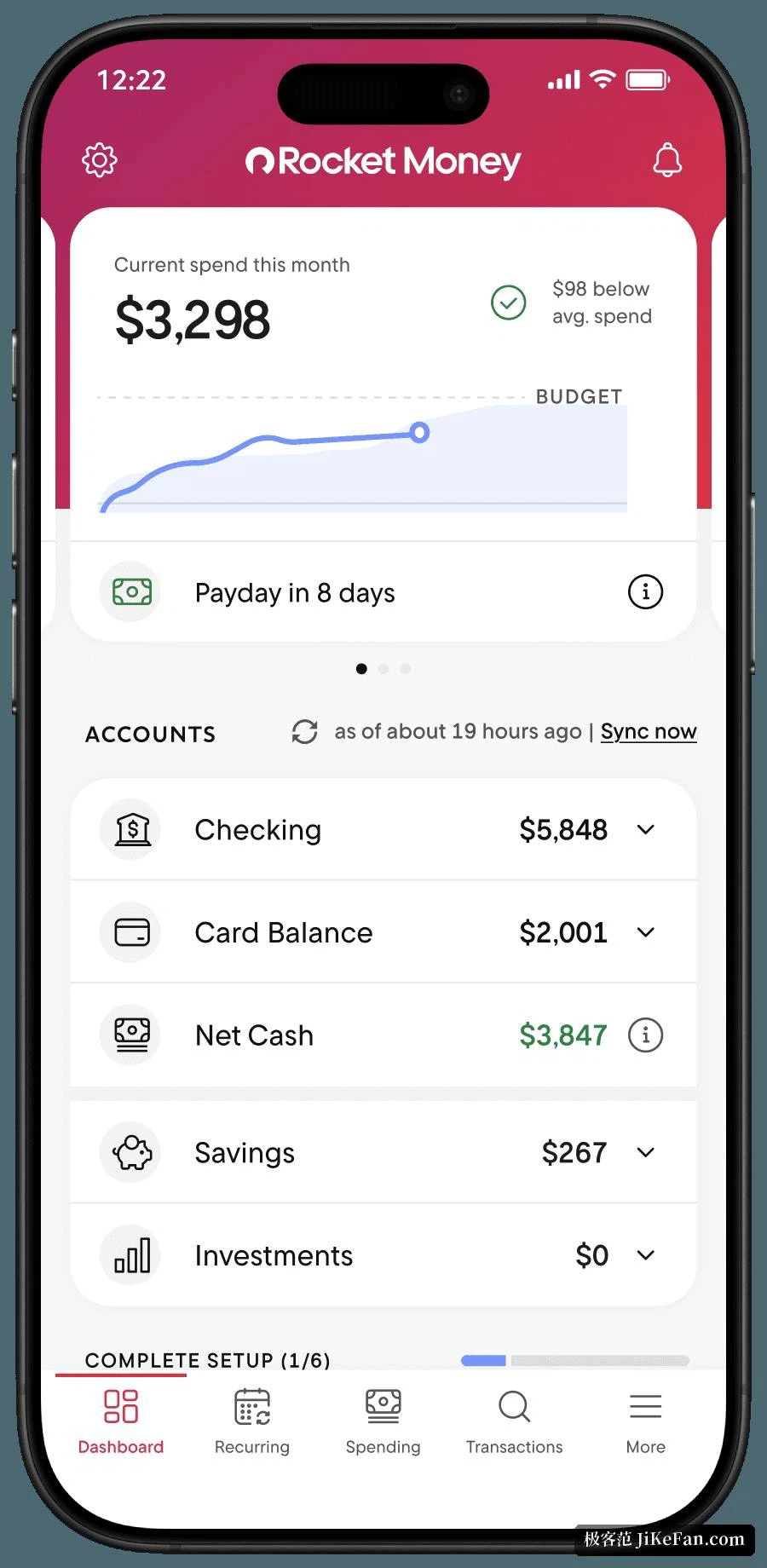
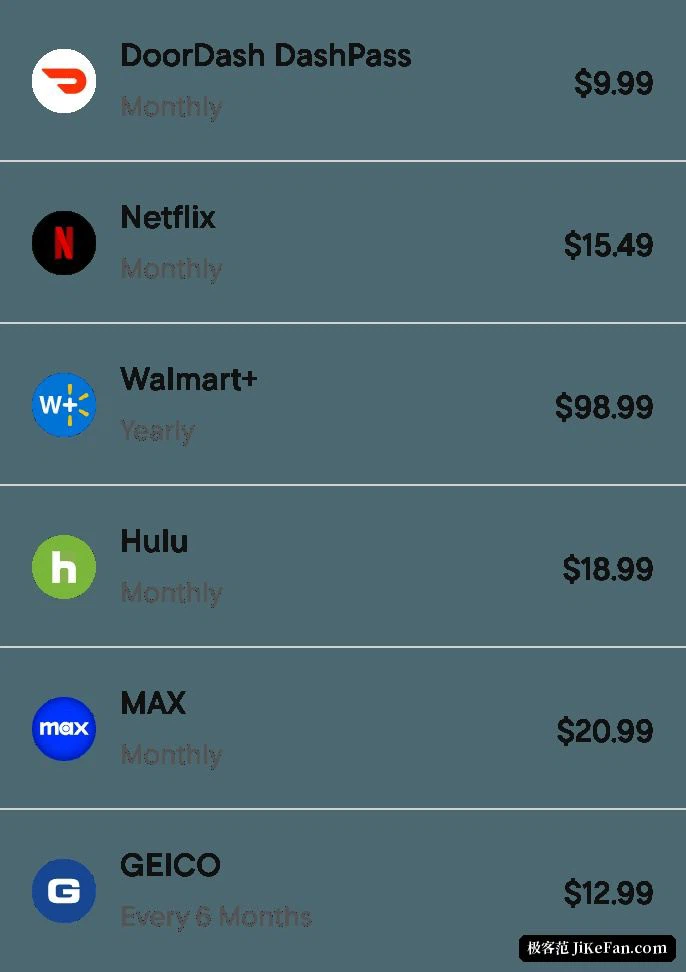
Subscriptions rarely announce themselves. A streaming plan, a storage tier, a fitness app, a delivery membership: each was reasonable on the day it was bought, and each keeps billing in the background long after the reason has faded. Rocket Money, which was called Truebill before the rename, is a personal finance application whose main job is to make those charges visible. Connect the accounts and it scans for anything that repeats, assembles the result into a single list, and works out what the collection costs per month and per year.
The free tier is enough to start: subscription tracking, spending insights and balance alerts, at no cost for an individual. A paid tier exists for people who want the tedious parts handled, and its price is chosen by the subscriber inside a range rather than fixed by a table. As of 2026-09 the service reports more than 10 million registered members and ships updates often.
Finding the recurring charges, then ending them
The scanning is the core of the product. Once accounts are linked, the algorithm sorts every periodic debit into a subscription panel: video memberships, cloud storage, fitness apps, delivery services. Anything signed up for years ago and forgotten reappears here, with the monthly and annual totals visible in one place. Most subscriptions can then be cancelled from inside the application. For the ones with deliberately tedious cancellation flows, paid members can hand the whole task over and let a specialist deal with it.
There is also a reminder for a free trial that is about to convert, which is the exact moment a trial quietly becomes a year of charges.
The bill negotiation, where the fee follows the result
Subscriptions are only one line of the outgoings. Bills are the other. Rocket Money offers a negotiation service: a specialist reads recurring household bills such as internet, phone and insurance, judges whether a lower rate exists, and then talks to the provider on behalf of the member. The charge is a one-time share of whatever was saved, and it is only taken when something was actually saved. That structure lowers the cost of trying, because a failed attempt costs nothing.
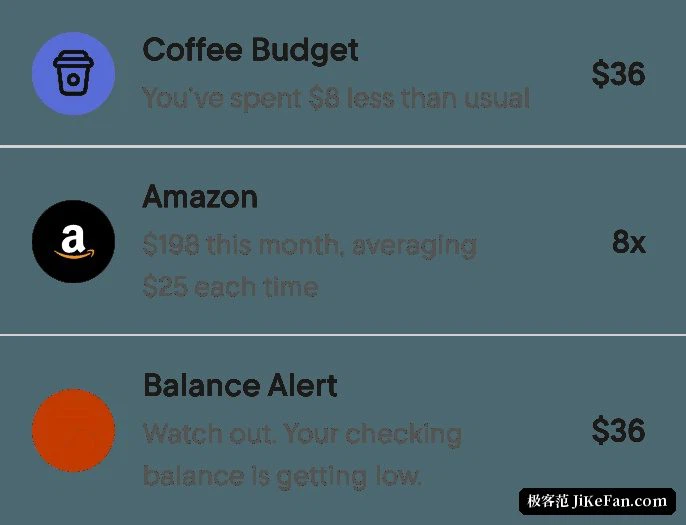
The application also watches the size of the bills themselves. When a service raises its price, a notice arrives, so the increase is not discovered months later.
Budgets, savings and the whole balance sheet
Managing money is not only about cutting. Spending tracking is on by default: every transaction on a linked account is categorised, the categories form a trend, and both the category that grew and the month that overspent are visible without a spreadsheet. Budgets can be set per category with automatic monitoring against the limit.
Around that sit several smaller pieces. Automatic savings moves small amounts at moments that suit the account habits rather than on a fixed date. Balance alerts warn when a current account drops under a chosen line, which reduces the odds of an overdraft. A credit score tracker keeps the number over time. And a net worth view puts assets and liabilities on the same page. The paid tier adds shared accounts, which is what makes the tool workable for two people running one household.
Free, paid, and the limits worth saying out loud
The free tier covers discovery and tracking, the categorised view of spending, the balance alerts and a basic look at the credit score. It is the version for seeing the situation clearly before deciding anything. The paid tier, priced by the member inside a range, adds the specialist who handles cancellations, automatic savings, net worth tracking, shared accounts and the full credit report. Bill negotiation sits outside that split: both tiers can use it, and it is paid as a share of the savings, only after a success.
Two limits are worth stating plainly. Negotiation currently covers specific kinds of recurring household bills, and what can be negotiated differs between regions. Account linking depends on the connections a bank or card issuer offers, so a small local institution may not connect at all.
Who it suits
Three situations, roughly. Anyone whose subscription list has grown past memory and who wants the forgotten charges found. Anyone whose bills rise every year while the idea of calling to argue about it never quite becomes an evening plan. And anyone who wants spending, budgets, credit score and net worth in one place instead of four. Linking an account takes a few minutes, and the first subscription list is usually the part that changes behaviour.