
JEFIT Review: A Training Log That Turns Lifting Into Data
Summary
JEFIT records every set, every weight and every rep, then draws the curve for you. With a library of well over a thousand movements, ready made programs and cloud sync, it is the notebook that strength training always needed.
Recommend- Name
- JEFIT
- Version
- 20260923
- Pricing
- Free
- Open source
- Proprietary
- Operating system
- AndroidiOS
- Website
- https://www.jefit.com/
- Updated
- 2026-10-07 21:06
Training without a record is training on guesswork
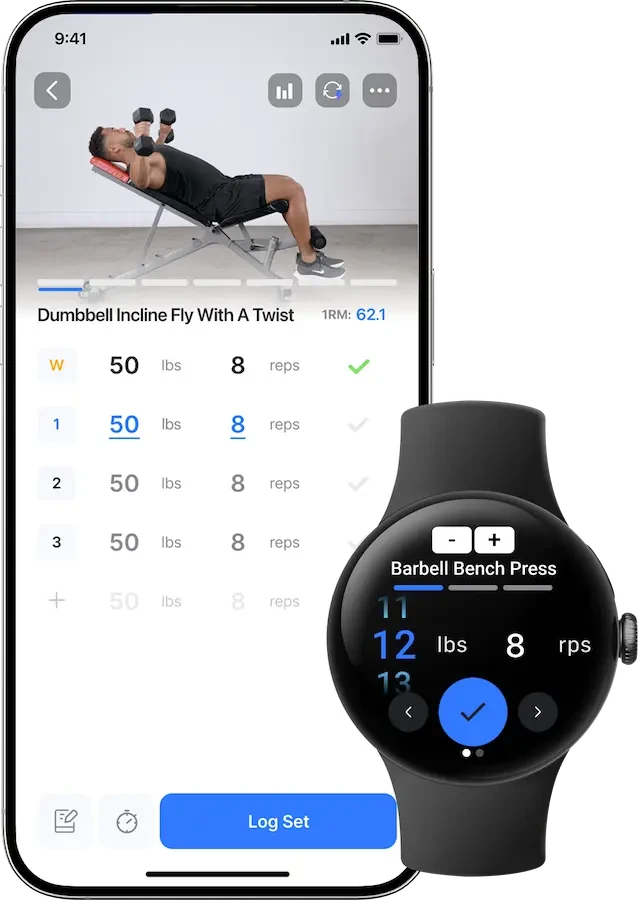
Progress in strength work follows a simple rule: lift a little more than last time and you have moved forward. The trouble is memory. Ask yourself how many sets of bench press you did last Tuesday, at what weight, and how many reps you managed on the final set. Most people cannot answer, which means the rule cannot be applied. JEFIT turns the session into a ledger. Each set is entered as it happens, weight and reps, and the movement itself is picked from a library of well over a thousand entries with written instructions. Gym machines and bodyweight movements both have their own records, so the same log covers a commercial gym and a living room floor.
What the numbers look like afterwards
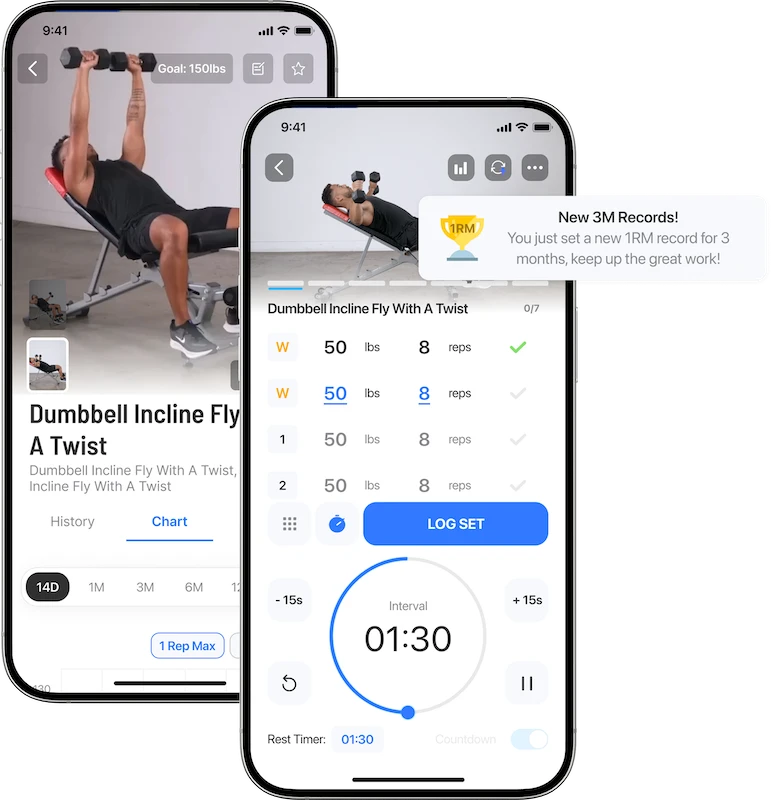
Once the session is saved, the app does the arithmetic nobody enjoys doing by hand. Strength curves per movement, total volume per muscle group, and a weekly load summary all appear as charts, which turns a vague feeling of progress into something you can check. Plateaus stop being mysterious: a flat line over six weeks is a fact, not a mood, and it points at sleep, food or programme design rather than at willpower.
The second half of the design is the programme. Beginners often do not know what to do on a given day, and a blank screen is the fastest way to lose them. JEFIT ships templates aimed at muscle gain, fat loss and pure strength, each with a weekly structure, exercise order and rest days already arranged. Following one is a matter of opening it and starting. The data side is equally unglamorous and equally important: the log syncs to an account, so a new phone inherits years of history instead of starting from zero, and a rest timer sits between sets so that the pause is measured rather than estimated.

Reading the charts is a skill in itself, and it is worth stating plainly what they can and cannot show. A rising line in one movement is not proof that the whole body is getting stronger; a flat line is not proof of a wasted month. Volume landing on a single muscle group while another sits at zero usually means the programme has drifted toward whatever is convenient rather than whatever is balanced. Used this way the log is less a scoreboard than a correction mechanism, and corrections are what produce the slow, unphotogenic gains that still hold a year later.
JEFIT is built on a belief about how muscle actually arrives: it grows in the sessions, but the progress hides in the records. The thicker the ledger, the clearer the answer to the only question that matters, how much more weight next time.
Where it asks something of you
Nothing here works without the boring part. Entering sets during a session is friction, and the honest advice is to keep the entries minimal rather than skip them: weight, reps and nothing else is enough for the charts to work. Picking the right library entry matters too, since a machine press and a free weight press produce different numbers and mixing them ruins the curve; a quick look at the written instruction before the first set settles it.
Novices can run the whole thing without paying, because the core logging, the library and the programmes are all in the free tier, with deeper analysis sold separately for people who have outgrown the basics. Both mobile systems are covered. Give it three months of consistent entries and the review screen becomes genuinely useful, a record of what worked, what stalled, and what to change. That is a better return than most fitness purchases deliver.