
Houdini turns every operation into a node in a procedural 3D system
Summary
A node-based procedural 3D package from SideFX, where modelling, animation and simulation are built by wiring nodes into networks and a parameter change can be traced back at any time. A discounted licence for independent artists and a free learning edition cover the range from study to production.
Recommend- Name
- Houdini
- Version
- 22
- Pricing
- Paid
- Open source
- Proprietary
- Operating system
- WindowsmacOSLinux
- Website
- https://www.sidefx.com/
- Updated
- 2026-10-13 10:54
The hard part of an effect is not doing it once, but doing the same thing forty times over.
Every action lands as a node
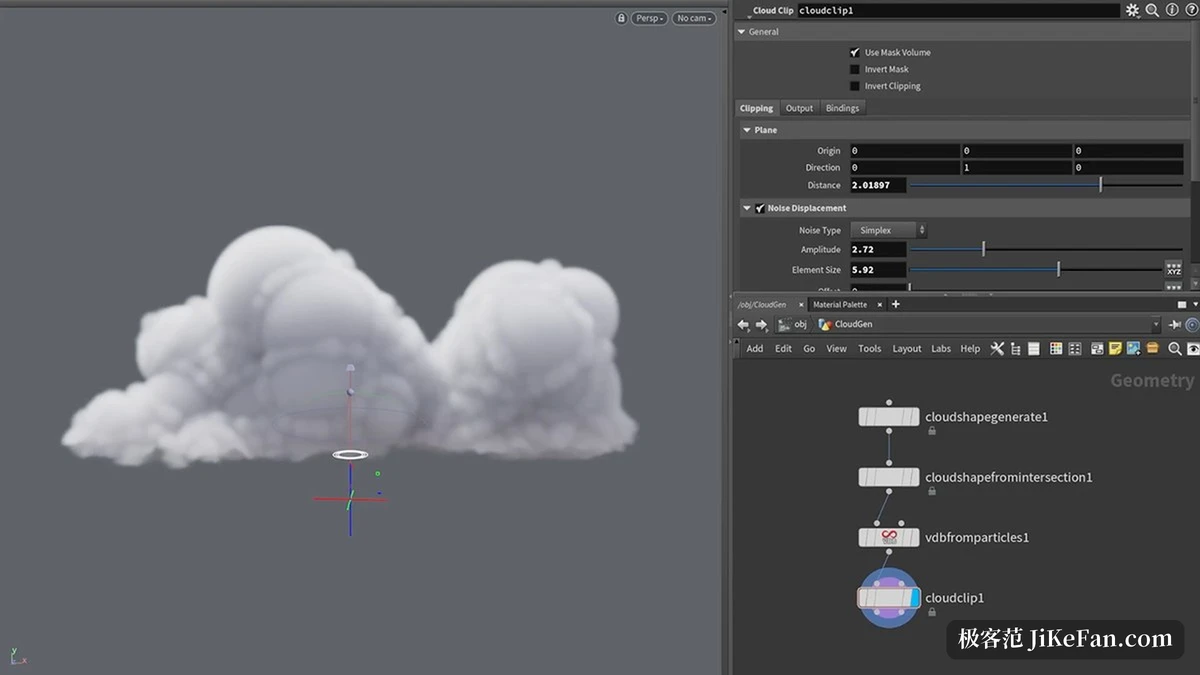
The positioning is spelled out on the product page: a system built procedurally from the ground up, so that an artist can push forward freely, produce several iterations quickly and hand a workflow to a colleague. What that becomes on screen is the node.
The official explanation says that in Houdini each operation is stored as a node, the nodes are then wired into networks, and a network defines a recipe that can be adjusted again and again while different directions are explored. That sentence marks the difference from a traditional modelling tool. An operation is not recorded as an invisible history but laid out as a graph that can be read and altered one piece at a time, which changes who can touch it and when.
The effect on daily work is direct. A client asks for a smaller wave, so you return to the node that controls the wave and change a single parameter, and the shading and lighting built further down are untouched. To make a series of shots with similar style and different detail, the network runs again with other values instead of the whole thing being rebuilt. Over a week of notes, that difference is the difference between an afternoon and a redo.
Houdini 22 and the platform requirements
The current major version is Houdini 22. The journal page keeps builds grouped by major version, and the newest entry under 22 is 22.0.468, dated 9 October 2026; the same page also carries later builds of the previous major version. That rhythm means fixes and small adjustments keep arriving after a major release settles, rather than stopping at the launch.
The notes on H22 mention speed-ups across the interface, modelling that is ready for production, and the character, modelling, look development, effects and world building stages. The interface work gets a section of its own in the feature list, and the theme and colours in the preferences can now be adjusted in finer detail.
Item | Official note |
|---|---|
Publisher | SideFX |
Current version | Houdini 22, newest daily build 22.0.468, 9 October 2026 |
Windows | 64-bit Windows 11 |
macOS | macOS 11 or newer, on a machine with an Apple chip |
Linux | several mainstream distributions |
Working model | operations stored as nodes, nodes wired into a network that defines a recipe |
How to pick a licence
The line between paid and free is drawn plainly on the store page. Houdini FX is the most complete commercial tier, at 4995 USD for a permanent single-machine licence or 3505 a year. Houdini Core is equally complete for modelling, lighting, rigging and animation, at 1995 permanent or 1475 a year.
Houdini Indie is aimed at people starting out, at 299 a year, and it includes every FX feature. The eligibility note says it is for creators earning under 100,000 USD a year, or receiving under a million in funding. Spread across twelve months it sits near the usual subscription creative tools, with the difference that it is bought once a year rather than rented by the month.
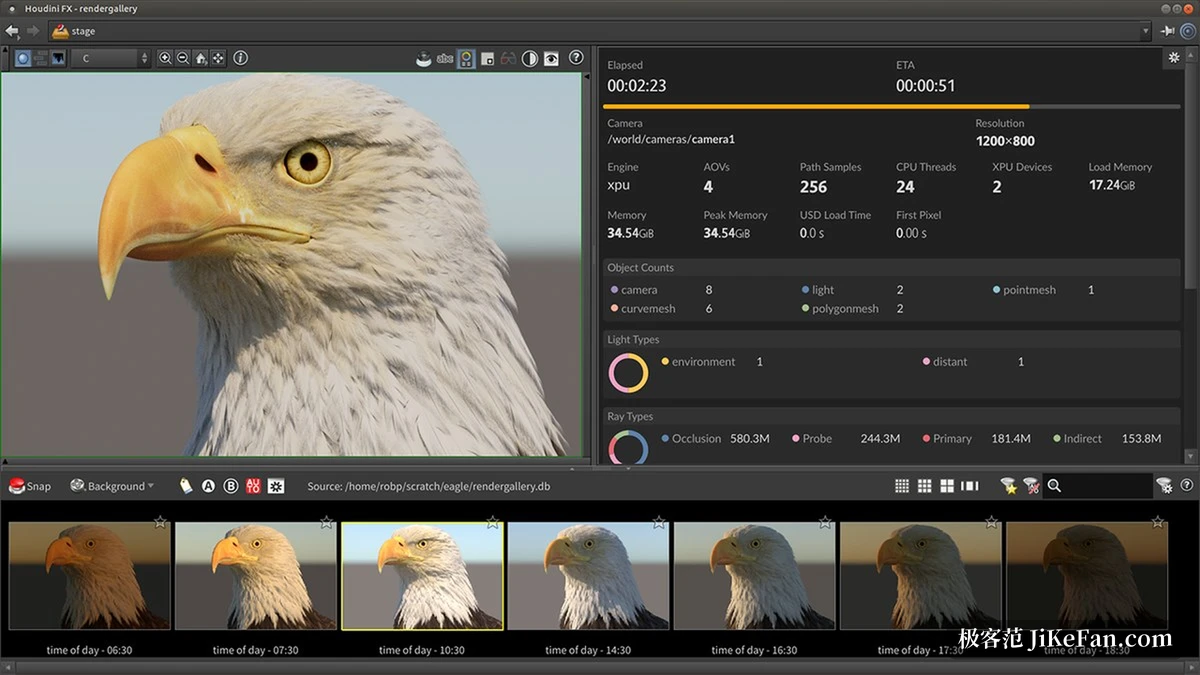
Houdini Education is a separate tier for students and schools at 95 a year. Only Houdini Apprentice is entirely free, described as being for students, creators and hobbyists on personal non-commercial projects, with a watermark on output. That limit deserves a careful read: it suits practice and study, and anything delivered to a client or entered for a competition needs the matching tier. On rendering, the notes say extra licences come with Core and FX and are available to Indie, Education and Apprentice as well.
Decide first whether the shot needs forty iterations or one finished image, then whether the procedural road earns its cost.
A practical order: learn the node thinking on Apprentice first; check the Indie income threshold before taking commercial work; and in long projects, fold the networks you keep rebuilding into your own templates, which pays better than any single trick.