
Adobe After Effects remains the shared language of motion
Summary
Most of the motion you see on television packaging, short video intros and product demos comes out of one application. Layers hold the content, keyframes describe the movement, expressions turn repetition into rules. The 26.5 update polishes performance, and a beta assistant now writes and repairs expressions for you.
Recommend- Name
- Adobe After Effects
- Version
- 26.5
- Pricing
- Paid
- Open source
- Proprietary
- Operating system
- WindowsmacOS
- Updated
- 2026-10-06 20:27
The shared language of motion design
A large share of the motion you see every day, on television packaging, on the opening seconds of short videos, inside product demos, comes out of the same application. Adobe After Effects breaks the vague instruction to make the picture move into a clear system. Layers organise the content, keyframes define the movement, expressions turn complicated motion into parameters that stay linked. Thirty years of iteration have made that workflow the industry standard. Tutorials, templates, scripts and plug ins are abundant, and when a studio hires a motion designer, knowing AE is close to a default requirement. It stopped being just a tool a long time ago. It is the shared language the trade argues in.
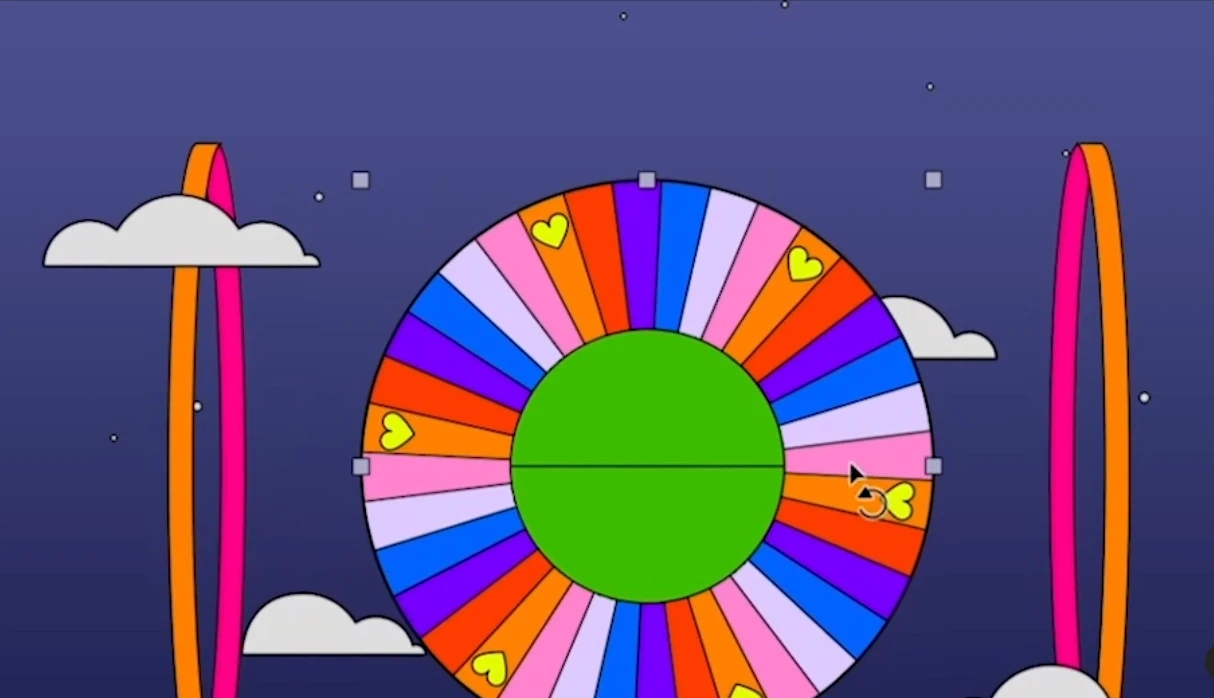
That position did not arrive from a feature checklist. It arrived from the way files get handed between people. A project built in this application opens with the same layer stack, the same keyframe logic and the same expression syntax in another studio across town, which is worth more than any single effect. Compatibility between freelancers, agencies and broadcasters is what turns software into infrastructure.
26.5 polishes the details and adds an assistant
The 26.5 update (2026-09) concentrates on performance and workflow detail rather than a new headline module. The object mask used by the smart rotoscoping tool now supports disk caching, so closing a project and reopening it no longer means recomputing the mask, and interaction responds more smoothly. Composition guides gained percentage based positioning and per guide colours, and the effect controls panel received a modernised layout. None of these will sell a licence on its own. Together they shorten the distance between an idea and a finished frame.
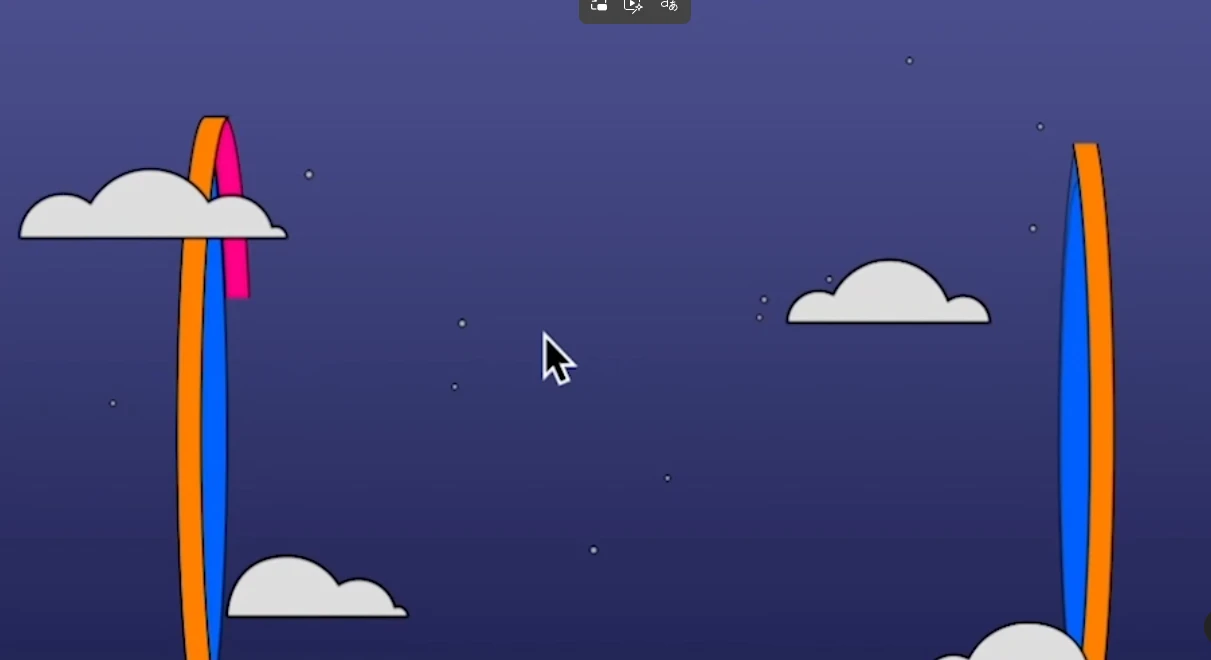
The beta assistant is the part people talk about. Describe a need in natural language and it can tidy the project structure, write and repair expressions, and inspect a composition for problems, compressing work that used to be counted in hours into a few minutes. It is worth being precise about the division of labour: automation absorbs the repetitive part, and the creative decision stays with the person who owns the brief.
Expressions deserve one more sentence, because they are the quiet reason professionals stay. A single line can make a camera drift with a soundtrack, or keep a dozen counters in sync, without a hundred hand placed keyframes that break the moment a client asks for a change. Learn them badly and they fight you; learn them properly and the project becomes editable months later.
There is a practical argument sitting beside the craft itself. Templates bought from a marketplace open as editable layers instead of flattened video, so a small team can deliver a whole broadcast package without building every element from zero. Scripts automate rendering queues, plug ins add tracking or film grain, and none of that would exist without a project format other people can read. This is the layer rivals have never managed to copy, however many individual features they match. Hiring works the same way: a portfolio is judged in minutes, then the question turns to whether the person can open the file and keep working. A tool that keeps handovers cheap wins more work than a tool with one impressive extra effect.
The moat is thirty years of accumulated workflow consensus. Generations of motion designers collaborate inside the same language. Tools age; ecosystems and consensus do not, and that is why the position has held for so long.
The cost of entry should be stated without varnish. It is a subscription billed monthly, with no perpetual buyout option, and the stable build has system requirements worth checking first. The learning curve is not steep, but mastery needs project mileage, and tutorials are easy to find at every level from first keyframe to advanced rigging.
For creators working in brand packaging, motion graphics and film compositing, the position is not going to be shaken in the near term. If the budget allows, it is still the first stop on a motion design career path, and the second thing an employer asks about after the showreel.