
TRAE Work CN: an AI workbench with a free tier, on web, desktop and phone
Summary
An AI-native workbench from ByteDance with three modes for office work, coding and design, one account across web, desktop and phone, and a free tier that includes every core function with a monthly credit allowance.
Recommend- Name
- TRAE Work CN
- Version
- 20260829
- Open source
- Proprietary
- Operating system
- WindowsmacOSiOSAndroid
- Website
- https://www.trae.cn/work-fission/P9XVV9VB8WS4?utm_source=copy_link&utm_medium=friends_invite
- Updated
- 2026-10-06 21:41
The first impression of this product was formed when it was a coding tool, and that impression stuck. The current version is a different proposition: the same name now covers a workbench where office work, design and development share one window, and the audience is no longer only the people who write code for a living.
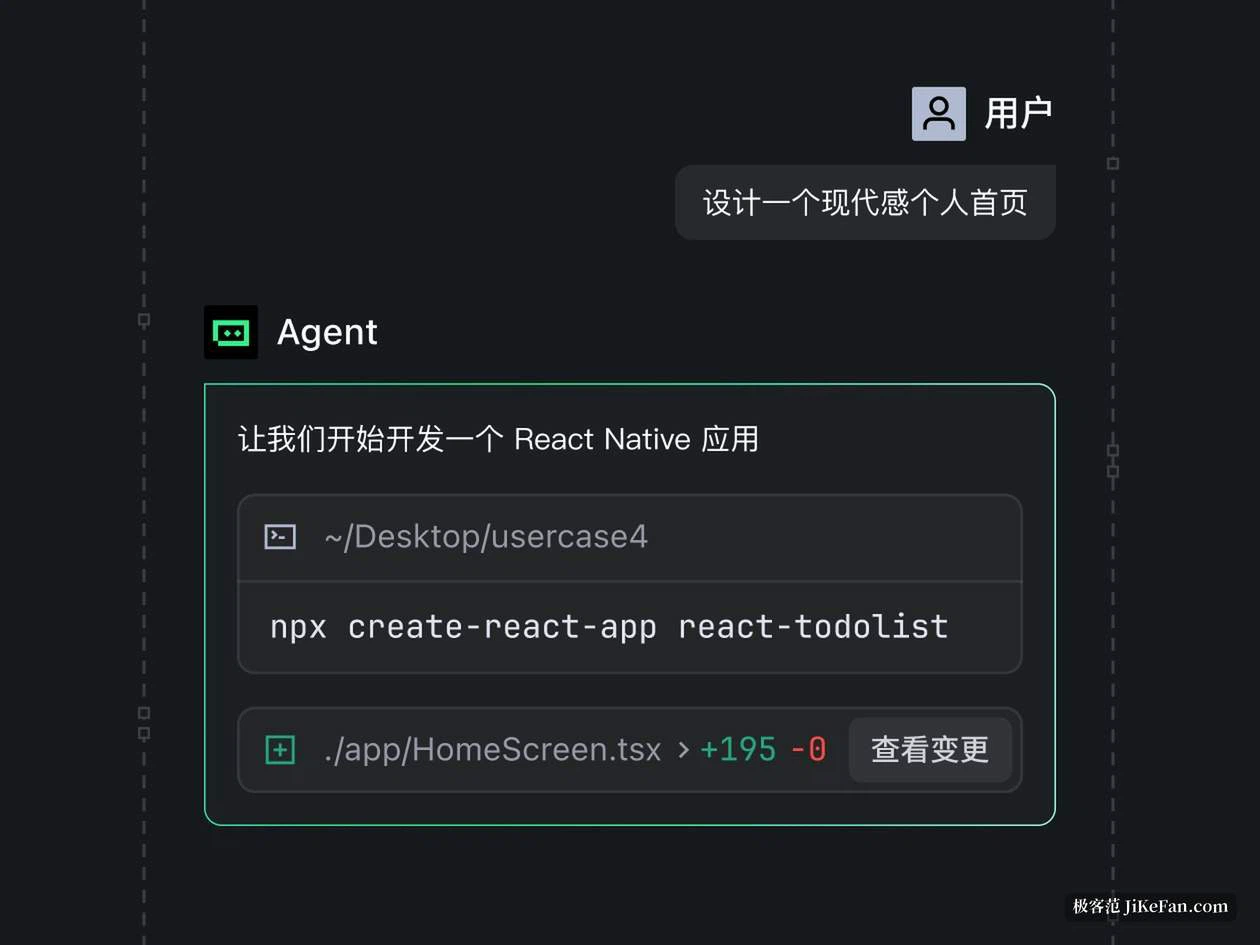
It comes from ByteDance and exists in three forms – a web version, a desktop application and a mobile application – all of which are generally available rather than in preview. Nothing has to be installed to start, no environment has to be prepared, and there is no switching between programs: sign in, describe the task in ordinary language, and it breaks the work down, executes it, and returns something to look over.
Three modes for three kinds of work
The central design decision is to split the workbench by task rather than by feature. Work mode addresses people in product, operations and analysis – documents, spreadsheets, data analysis and presentation decks. Code mode addresses engineers, and concentrates on writing, debugging, managing a codebase and the version control workflow, with an agent driving the development rather than merely suggesting lines.
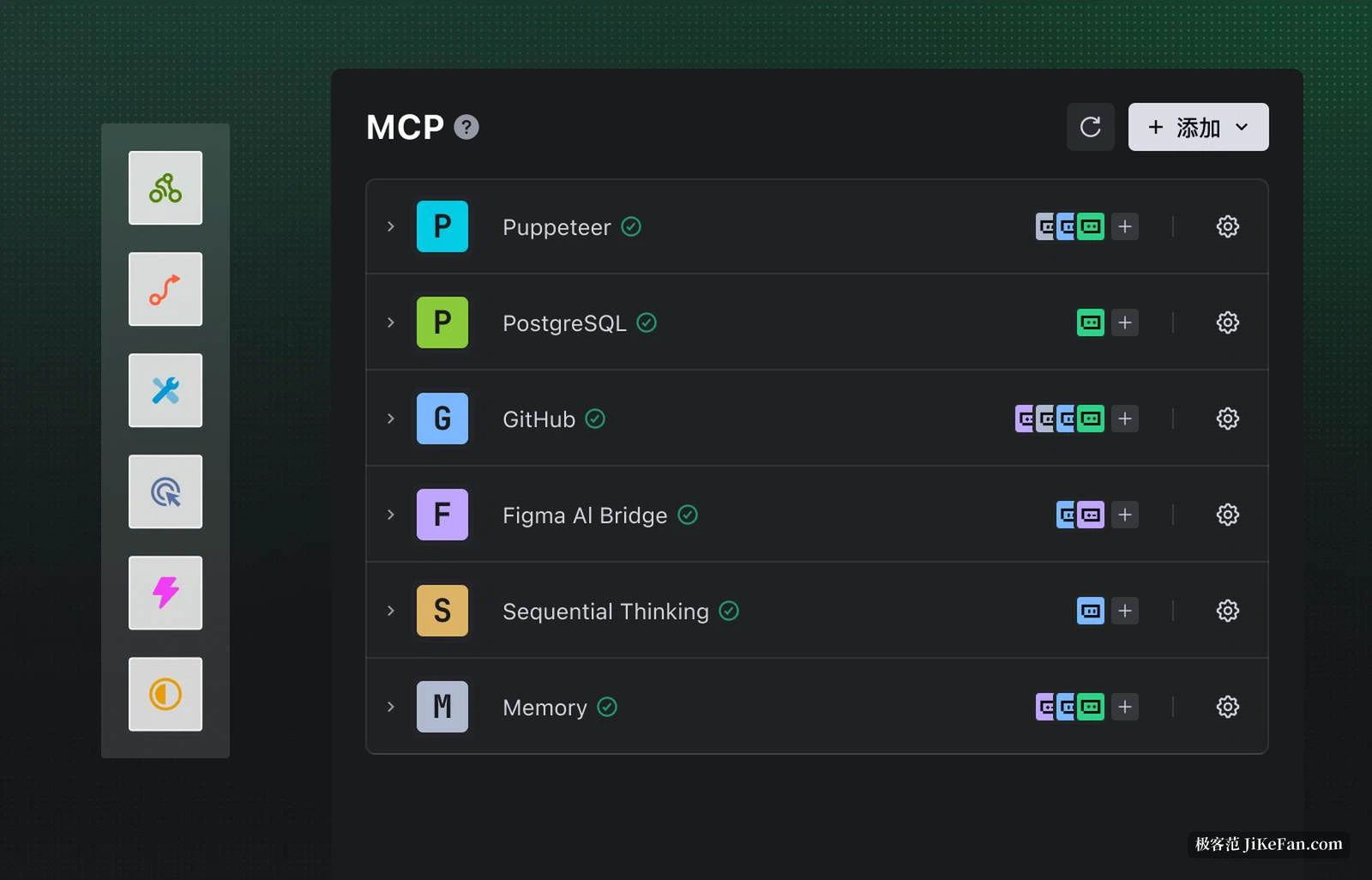
Design mode is for the people who need something drawn: it takes a design from first idea through revision to a finished deliverable in one place. The practical effect is that a weekly report, a slide deck, a spreadsheet analysis, a piece of code and a prototype all enter through the same door. Changing what you are doing means changing mode, not changing application.
What the free tier actually covers
This is the part worth being precise about, because "free tier" usually means a demonstration with the useful parts removed. Individual users register an account and receive five hundred credits each month, and all three modes with every core function are available. Two cloud tasks can run in parallel.
For light office work, content creation and students, that allowance is usually enough to finish real tasks rather than to sample them. The credits are what pays for the model calls behind each task, so heavy use consumes them faster, which is an honest way to price this kind of tool.
The paid tiers, and what they add
Above the free tier there are four levels, and the differences that matter are concurrency and priority rather than features being locked away. The number of cloud tasks that can run at the same time rises from two to twenty across the tiers, and the upper levels receive priority responses during peak hours, which is the difference between queueing behind everyone else at two in the afternoon and not queueing at all.
There is also a discount on the built-in models at the higher levels. The ladder is deliberately gradual: occasional users stay on the free tier, and only those running several long tasks a day need to move up.
Three surfaces, one account
The web, desktop and mobile versions share an account and a task record, which is the feature that changes how the tool is used rather than merely how it is priced. A task dispatched from a desk shows its progress on a phone. A task dictated on a commute is finished by the time the desk is reached – and dictation is literal here, since input accepts speech as well as text.
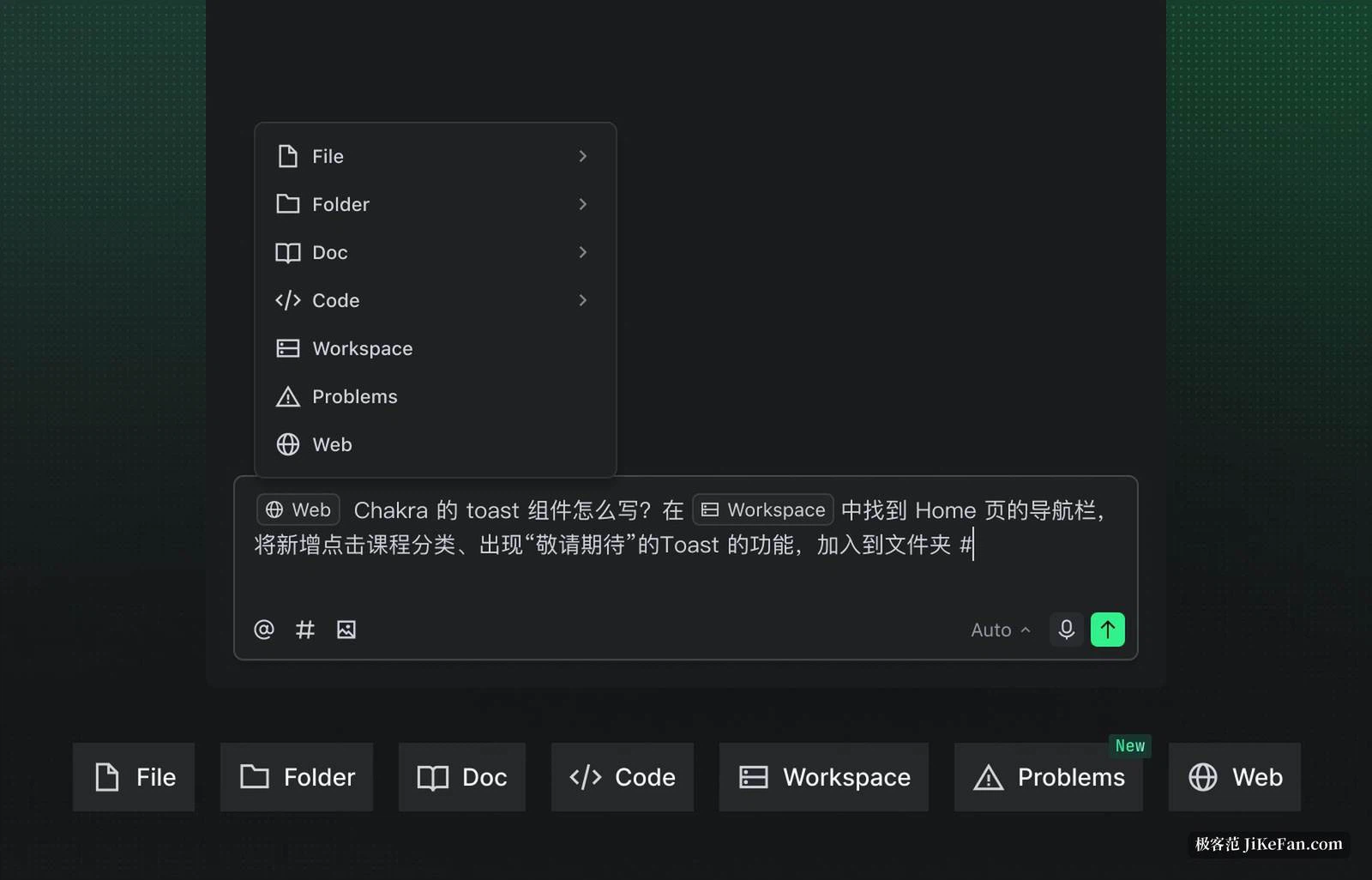
Attachments, images and slash commands are accepted too, and skills can be attached to extend what the agent is able to do. The desktop version runs either in the local environment or in the cloud, and the web version needs no installation at all.
Who should start here
The honest summary is that the barrier has been lowered deliberately. Anyone curious about what it feels like to hand a whole task to an AI and get a finished result back can find out at no cost, and decide afterwards whether the heavier tiers are worth it. That is a reasonable way to sell this class of software, and a rare one.