
Insomnia: an API client that asks nothing of you before you start
Summary
Insomnia is an open source API client under the Apache 2.0 licence: open it and work locally in draft mode without an account, keep collections in a Git repository, and debug REST, gRPC, GraphQL and WebSocket traffic in one window. Test runs are free and unlimited.
Recommend- Name
- Insomnia
- Version
- 13.1
- Pricing
- Free
- Open source
- Open source
- Operating system
- WindowsmacOSLinux
- Website
- https://insomnia.rest/
- Updated
- 2026-10-06 21:54
Testing an endpoint should not begin with a sign up form
The direction of travel in this corner of tooling has been odd to watch. Open the application and it wants an account. Your collections are pulled into somebody cloud by default. The free tier quietly narrows each year. Insomnia takes the opposite line. It is an open source project released under the Apache 2.0 licence, and it opens straight into a local draft mode where the work happens without a login and the data stays on your own machine. Collaboration is handled the way developers already handle everything else: put the collection in a Git repository, maintain the interface definitions under version control, and let conflicts go through a normal three way merge.
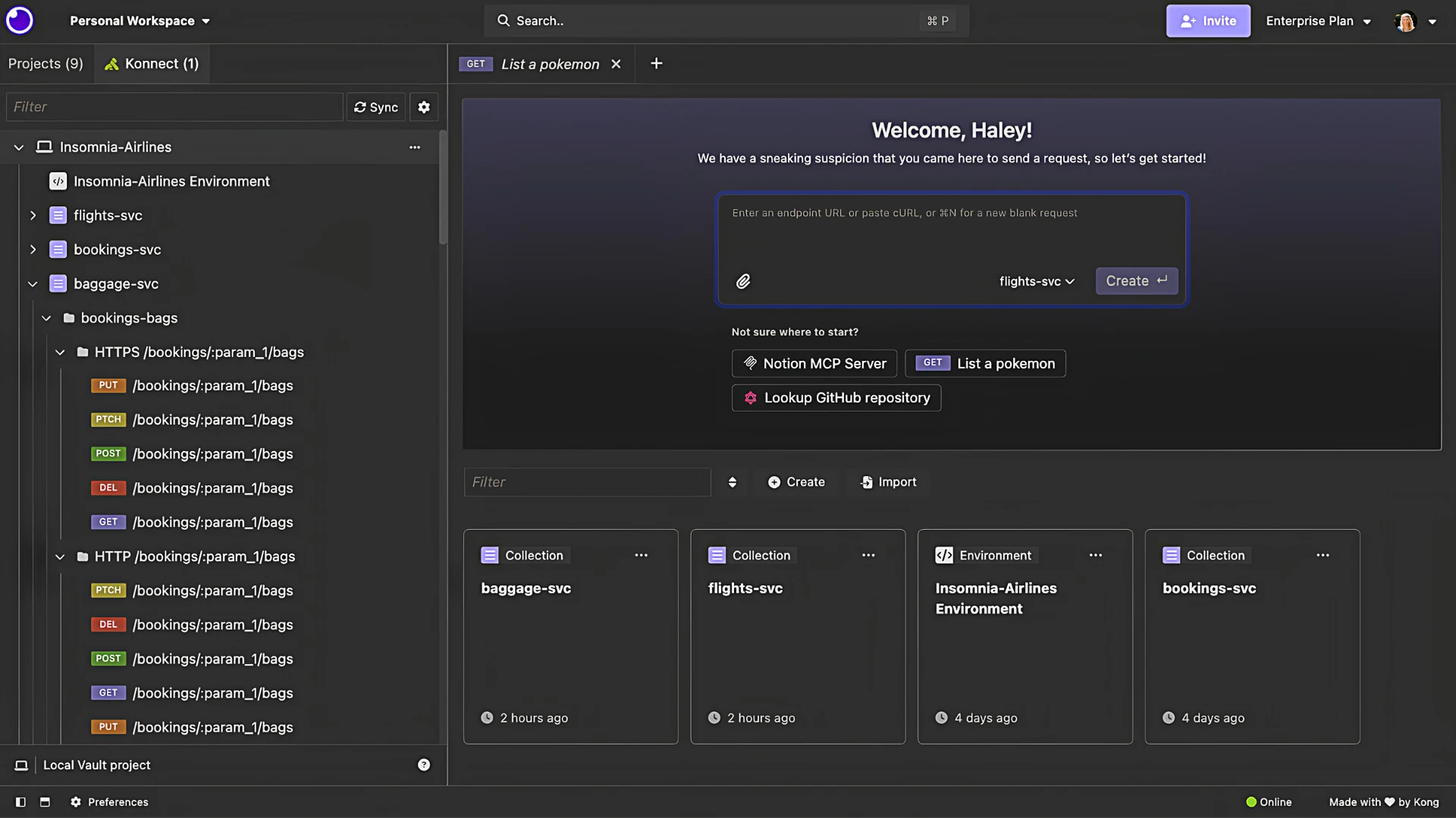
That last part is what makes the design feel native to the people who use it. A merge conflict on a request definition is not a special case with its own interface, it is the same conflict you already know how to resolve.
The protocol coverage is complete and the testing is not an afterthought
The protocols that come up in daily work are all present. Ordinary REST requests are the baseline, and gRPC, GraphQL subscriptions and WebSocket connections each get a dedicated panel rather than being squeezed into a generic request form. Server sent events can be watched directly. Testing sits in the advanced layer: a collection can carry pre and post scripts for automated checks, and running those tests is free without a cap, which is the part that quietly matters when a suite grows.
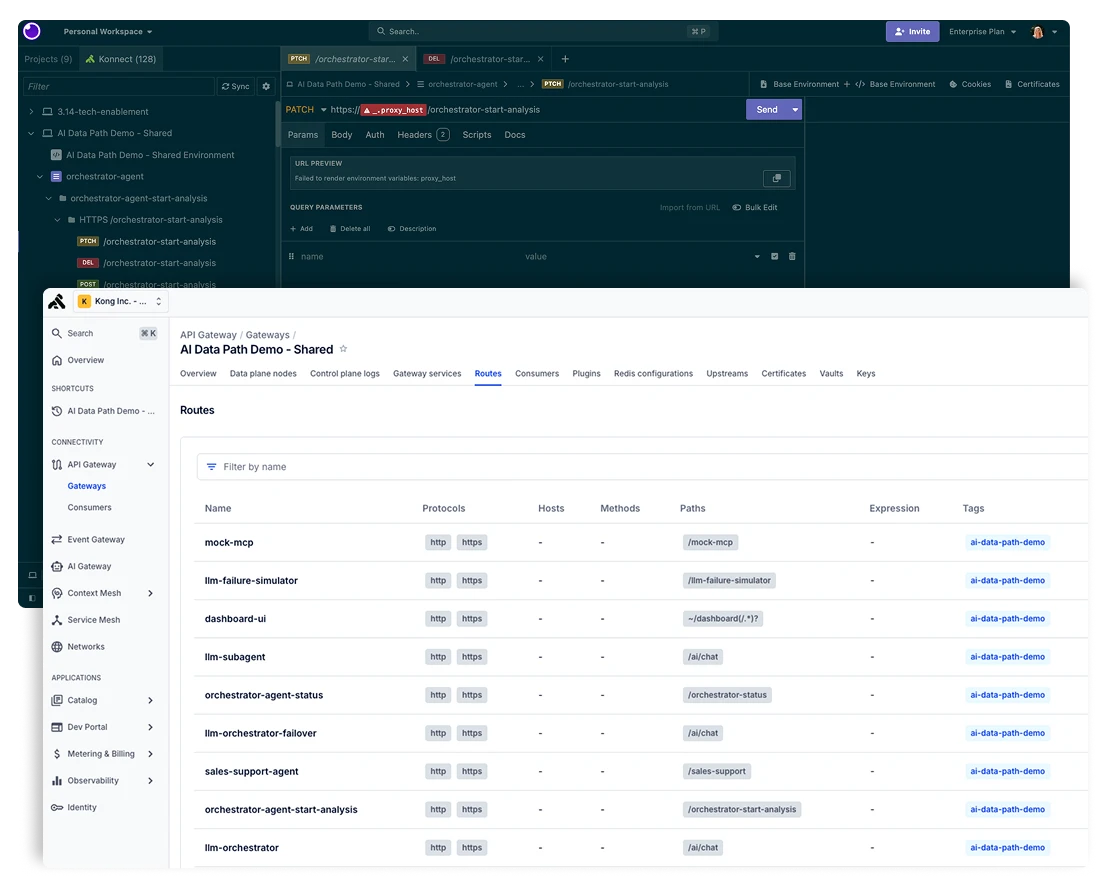
Version 13.1 has arrived in a year of noticeably quicker releases. Synchronisation through the native Git command line, dynamic mock responses, and native support for testing against the protocol that agent tooling has started to speak have all landed in succession. None of those are headline features on their own; together they show a project watching where development work is actually moving.
What makes Insomnia comfortable is a sense of boundaries. Your interface definitions, environment variables and test scripts stay on your machine or in your repository. The tool is a tool, not the owner of the data. Developers asked for that boundary and here it is drawn clearly.
Team collaboration, cloud sync and enterprise single sign on sit in the paid tier, which leaves individual developers without much to worry about on the free one. Moving house is easy as well, since the mainstream export formats import directly.
The honest weaknesses are worth naming. The plugin ecosystem is thinner than the one the oldest competitor has built up over many years, and the team administration side is still being refined. Neither of those will stop a working developer, but anyone planning to build tooling on top of the client should look at both before committing.
For people who care about data ownership and an open licence, this is the endpoint debugger that belongs in the toolbar right now. The interface is uncluttered, the desktop client exists for all three platforms, and nothing stands between opening the application and sending a request.
There is a second effect that only shows up after a few weeks. When the collection lives in a repository, reviewing a change to an endpoint becomes the same act as reviewing a change to code. A diff shows what moved, who moved it and when, and a bad edit can be reverted with the tool everyone already has open. Interface definitions stop being folklore passed around in chat.
That is the quiet case for a client like this one. Speed matters less than the fact that the work leaves a trace.
Worth noting for anyone evaluating the free tier seriously: the automated tests being uncapped is not a marketing line. A collection with a dozen checks run on every change is a normal working habit, and it is the habit a pricing model can quietly price out of existence.
That short distance is the whole argument, really. A tool you can use in the first ten seconds without an account, and hand to a colleague as a repository rather than as a shared workspace invite, removes a category of friction that the rest of the field has been adding on purpose.