
Epic Games Store hands out a free game every Thursday and pays developers 88 percent
Summary
A store for PC and mobile games: one free title every Thursday, an 88 to 12 split for developers, the first million dollars of net revenue kept in full for each product, and a launcher for Windows and macOS.
Recommend- Name
- Epic Games Store
- Version
- 20.1.4
- Pricing
- Free
- Open source
- Proprietary
- Operating system
- WindowsmacOS
- Updated
- 2026-10-06 21:13
One free game, every Thursday
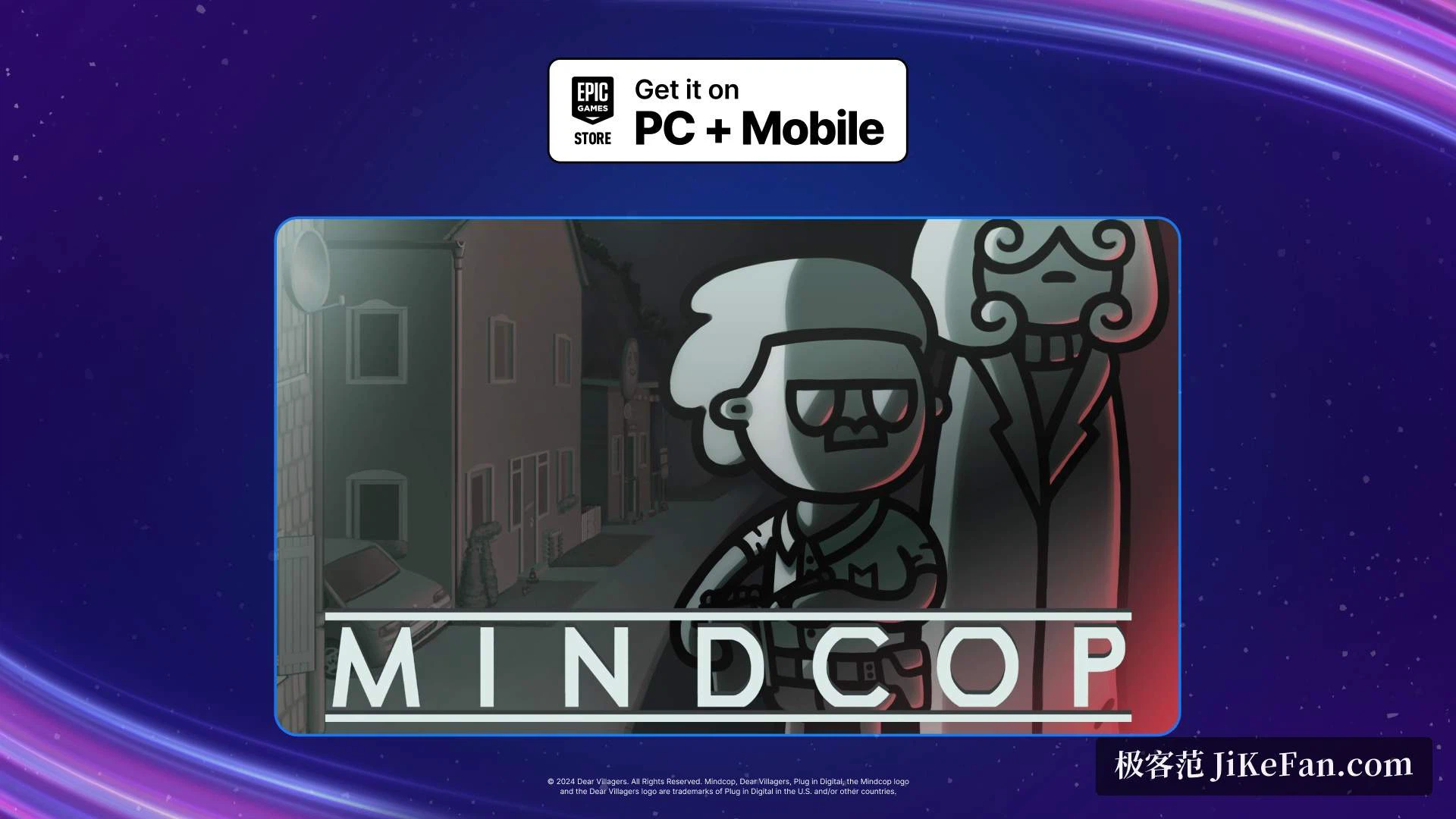
The best known habit of this store is giving games away. The official material is blunt about it: one free title each week, refreshed on Thursday, on computers and on phones alike; the app has shipped for Android worldwide and covers iPhone and iPad in the regions where that is possible. Beyond the timed giveaway there is a section for games that are free to play from the start, holding long running online titles and live service projects that stay there, and anything claimed this way lands in the library for good rather than being lent for a weekend. What the arrangement really buys is a reason to open the program at all, week after week, in a market where the hardest thing to obtain is a person's attention on a given Thursday.
A launcher for Windows and for macOS
On a desktop the store and the library are reached through the official launcher, and the vendor supplies a Windows installer and a macOS image, both served from its own domain. The launcher carries the store browsing, the buying and the loading of games, the management of what is already on the disk, and the social side; updates happen in the background rather than one patch at a time under the player's hand. On phones there is a separate store application that offers the company's own titles alongside those of other studios, and the account is the same one used on the desktop, so a library does not have to be assembled twice. The desktop build is version 20.1.4 at the time of writing.
Phones and parental controls
The mobile edition is not an appendage of the desktop one: the vendor says the application covers Android across the world and reaches iPhone and iPad wherever that route is supported, and claiming a free title goes through the same flow there. Parental controls work across the whole family of the company's products at once, so what a child may reach can be set in one place instead of application by application. For a player whose machine is really a phone, this arrangement keeps claiming, browsing and playing under a single account, which is the point at which a store stops being a website and becomes a place someone lives in.
The developer's arithmetic: 88 to 12
The terms offered to developers are printed on the official material: a standard split of 88 percent to the developer and 12 percent to the store; and for a newly listed product, the first million dollars of net revenue each year is kept in full, with anything beyond it returning to the standard model. The vendor stresses that the store addresses phones and computers together and that the rule applies to every kind of product. For an independent team this means the money kept at the start of a release is visibly larger, and it gives the store a clear argument on the one number that developers compare first. Whether that argument matters more than the size of the audience is the question every small studio ends up answering for itself.
The company behind it and the reach it claims
The store is run by the game company of the same name, founded in 1991 by its chief executive, headquartered in Cary in North Carolina in the United States, with offices in several countries. The same company supplies 3D engine technology and operates a very large game ecosystem of its own, which makes the store the distribution arm of a business that already had an audience before it had a shop. The official figure is direct reach to more than 295 million users of the company's accounts, and a web store is offered as a way for studios to sell through their own channels as well.
Version and how it is obtained
The launcher is free, with separate files for Windows and for macOS, and the account, the library and the cloud saves are common to both sides. Claiming a weekly title needs a login at the right moment and a deliberate click, and a missed week is usually not repeated afterwards, which is an argument for leaving the application on a machine that gets switched on. The store itself charges nothing to use, money changes hands only when a particular game is bought, and titles already in the library are not taken back when the terms change later. Signing in on another machine brings the whole library along.