
-
KeePass 2.61.1 locks the whole vault into one file and types the password for you
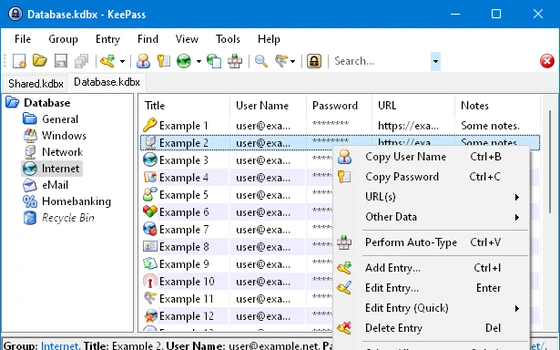
KeePass keeps every account inside a single encrypted database and asks you to remember one master key. Version 2.61.1 arrived on 1 May 2026 with a list of fixes, and Auto-Type fills forms by simulating keystrokes.
-
KeePassXC 2.7.12 keeps every password in one encrypted file you place yourself
KeePassXC 2.7.12 is free and open source on Windows, macOS and Linux, storing every account in one local encrypted file with a browser extension for autofill and a generator built in. Data never sits on a vendor server, and no subscription is charged.
-
Keeper Password Manager: zero knowledge vault with passkeys, free tier of ten records
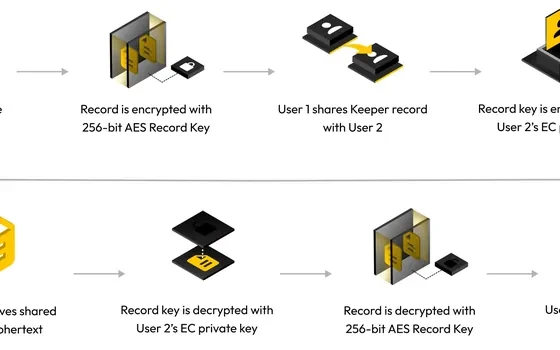
A password and passkey manager built on zero knowledge encryption: scrambling and unscrambling happen on the local device and the service stores only ciphertext. Extensions and native desktop and mobile clients all open the same vault, while the free tier caps at ten records and one mobile device.
-
Password Safe: the password manager that never phones home
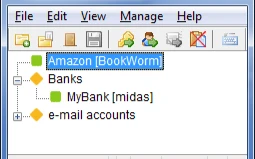
One encrypted file on your own disk, no cloud sync, no telemetry, no account: a password vault whose trust model is a file and a master password, nothing else.
-
Pi-hole: Network-Wide Ad Blocking From a Single DNS Server
Pi-hole is the classic open source answer to network level filtering: it stands in front of a whole local network as a DNS server, so devices need no plugin of their own to have tracking and advertising requests dropped, it runs on a Raspberry Pi, and the self hosting community around it is mature.

-
Cloudflare WARP hands on: encrypting the traffic you carry around
WARP encrypts everything from the device to the nearest edge node over WireGuard, sends lookups through an encrypted resolver, needs no account and has no traffic limit. Free on every platform, with post quantum crypto added in 2026.

-
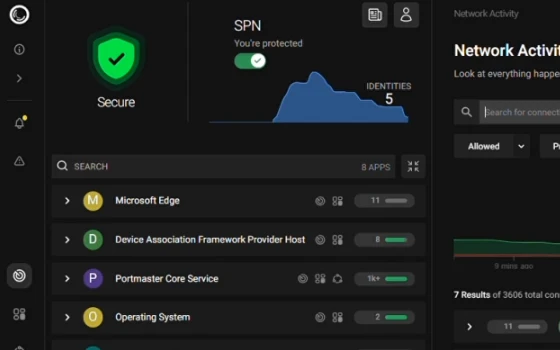
Portmaster review: a network gate you can actually see
Portmaster is an open source application firewall from Safing that shows every outbound connection in real time and lets you allow or block it in one click, with encrypted DNS and built in filter lists under the GPLv3.
-
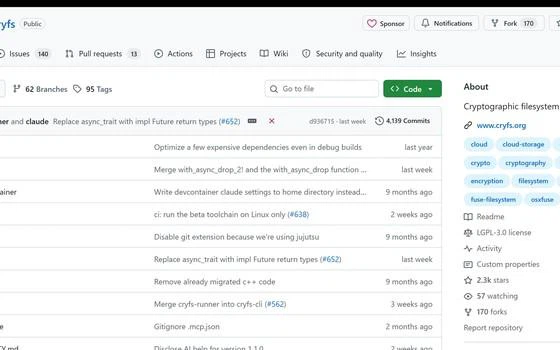
CryFS: hiding the shape of your files, not just their contents
CryFS is an open source encrypted filesystem for cloud folders: it splits files into encrypted blocks, scrambles names and directory structure, and gives you a normal mounted folder on the desktop while the cloud only ever stores unreadable chunks.
-
Enpass keeps the password vault on your own disk, not a server
Enpass has no server holding your vault: the encrypted file stays on your devices, syncs through a cloud account you already own, and unlocks with a key that never leaves your head.
-
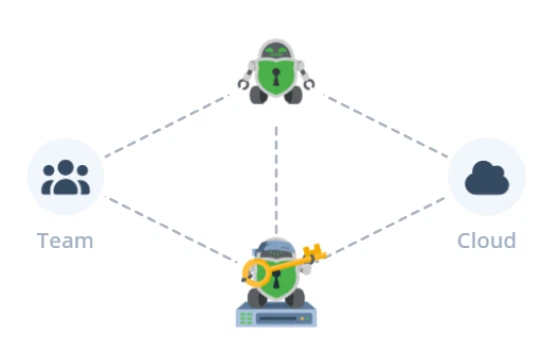
Cryptomator: encrypt files on your own machine before the cloud ever sees them
Cryptomator is an open-source tool that encrypts files in a local vault with AES-256 before they sync, so a cloud provider only ever stores unreadable data.
-
AdBlock Plus 4.44: the veteran blocker, and the setting to switch off first
AdBlock Plus stops advertising requests before they load, and its one surprise is a whitelist that is on by default and has to be turned off by hand.

-
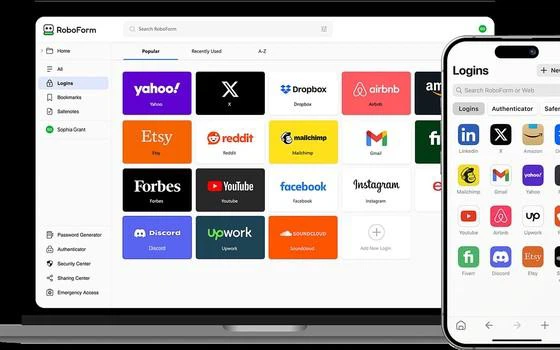
RoboForm: a password manager that has been at it since 1999, with no limit on passwords in the free tier
A manager that began in 1999 as a form filler, and still treats forms as its real trade: registration pages, checkouts and multi step logins are completed in one go from an identity set up beforehand. AES-256 encryption, a master password stretched through millions of rounds, and a zero knowledge design in which the server never sees the key. The free tier puts no ceiling on the number of passwords on a single device.
-
ClearURLs: it cuts the tracking tail off a link before you share it
An open source browser extension that leans on a community maintained rule library to strip tracking parameters out of addresses in the background. It cleans a whole list at once, copies a clean link straight from the context menu, blocks link auditing and redirection hops, and sits there so lightly that you forget it is running.
-
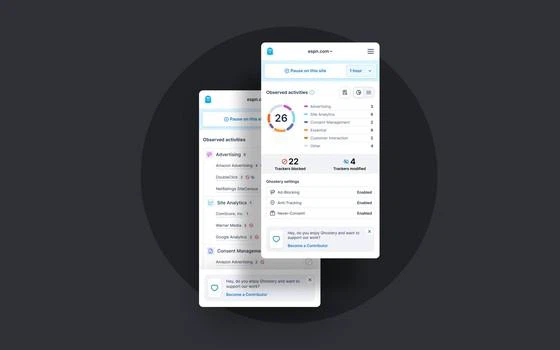
Ghostery: see which company is following you, and answer the cookie prompt with no
An open-source privacy extension that has been running for more than a decade. It blocks ads and trackers, swaps personal identifiers in requests for random values, and answers cookie consent prompts with a refusal on your behalf. Every page shows how many trackers it carried and which companies they belong to.
-
AdGuard DNS 2.23: block ads one layer earlier, for every device in the house
A public resolver that answers ad, tracking and phishing domains with a name that does not exist, so nothing on the network can reach them. It speaks every mainstream encrypted protocol, keeps no logs, needs no client, and its core is open enough to host yourself. The base service is free.

-
第 1 / 2 页