
Pi-hole: Network-Wide Ad Blocking From a Single DNS Server
Summary
Pi-hole is the classic open source answer to network level filtering: it stands in front of a whole local network as a DNS server, so devices need no plugin of their own to have tracking and advertising requests dropped, it runs on a Raspberry Pi, and the self hosting community around it is mature.
Recommend- Name
- Pi-hole
- Version
- 6.4.3
- Pricing
- Free
- Open source
- Open source
- Operating system
- LinuxARM
- Website
- https://pi-hole.net/
- Updated
- 2026-10-06 20:10
Turning Filtering Into Infrastructure
Installing a blocking plugin on every device is a war of attrition nobody wins. The phone gets one, the laptop gets another, and the television box has nowhere to put one at all. Each device has its own settings, each update has its own surprises, and the moment a new gadget joins the household the whole exercise starts again from zero. Pi-hole refuses to fight on that ground. It moves the problem to the entrance of the network instead.
Deploy it on one small machine, point the local network at it as its DNS server, and every name resolution request in the house passes through it before anything else happens. A request for a tracking or advertising domain is blocked before the content behind it is ever loaded. Pages arrive cleaner, and the quiet traffic that devices send out in the background drops sharply. One deployment, and every device on the network is covered at the same moment, including the ones that could never have hosted a plugin.
The choice of DNS as a chokepoint is what makes the idea work. Almost every connection on a network begins with a name lookup, so a single place that answers those lookups sees the intentions of every device without needing to inspect the traffic itself. Nothing has to be decrypted, no client has to be modified, and the habit of using the network does not change at all.
Filtering You Can See, An Entrance You Can Hold
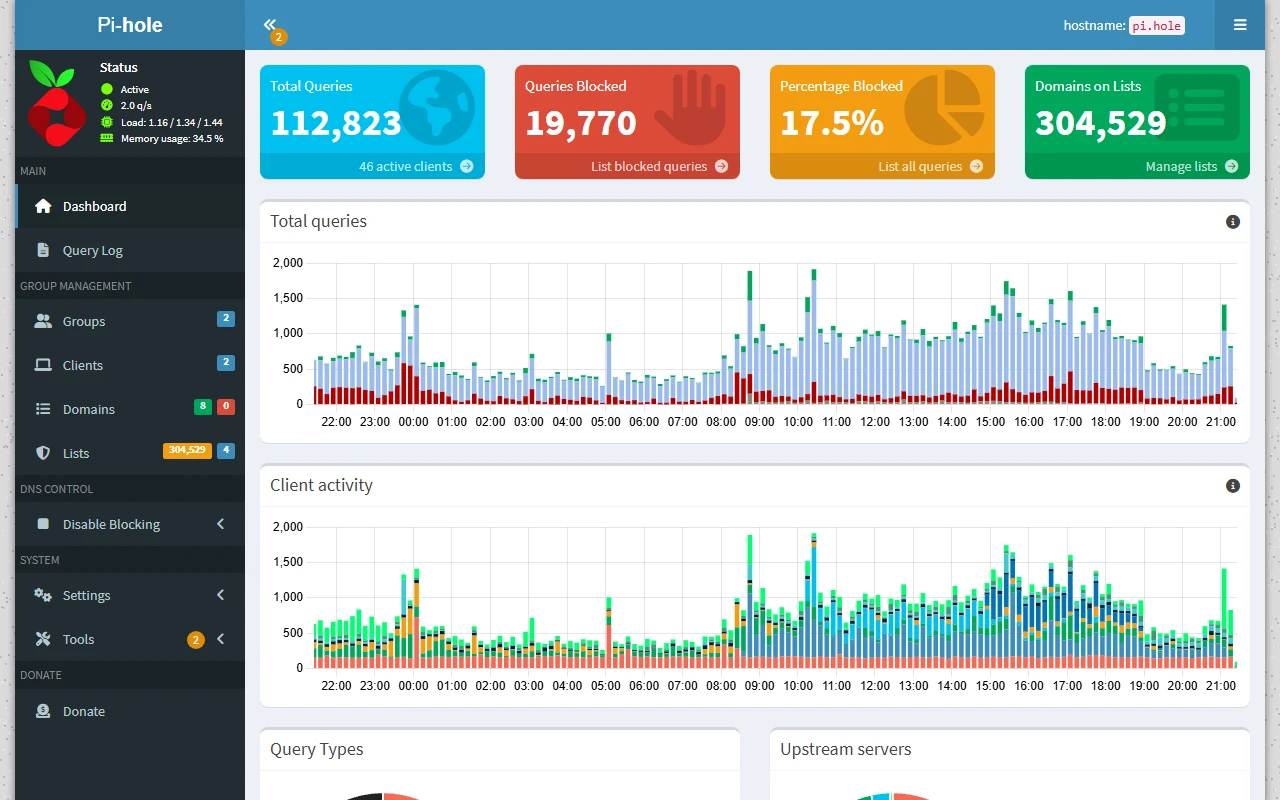
It ships with a web administration interface, and the numbers on it are the part people underestimate. The total number of queries per day, the count that was blocked, and a list of the top domains are all laid out plainly, which means a device asking for suspicious names at three in the morning becomes visible rather than theoretical. Blocklists can be added and removed freely, a domain hit by mistake goes on the allow list with one click, and pairing the setup with encrypted upstream resolution adds another layer of protection to the query path itself.
The barrier to entry is low. A device in the Raspberry Pi class is enough to keep it running all year, the official documentation covers the mainstream installation paths, and community tutorials are plentiful enough that almost any problem has an answer already written down somewhere.
That difference shows up most clearly on the devices nobody thinks to configure. A phone can run a blocking extension in one browser, but the applications on it open their own connections and pay no attention to what that extension wants. A television box offers no extension at all. A thermostat, a doorbell, a printer on the shelf all talk to the outside world on their own schedule. Put the decision at the DNS layer and all of them are governed by the same rule set, whether or not their software has any notion of filtering.
The appeal of Pi-hole is that it is done once and then forgotten. No habit changes, no client to install: it simply stands watch on a road that network traffic has to travel anyway. Good infrastructure is supposed to be quiet and reliable like that.
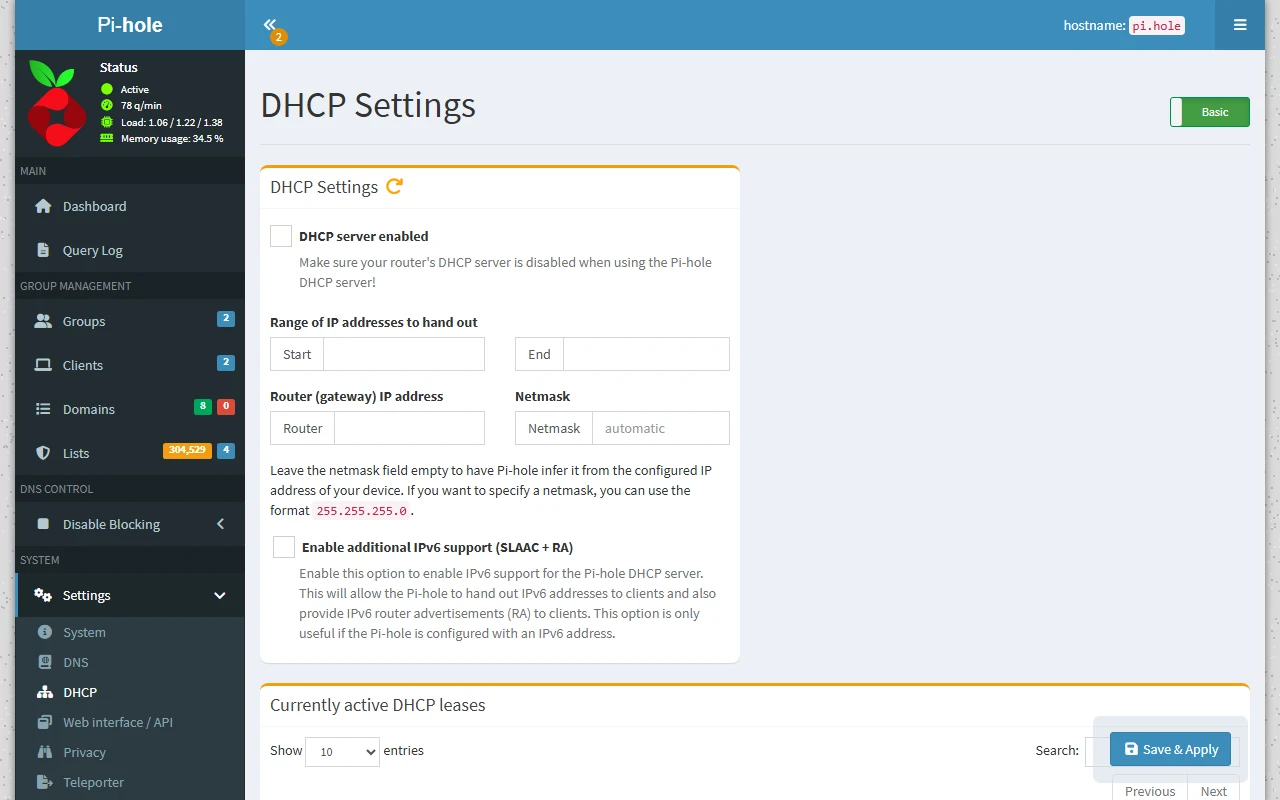
The deployment advice is equally direct. Point the DNS that the router hands out over DHCP at it and the whole household is covered; keep a second resolution path available so that a bad rule cannot take down something critical; begin with a conservative set of blocklists and tighten them gradually as you learn what your own network actually does.
For anyone self hosting with a house full of devices, and caring about both network quality and data leaving the building, this is one of the highest value upgrades available: open source, free of charge, and a single small box standing guard all year round.
After the first week the thing becomes invisible in the best way. The dashboard is there when curiosity strikes, the blocklists update quietly in the background, and the daily routine of the network carries on exactly as before. What changes is not how anything is used, but how much of the traffic that used to be taken for granted never leaves the house at all.