
-
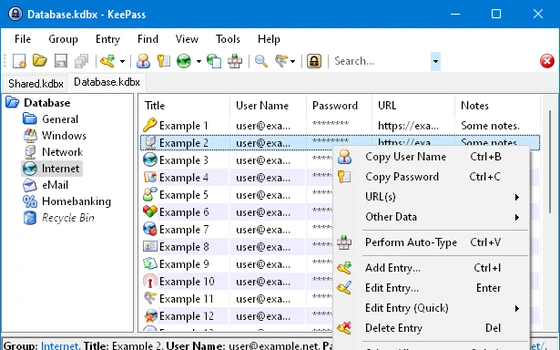
KeePass 2.61.1 locks the whole vault into one file and types the password for you
KeePass keeps every account inside a single encrypted database and asks you to remember one master key. Version 2.61.1 arrived on 1 May 2026 with a list of fixes, and Auto-Type fills forms by simulating keystrokes.
-
KeePassXC 2.7.12 keeps every password in one encrypted file you place yourself
KeePassXC 2.7.12 is free and open source on Windows, macOS and Linux, storing every account in one local encrypted file with a browser extension for autofill and a generator built in. Data never sits on a vendor server, and no subscription is charged.
-
Passbolt 5.16 puts an encrypted open source vault on your own server
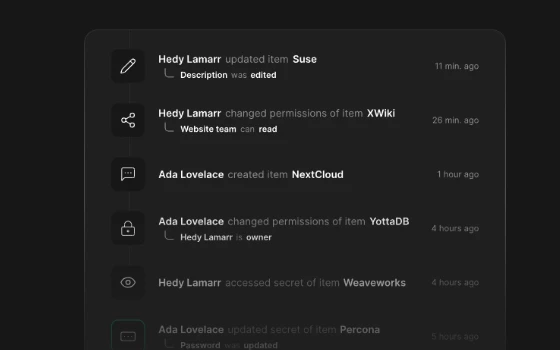
Passbolt is an open source credential platform for teams, with the vault running on your own server or inside the firewall. A browser extension, mobile apps and a command line tool share one encrypted set of data, sharing uses OpenPGP public keys, and private keys stay on the client.
-
Keeper Password Manager: zero knowledge vault with passkeys, free tier of ten records
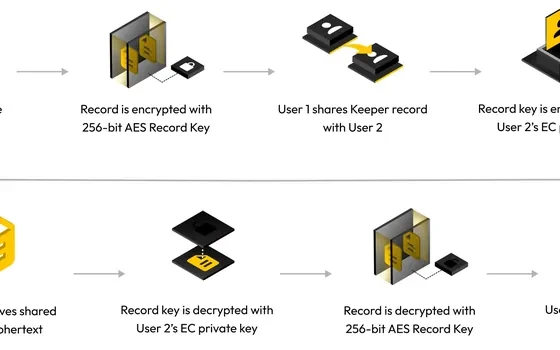
A password and passkey manager built on zero knowledge encryption: scrambling and unscrambling happen on the local device and the service stores only ciphertext. Extensions and native desktop and mobile clients all open the same vault, while the free tier caps at ten records and one mobile device.
-
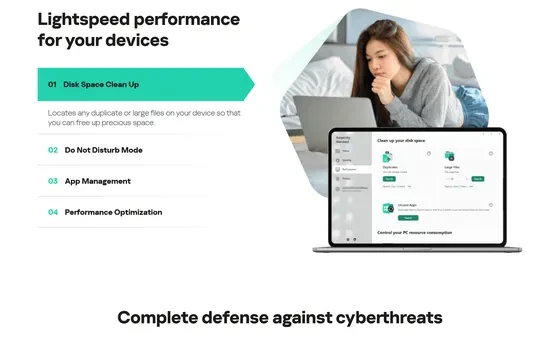
Kaspersky Standard: a security suite for five platforms, with anti-phishing and a firewall
A multi-platform security subscription for personal use that puts virus, malware and ransomware protection in the same licence as system performance tools, covering five desktop and mobile systems. A 30-day trial has replaced the old long-running free edition.
-
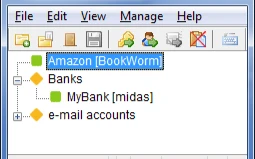
Password Safe: the password manager that never phones home
One encrypted file on your own disk, no cloud sync, no telemetry, no account: a password vault whose trust model is a file and a master password, nothing else.
-
ESET NOD32 review: protection that stays out of the way on old hardware
A security suite built around the opposite premise of most rivals: a small engine, a quiet background and scans you do not notice, with a full-feature trial before you decide about paying.

-
Pi-hole: Network-Wide Ad Blocking From a Single DNS Server
Pi-hole is the classic open source answer to network level filtering: it stands in front of a whole local network as a DNS server, so devices need no plugin of their own to have tracking and advertising requests dropped, it runs on a Raspberry Pi, and the self hosting community around it is mature.

-
Cloudflare WARP hands on: encrypting the traffic you carry around
WARP encrypts everything from the device to the nearest edge node over WireGuard, sends lookups through an encrypted resolver, needs no account and has no traffic limit. Free on every platform, with post quantum crypto added in 2026.

-
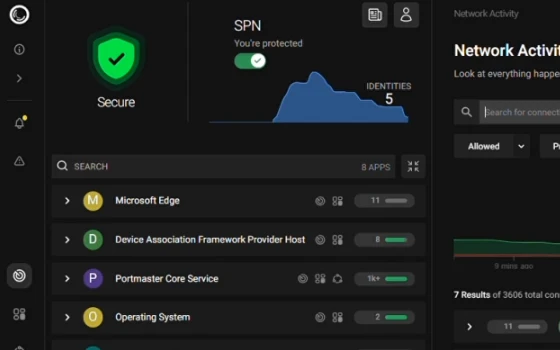
Portmaster review: a network gate you can actually see
Portmaster is an open source application firewall from Safing that shows every outbound connection in real time and lets you allow or block it in one click, with encrypted DNS and built in filter lists under the GPLv3.
-
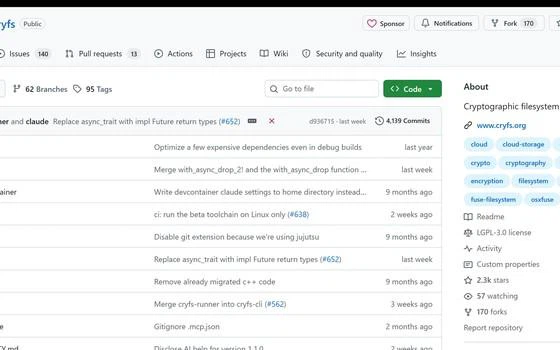
CryFS: hiding the shape of your files, not just their contents
CryFS is an open source encrypted filesystem for cloud folders: it splits files into encrypted blocks, scrambles names and directory structure, and gives you a normal mounted folder on the desktop while the cloud only ever stores unreadable chunks.
-
Enpass keeps the password vault on your own disk, not a server
Enpass has no server holding your vault: the encrypted file stays on your devices, syncs through a cloud account you already own, and unlocks with a key that never leaves your head.
-
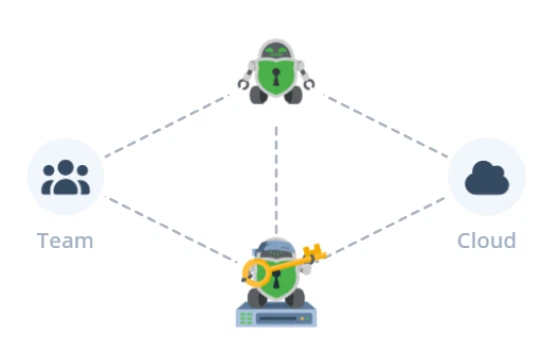
Cryptomator: encrypt files on your own machine before the cloud ever sees them
Cryptomator is an open-source tool that encrypts files in a local vault with AES-256 before they sync, so a cloud provider only ever stores unreadable data.
-
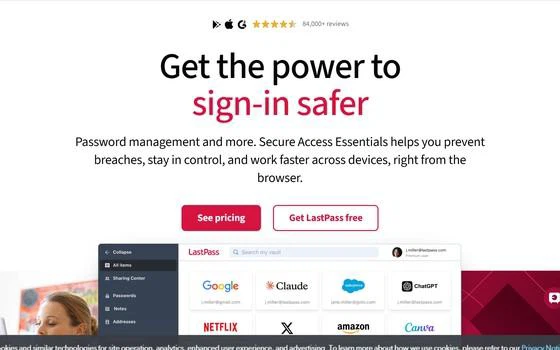
LastPass: one encrypted vault instead of a memory full of passwords
LastPass keeps logins, payment details and private notes in one encrypted vault unlocked by a single master password, fills login fields from the browser extension, and marks weak or repeated credentials in the vault.
-
AdBlock Plus 4.44: the veteran blocker, and the setting to switch off first
AdBlock Plus stops advertising requests before they load, and its one surprise is a whitelist that is on by default and has to be turned off by hand.

-
第 1 / 2 页