
-
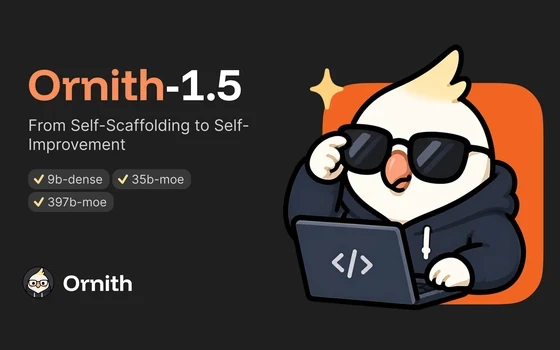
Ornith spans 9B to 397B and writes its own training tasks
From DeepReinforce, Ornith hands task writing, scaffolding and solution writing to the model itself, comes in three sizes from 9B to 397B, and ships under MIT with a 256K context and local deployment.
-
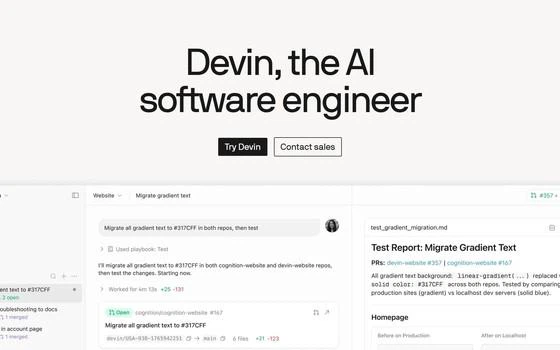
Devin Desktop: after the Windsurf rename, an AI editor built as an agent control room
Devin Desktop is Cognition's AI coding environment, renamed from Windsurf in 2026, where a board called Agent Command Center supervises local and cloud agents side by side.
-
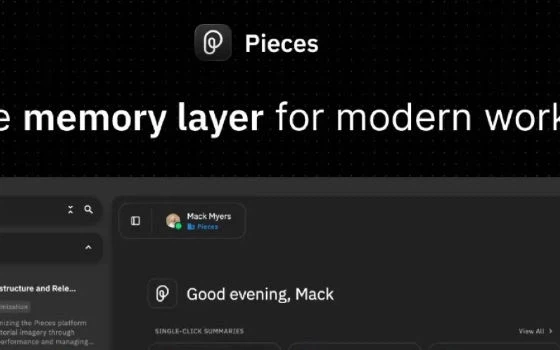
Pieces keeps nine months of your workflow on your own disk
Not a faster typist but a memory: it records what you did in editors, browsers and terminals, keeps it on the machine for nine months, and lets other AI tools borrow it through MCP.
-
Qodo leaves the writing to others and audits what comes out
A test writer and a pull request reviewer in one platform: Qodo reads a function, builds a suite that covers the awkward paths, then vets the change before it merges. Free for individuals.
-
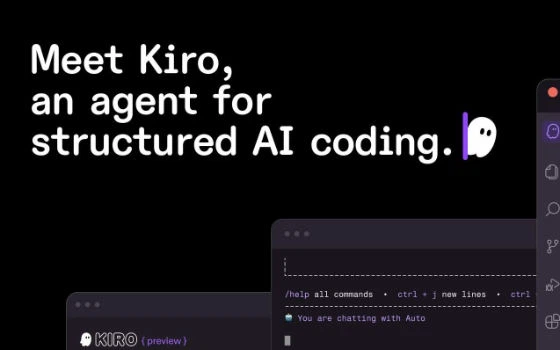
Kiro writes the specification before it writes the code
One sentence becomes three documents you sign off on, requirement conflicts get checked by automated reasoning, and property tests cover the edge cases unit tests miss.
-
Amp moves the agent onto a remote Orb so you can shut the laptop
Every task gets its own clean remote machine, the agent keeps working after you close the lid, and a phone, browser or terminal is enough to take over. Bring your own model and the platform costs nothing.

-
Claudette gives parallel coding agents a real workbench
An open source desktop companion that sends several agents into their own branch worktrees, meters the context each one burns, and keeps the diff and the editor in the same window.
-
Zoo Code splits one assistant into a team of four roles
A community continuation of Roo Code that turns one agent into four fixed roles, shows every change as a diff before it lands, and throws a guard over dangerous commands during long unattended runs.
-
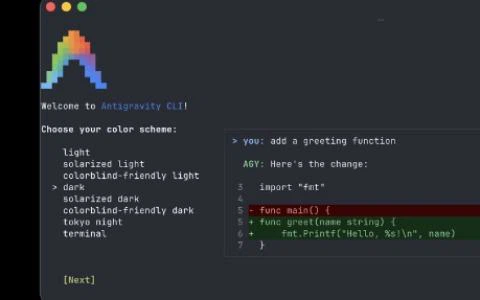
Antigravity CLI: Google rewrote its terminal agent in Go, and the free tier still runs
A single compiled Go binary replaces the old Node-based entry point, sharing one agent harness and one set of settings with the desktop app, running sub-agents in parallel inside an operating-system sandbox.
-
Codex CLI ships with the network off and a sandbox around your files
The network is off by default and writes stop at the working directory, with edits and commands passing an approval step; rewritten in Rust it is one static binary that also runs unattended in a pipeline.
-
Claude Code keeps the code on your machine and works from the terminal
One command puts an agent to work on the whole repository: it reads, edits, runs commands and opens a pull request, while the code stays local and no remote index is involved.
-
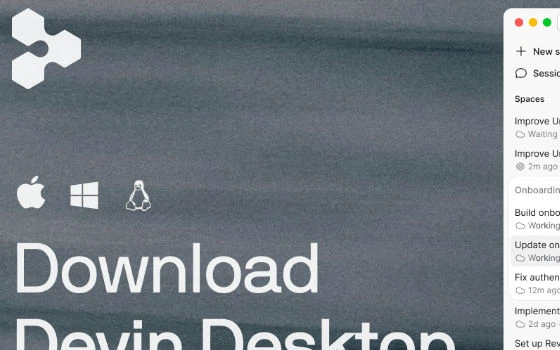
Devin Desktop puts local and cloud agents on one board
Devin Desktop, the renamed Windsurf, folds local and cloud agents into a single status board and lets third-party agents join through an open protocol.
-
GitHub Copilot: one issue in, one pull request out
GitHub Copilot walks a task from assignment to an opened pull request: it cuts the branch, commits, reviews its own patch and runs the scans, and several agent sessions can work side by side.
-
Cursor: an editor that splits the work and hands it out
Describe the outcome instead of the next line: the agent reads the whole repository, edits the files, runs commands and repairs what it broke - and for bigger jobs a coordinator plans, hands pieces to parallel agents and brings the result back.

-
bolt.diy: a whole Node.js runtime inside one browser tab, generating full stack apps with your own model
An open version of a well-known online tool, rebuilt so the model is yours to choose: code runs inside a Node.js sandbox in the browser tab, dependencies install, a development server starts, and the result appears in a preview beside the conversation. Output arrives as discrete steps, so a failure can be repaired at the step that broke.

-
第 1 / 2 页