
Kodi 22 reaches its second release candidate
Version 22.0rc2
Summary
Kodi 22 is now at its second release candidate, adding HDR subtitle colour handling, better Blu-ray disc matching and shader support in the game module.
Recommend- Name
- Kodi
- Version
- 22.0rc2
- Pricing
- Free
- Open source
- Open source
- Operating system
- WindowsmacOSLinuxAndroidiOS
- Website
- https://kodi.tv/
- Updated
- 2026-11-19 16:42
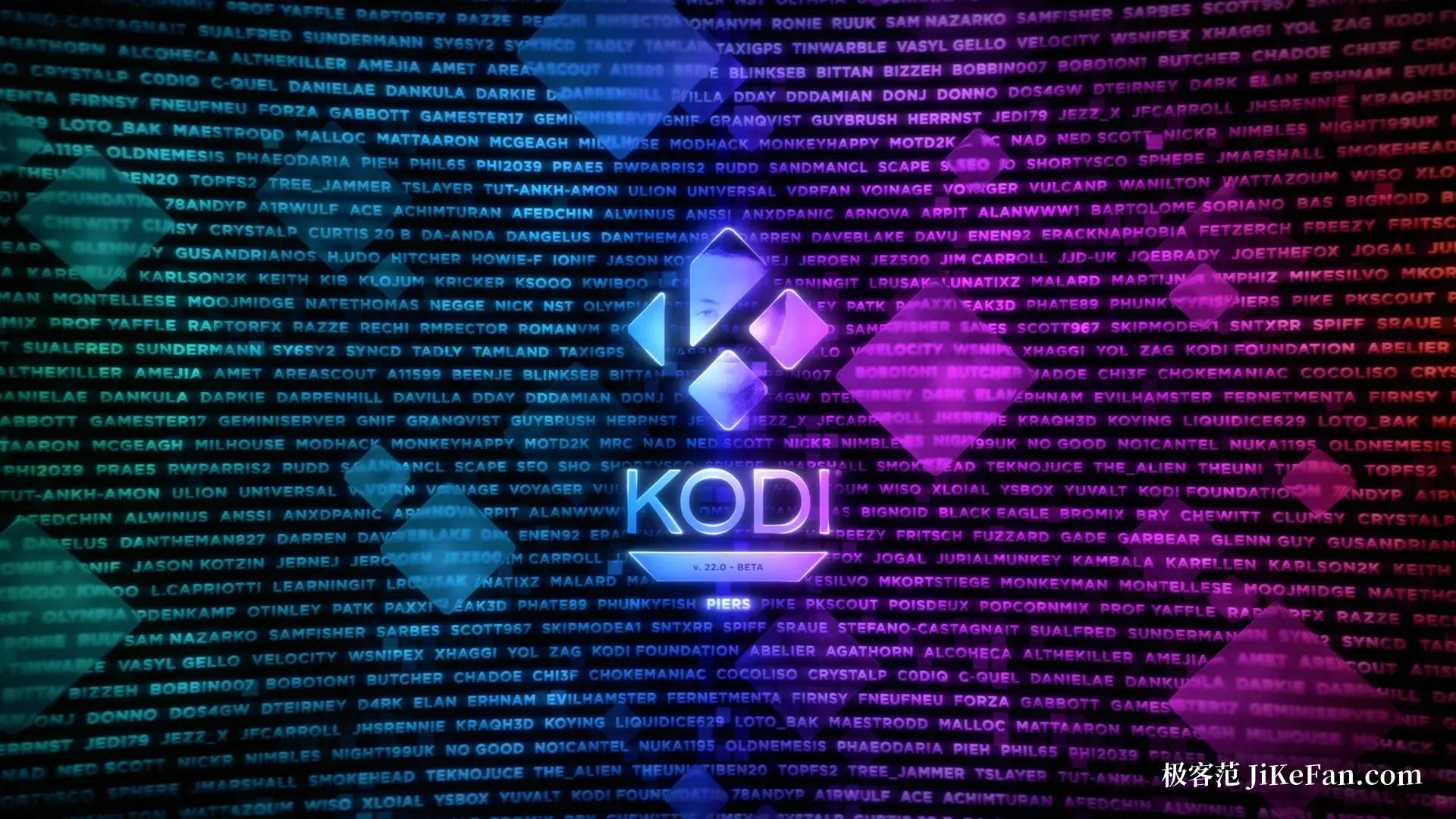
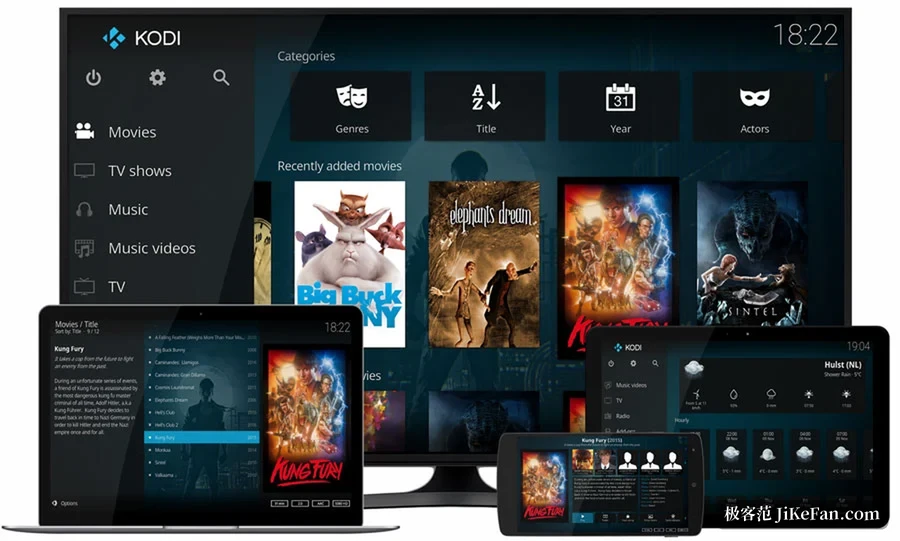
Kodi is a free, open-source home theater tool that gathers the films, series, music and photos you already own behind one interface and one remote. It runs on Windows, macOS and Linux, and it also fits on TV boxes and small single-board computers such as the Raspberry Pi. In November 2026 the project pushed its v22 branch to a second release candidate, codenamed Piers, which leaves only the last stretch before the stable build.
Twenty years on one line
Kodi started in 2003 as a media center written for the first Xbox and was renamed later, and the codebase has been carried forward ever since. More than two years have passed since the Omega line shipped, so v22 has collected an unusually large set of changes. The team stated plainly that features were frozen with the first candidate, and that the past month went into regressions and stability work. This second candidate merges more than 200 pull requests and 680 commits, according to the release post.
Where the colour work landed
HDR is the most substantial improvement of this round. Piers moves the bundled FFmpeg to version 9 and adds an HDR overlay together with UHD-grade PGS subtitles, so subtitle colours are now computed from the colour parameters of the film itself. Subtitles on HDR sources used to look washed out or blown out; an extra HDR to SDR tone mapping step now sits in between, and on Windows the difference is visible to the naked eye.
The gap between platforms also narrowed. The tvOS build gains HDR10 and HLG playback, while on Xbox, Dolby Vision extends to profiles 5, 7, 8 and 10. Colour space detection and tagging errors on Android were fixed, and a black screen that appeared in slideshows with HDR video on some Linux setups was dealt with as well.
Blu-ray discs behave
Anyone who keeps disc images knows that a film plays to the end only if the right playlist is picked. v22 reworks the way Blu-ray films and series are identified, matches playlists more accurately, and routes multi-angle discs and alternate playlists correctly. Once a series is split into episodes, the library files each one separately with its own cover and synopsis.
Menu handling received a long list of fixes. A menu that vanished while switching subtitles, a crash on leaving a Java menu for the main feature, and playback that stopped when unrelated files sat inside a folder-based disc are all listed in the notes.
The game module fills three gaps
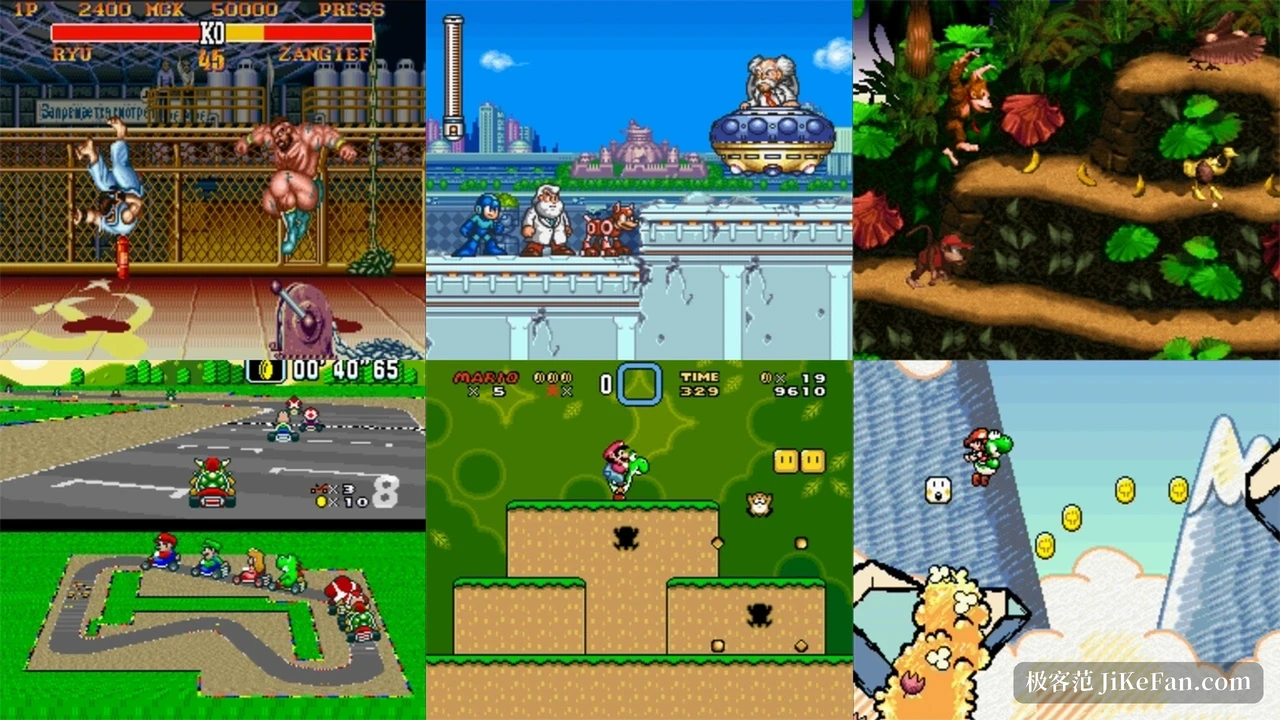
The gaming side is easy to overlook and larger than it looks. RetroPlayer gains shader support, the scaling options were rebuilt, and 3D titles can use OpenGL hardware rendering. Multi-disc games are handled in a more orderly way, achievements now connect to RetroAchievements, and a cheat engine was added. Gamepad support remains the foundation of the module, so a connected controller is enough to start playing.
Small things you notice daily
This candidate adds chapters, scene markers and bookmark jumping to video playback, reachable with the arrow keys while a film runs. It sounds unremarkable and saves time on concert recordings and lecture videos.
The library work of this round is about reliability. Resuming after a resolution switch, keeping watched flags, thumbnails lost after an import, and ISO images mixed into stacked files are all covered. On the audio side, dropouts on high bitrate TrueHD passthrough, inaccurate DTS-HD detection and audio that drifted out of sync after seeking on Android belong to the same batch.
Another layer is aimed at people who build their own boxes. On Windows the default audio output moves to XAUDIO and WASAPI, Linux power management improved on machines without logind, a long-press problem under Wayland was fixed, and webOS made progress on Dolby Vision and audio passthrough. Small machines such as the Raspberry Pi still run it, which has always been part of the base that Kodi serves.
- Current build
- Second release candidate, November 2026
- Codename
- Piers
- Previous stable line
- Omega
- Bundled decoder
- FFmpeg 9
- Licence
- GPL, free and open source
Whether to switch now
v22 is still a candidate, and the team itself warns against using it as a daily driver. Those who follow development can install a copy on a spare machine; everyone else is better served by waiting for the stable release. One warning comes first: rolling back from a nightly build to the candidate can reset settings and roll back library records, so back up the configuration folder before starting.
The value of a tool like Kodi is not the content bundled with it but the way it arranges what you have collected. Titles, posters, cast and synopsis arrive after one scrape, and nobody in the household has to dig through folders to find a film. With HDR, Blu-ray and gaming addressed in Piers, the old machine in the living room should be good for another couple of years.