
Jingrui AI replaces lucky draws with dialled parameters and per-episode costing
Summary
Generating footage is no longer the hard part of AI video; making the same scene connect on the third pass is. Jingrui AI, online on 11/4, swaps repeated dice rolls for five precision suites, reports cost by episode and scene, and outputs 4K 60 frame 10bit HDR directly.
Recommend- Name
- Jingrui AI
- Version
- 1
- Open source
- Proprietary
- Operating system
- Web
- Website
- https://www.jingruiai.cn/
- Updated
- 2026-11-05 23:00
The hardest part of AI video was never getting an image out of the model. It is that by the third pass on the same scene, the shots stop connecting. A face drifts, a costume changes, the light comes from a different direction, and the crew is back to generating again with no idea whether the next roll will be closer or further. Jingrui AI is aimed at precisely that stretch of the work.
Online on 11/4, positioned as production and management, not a generator
On 11/4/2026 Whale Entertainment Group launched Jingrui AI, calling it the industry first AI film and television production and management platform, built around three things: a process that stays controllable, a finish that reaches cinema grade, and a cost that can be managed. The group CTO said the platform was shaped inside real professional production, and that during testing it already carried more than a hundred projects into production, across drama series, children programming, animation and commercial advertising.
That background deserves a sentence of its own. Once generating footage stops being a scarce ability, whether a finished piece can be delivered to professional standard becomes the dividing line, and the gap between a demo and a delivery is made of consistency. Data from the national broadcasting regulator puts 430,000 micro dramas going online nationwide in the first 8 months of the year, more than ninety percent of them AI generated. Volume stopped being the bottleneck long ago. Rework is the bottleneck: repeated generation, plus results that cannot be reproduced, eating the hours that should belong to framing and storytelling.
Trading lucky draws for parameters
Against that fault, Jingrui AI splits scene, character performance, camera, virtual set and lighting into five precision suites, matched with 35 tool categories and more than 300 control points, covering framing, acting, light, blocking and scene editing. The intention behind a single shot can be stated explicitly, reproduced shot by shot, and refined on top of a result that already exists, rather than discovered by rolling the dice once more.
The official site breaks the ability into a few concrete entrances: a virtual set that builds the scene and stages camera and characters, a precision control tool for image adjustment, a video editing tool for finishing, and a portrait module that handles human realism and detail on its own. The measurement offered comes from both sides of the table: under the same person, the same scene and the same duration, production time drops by 40% to 60%.
Texture broken into separate steps
On finished quality, the platform uses AI face restoration, 9 realism enhancement modes for live action texture, AI matte painting, and its own super resolution and HDR path to push material toward cinema and large screen standards, outputting 4K, 60 frames per second, 10bit and HDR directly. Against the traditional chain of export, post processing and sending files back again, the direct super resolution route is measured at roughly 65% of the cost saved, which is the kind of number a producer notices before anyone admires a frame.
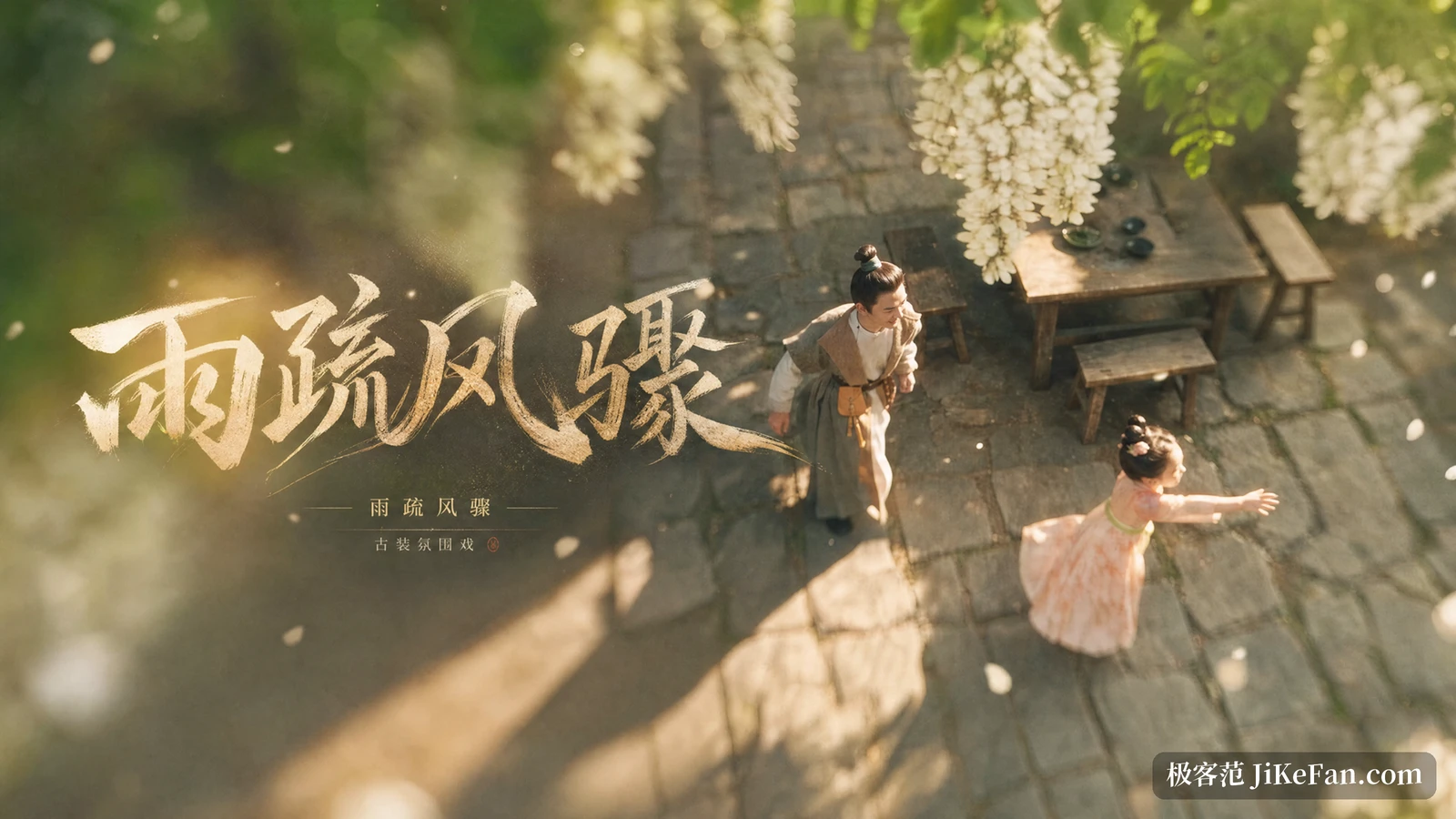
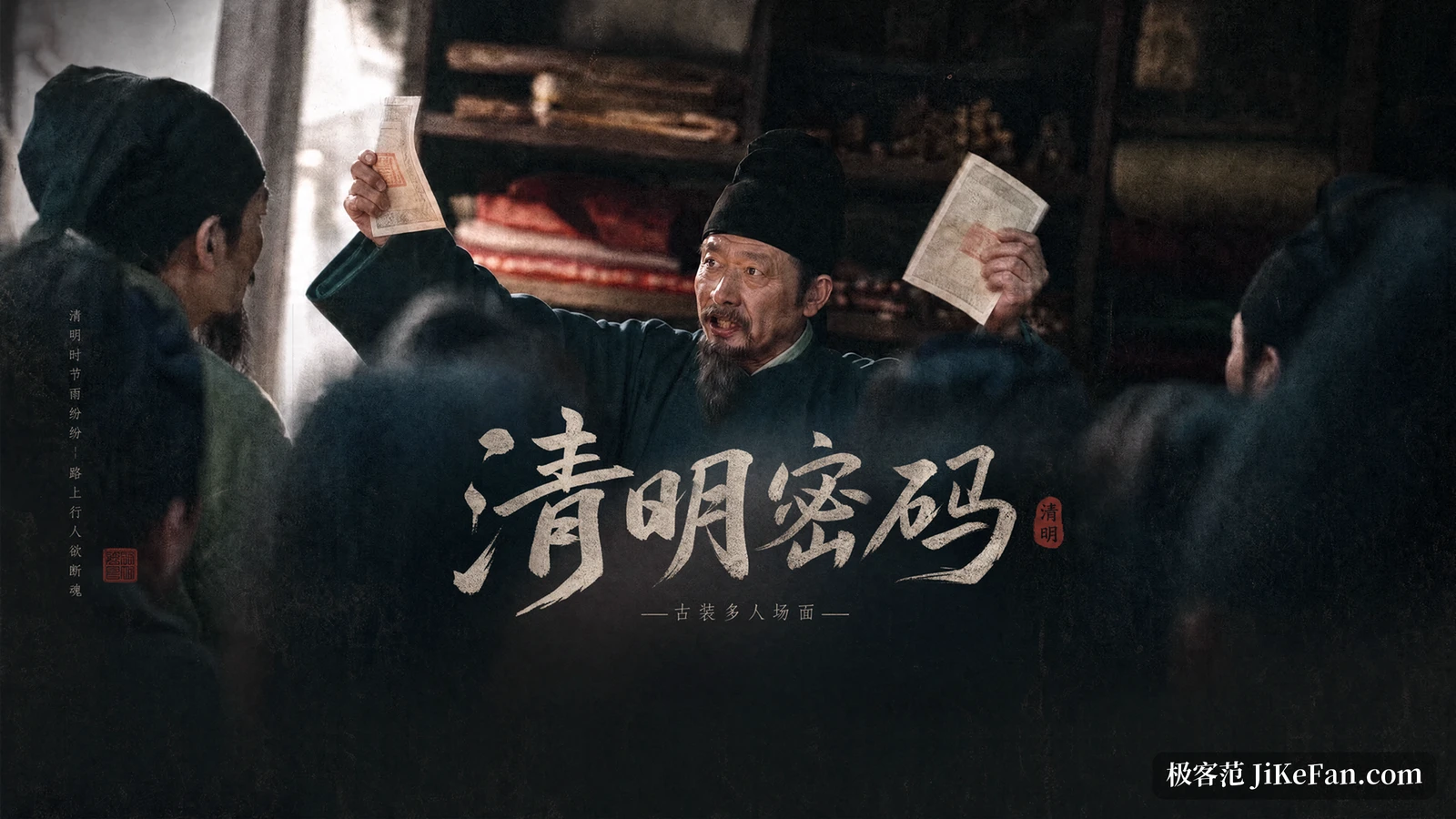
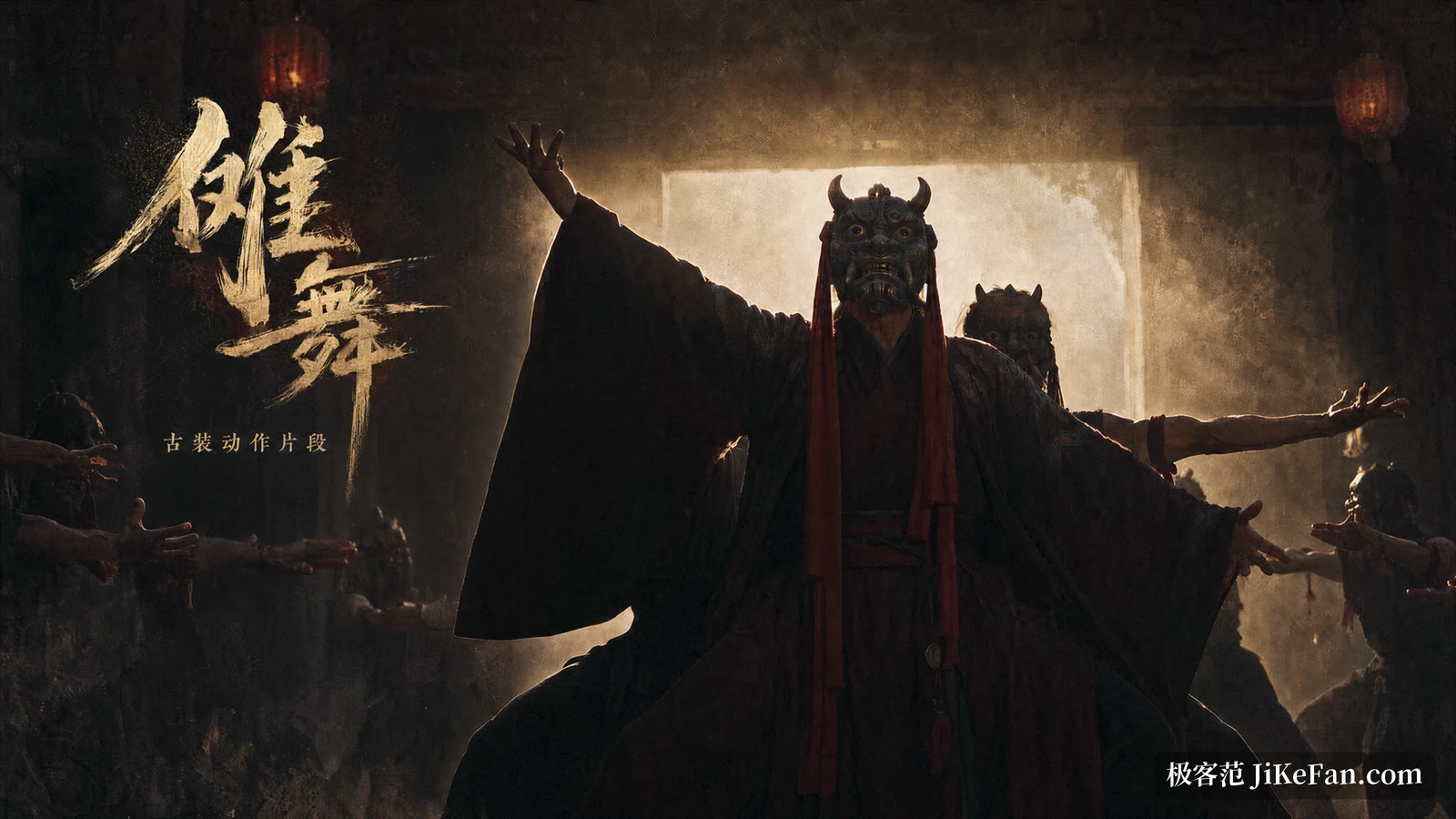
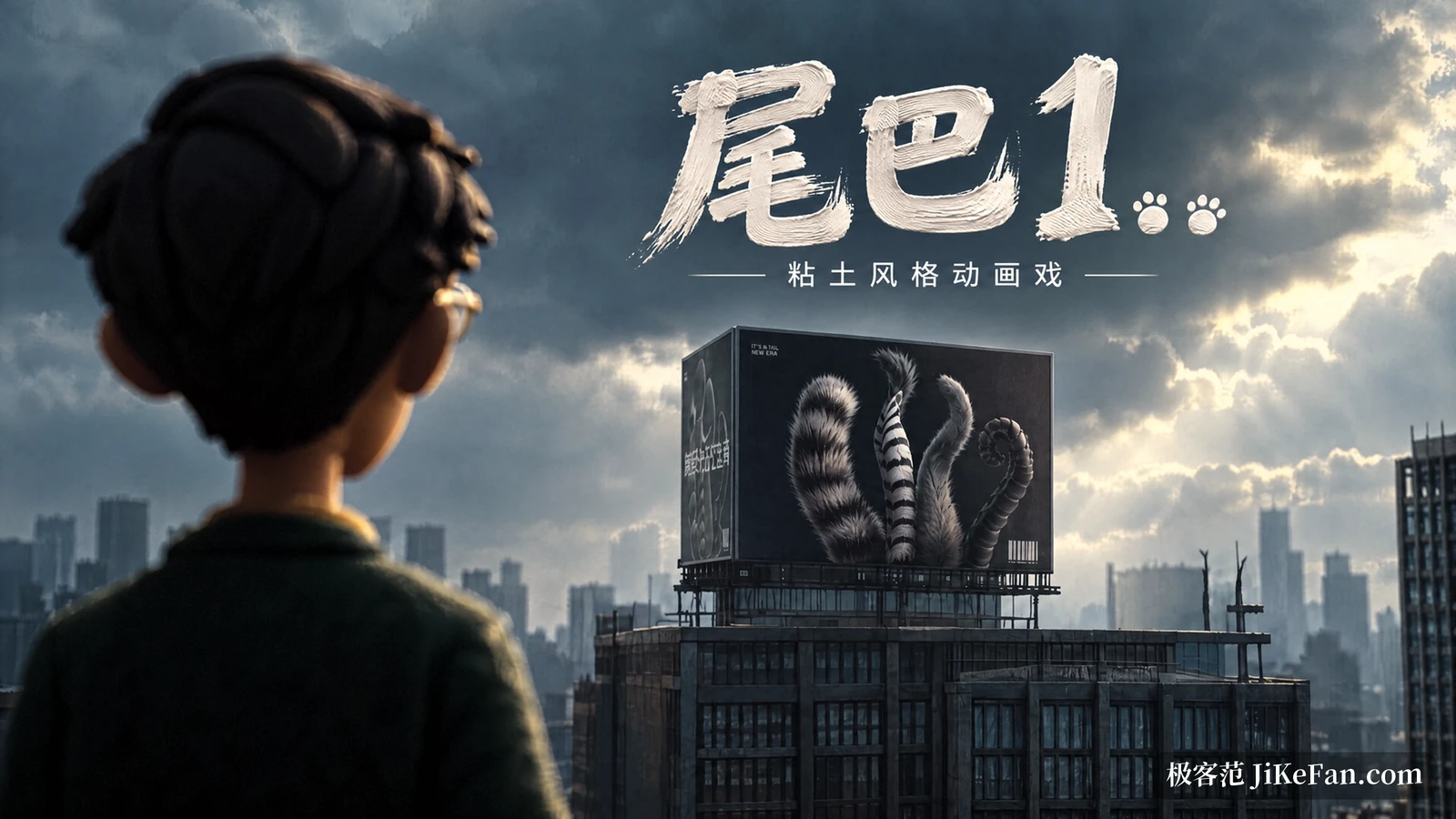
The showcase cases on the site show where that flow lands. A period memory scene leans on vintage radial blur and travelling focus to build the feel of old footage; a period street crowd scene has to hold a chaotic, tense mood across group shots and extras; a Nuo dance piece layers period movement with ritual imagery; a Shanghai era drama has to keep character likeness and relationships coherent across continuous scenes with several people in them. The clay style Tail series is a different test, since one clay texture has to carry through four segments so fantasy settings and characters stay continuous from start to finish.
Seeing where the money went
Cost control in film and television has always been vague, and vague is expensive. Jingrui AI accounts for consumption by episode, by scene, by team and by project, with the trail traceable end to end. At organisation level it shows how many teams exist, how many credits can be assigned and what each member account holds, while the consumption board reads total spend for yesterday, the last 7 days, the last 30 days or the last 90 days, together with rankings by team and by member. Which scene burned the most is no longer a matter of memory, it is a matter of opening the bill.
Payment changed along with it. Registration is open to everyone, creators do not need a membership, and credits are bought and used on the spot; team seats are unlimited, so adding people carries no extra seat cost. In the launch offer, more than 50 mainstream video models and more than 10 in house models, the professional film suite, and the image and audio tools are all open at no charge, and only the generation itself is metered.
Collaboration held on one infinite canvas
On long projects with many crafts involved, the trouble usually comes from assets scattered across folders and chat threads. The infinite canvas holds thousands of nodes and a hundred people working in real time, organises production by project, episode, scene and character, and keeps digital assets, prompts and workflows on the same page. Feedback from teams in the closed test kept landing on one point: from scene editing and character assets through to super resolution enhancement, nothing has to be exported and reimported, so both the talking and the redoing decrease.
Who will feel it first
Short drama and micro drama teams gain most directly. Many episodes, tight schedules, and one cast of characters that must stay consistent across dozens of scenes line up with the five suites plus stored character assets. Advertising and commercial teams care more about output specification and texture, where direct 4K, 60 frames, 10bit and HDR pull post production earlier in the chain. Animation and children content benefit from style consistency: the clay texture of the Tail series carries through the whole piece because one set of parameters is reused, not because every segment is described again from scratch.
The line on launch day was about amplifying people who understand framing, performance and narrative inside a new way of working. It sounds like a slogan, but the features answer to it: uncertainty goes into parameters, cost goes onto a bill, assets stay on the canvas. Whether it can really hold a professional crew to delivery standard still depends on how many teams beyond those hundred projects bring genuinely demanding work through it.
What Jingrui AI actually changes is not generation speed. It pulls AI video back from luck toward reproducibility, and for a crew on a schedule, only the second one counts.