
-
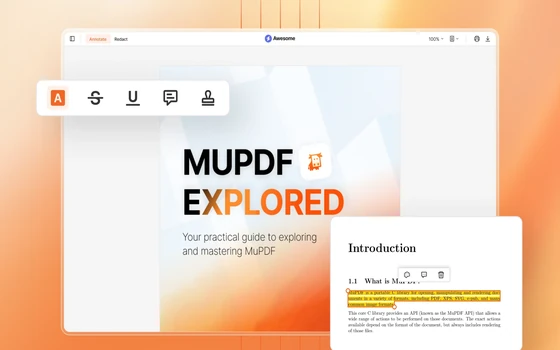
MuPDF 1.28.5: an open source document engine with nineteen subcommands for rendering, conversion and signing
MuPDF 1.28.5 is an AGPL document engine that reads PDF, XPS, EPUB and comic archives, ships a light viewer called mupdf-gl, and bundles nineteen command line tools for rendering, conversion and signing. The tag was cut on 25 September 2026.
-
ONLYOFFICE Desktop Editors 10.0: four document types, AI as a separate module
ONLYOFFICE Desktop Editors 10.0 gathers AI into a module you install or leave out. DOCX, XLSX, PPTX and PDF open in one window, and the source is published under AGPLv3.
-
Logseq: An Open Source Knowledge Base Built Out of Blocks
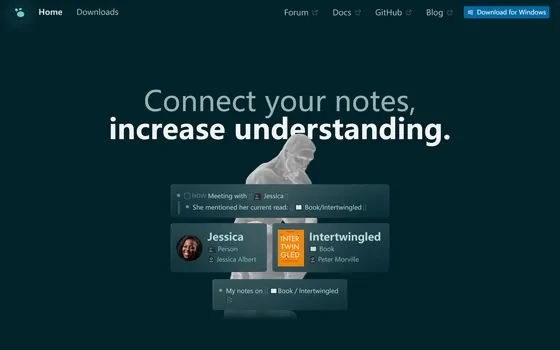
Logseq is an open source knowledge base where every line is a block: inline it into an outline or point at it from another page. Daily notes, card review and queries cover writing, revisiting and gathering.
-
LibreOffice review: six office tools, one install, no licence fee
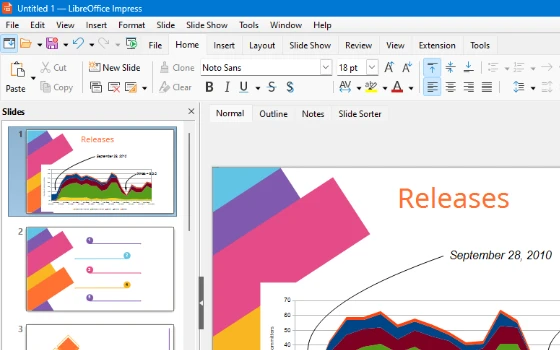
Word processing, spreadsheets, presentations, drawing, databases and formulas in one free package, maintained by a foundation rather than a vendor, with documents that save to an open format by default.
-
Pyspread Review: A Spreadsheet Where Every Cell Is Python
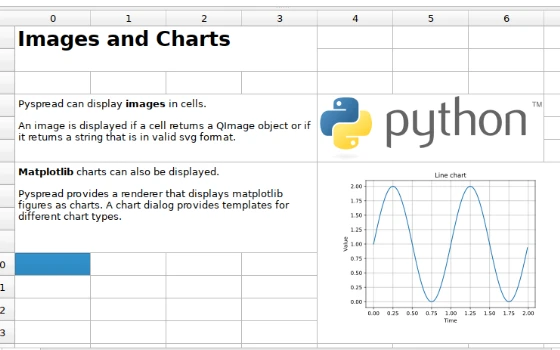
Write a Python expression in a cell instead of a nested formula, and get back a number, an array or a figure. The whole scientific stack is importable, so the grid doubles as an executable notebook.
-
Freeplane: a mind map that can actually carry work
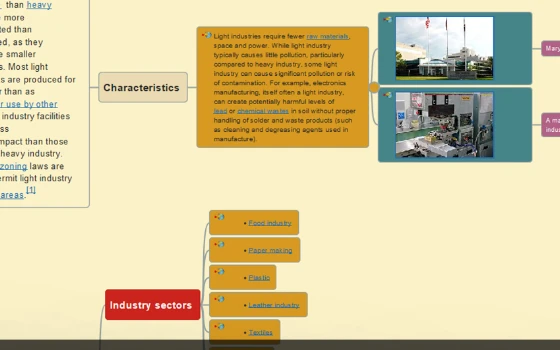
Most mapping tools spend their effort on looking good. Freeplane spends it on being capable: nodes carry attributes, formulas, dates and priorities, and a filter can hide everything that does not answer the question you are asking.
-
PDFsam Basic: split and merge PDFs without sending them anywhere
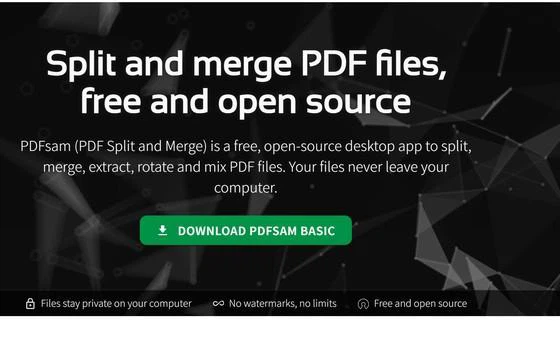
Combining dozens of scans into one file, or breaking a thick volume into chapters, is the most ordinary request in the world and the one most often mishandled. PDFsam Basic does both locally, with no limit, no watermark and nothing uploaded.
-
Anytype review: a knowledge base that stays on your device
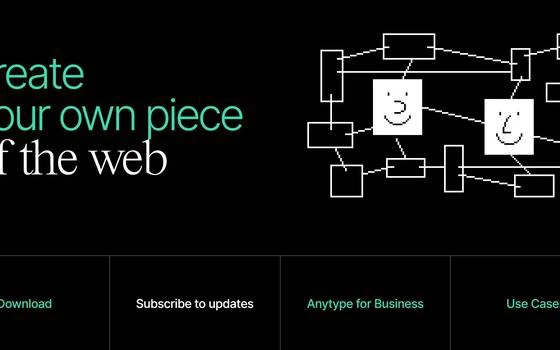
Anytype writes to the device first, syncs between devices over an encrypted peer to peer network where relays only forward ciphertext, and organises everything as objects that can relate to each other. Open source, free for personal use.
-
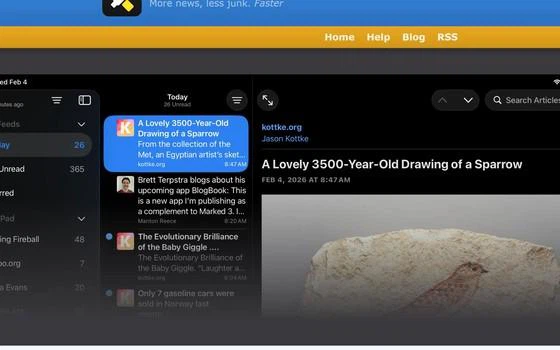
NetNewsWire: subscription reading, older and calmer than the feed
NetNewsWire has been subscribing to feeds since 2002 and is still free and open: native and quick on Mac and iPhone, iCloud sync without an account to buy, smart unread lists, search, keyboard flow and OPML import, with no algorithm deciding what comes next.
-
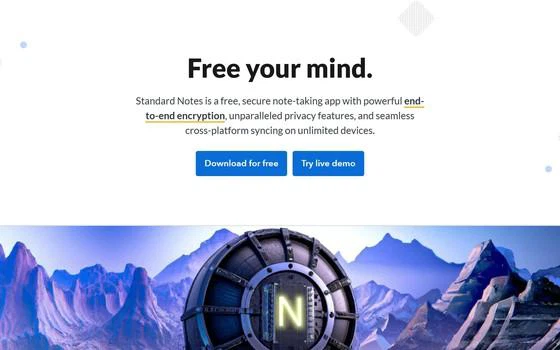
Standard Notes 3.202.5: ten years in the same quiet room
Standard Notes is an open-source note app with end-to-end encryption that has been running for more than ten years, with a public codebase and independent security audits. The permanently free tier covers encryption, unlimited devices, offline access, tags, per-note passwords, daily encrypted backups and two-step verification, and every note can leave as plain text.
-
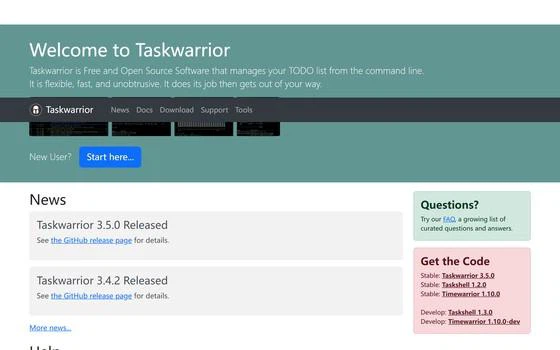
Taskwarrior 3.5: tasks and projects inside the terminal
A to do list that lives in the terminal: one command records a task, another brings it back. Tasks carry projects, tags, priority, dates, estimates and dependencies, repeating items are defined once, and the whole store is a file on your own machine.
-
Todo.txt: a task list kept in plain text, an open format that has not aged in twenty years
Tasks as ordinary lines of text with priority, dates, projects and contexts: readable by people, parsed by scripts, and portable between every editor and system you will ever use.
-
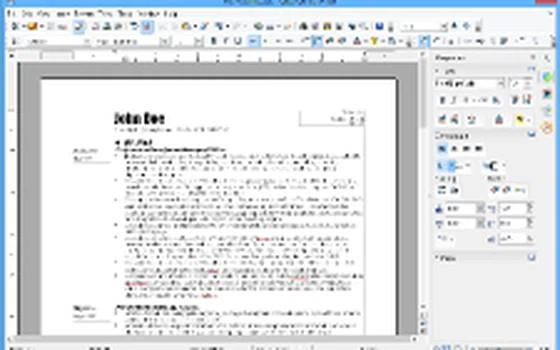
Apache OpenOffice: six components, no licence fee, an open format underneath
The long-running open source office suite from the Apache Foundation: Writer, Calc, Impress and three more components cover the working day, the ODF format it carries is an international standard, no licence fee is charged on any system, downloads have passed 330 million, and the current release is 4.1.16.
-
Trilium Notes: a note tree you host yourself, scriptable down to the API
An open source, self-hosted notebook organised as a tree rather than a flat list. Notes can be cloned into several branches, edited in place with tables, diagrams and formulas, scripted with JavaScript, and reached through a REST API. Run the desktop client or your own server.
-
QOwnNotes Keeps Every Note as a Plain File and Stays Under Fifty Megabytes
A free and open source note application written in C++ and compiled natively rather than wrapped in a web shell. Notes are plain Markdown files with no database, memory use stays in the tens of megabytes, and scripting, AI integration and an MCP server extend what the editor can do.

-
第 1 / 2 页