
-
Muse: Meta hands an AI its own cloud computer so it can actually do the errands
Meta's personal agent Muse runs on a separate cloud machine with its own browser: it fills forms, compares prices and places orders, keeps working after you close the app, and asks Sentinel before anything irreversible.

-
Let an AI answer your calls, book the table and hold the card: Cue gives every agent its own identity
An agent app from Manus for everyday life: every agent gets its own mailbox, phone number, wallet and cloud computer, so it can take calls, pay within a budget you set, and work in groups.
-
Treat an AI like a longtime colleague: Hermes Agent writes its own skills and remembers your habits
An open source autonomous agent from Nous Research: finished tasks harden into reusable skills that keep improving, preferences live in local files that survive sessions, and it plugs into more than twenty chat platforms.

-
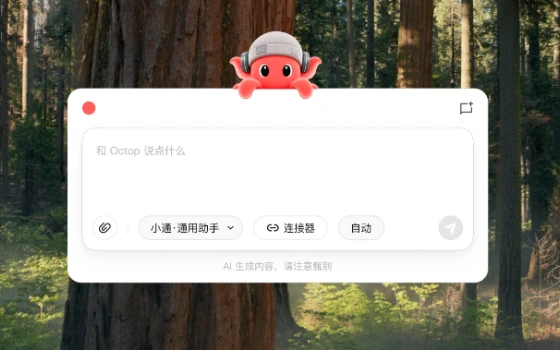
Octop: a self hosted AI assistant that keeps the data at home
An AI assistant platform from Tencent Cloud, MIT licensed, where conversations, workspaces and keys stay on your own machine and nine chat platforms route into the same set of experts.
-
DeepSeek Harness: an open agent runtime you can install and run
An open source agent runtime from DeepSeek with a desktop build that bundles Node.js, pnpm and a Python environment, four preset modes, a plugin page and a trace view.
-
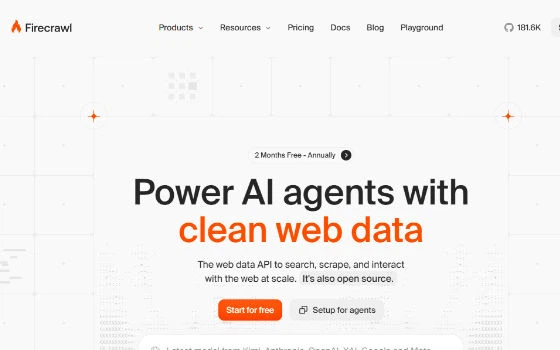
Firecrawl review: the layer that turns messy pages into agent food
Search, scrape and interact go through one interface, and what comes back is clean markdown, templated JSON or a screenshot. Proxies, anti-bot handling and rendering are the service's problem — which is exactly the tedious part.
-
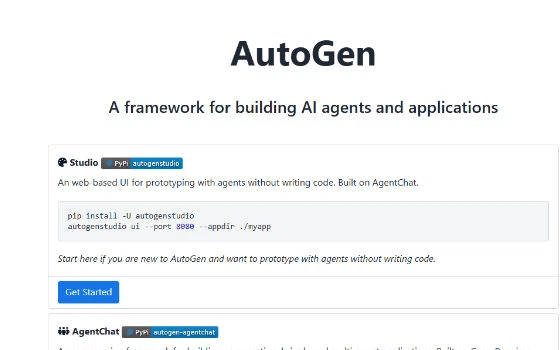
AutoGen in 2026: a layered multi-agent framework that stopped adding features
Four layers split by depth — a no-code studio, a conversational layer, an event-driven core and an extension pack. The framework is in maintenance mode, so the honest question is whether to start on it or only keep running it.
-
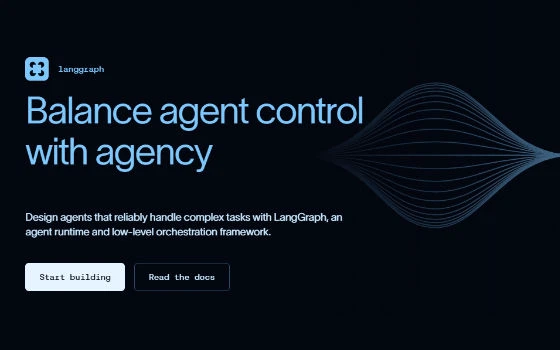
LangGraph review: a low-level graph runtime for agents that keep their place
Nodes are steps, edges are transitions, state travels between them — and the same graph may mix deterministic code with model judgement. Resume points, approval gates and inspectable state are primitives, not patches.
-
CrewAI review: agents with job titles, and a control plane above them
Agents, flows and tasks form the skeleton; a control plane on top traces every model call and memory read and costs it. The framework itself is MIT, and the discovery and optimisation stages depend on platform-scale data.

-
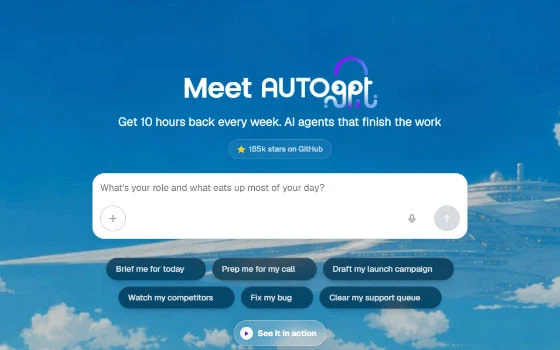
AutoGPT review: build agents by describing them, 187,000 stars later
Four screens split the work: describe an agent in a sentence, drag blocks for a complex flow, watch runs and spending, and reuse what others published. A platform directory under a source-available licence sits beside a classic MIT one.
-
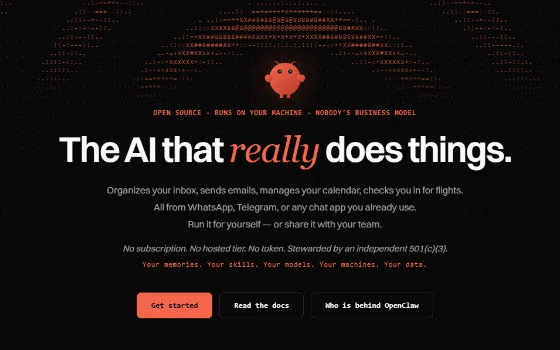
OpenClaw review: an open-source personal assistant on your own hardware
An assistant that lives in the chat apps you already use and keeps every trace of its memory on your own disk. A non-profit foundation holds the project, there is no paid tier, and one gateway process routes 29 channels into a coding agent.
-
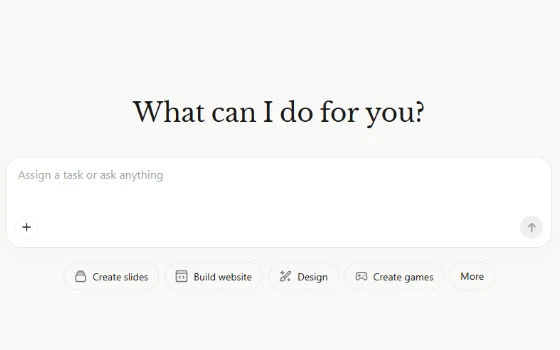
Manus sells a colleague with a computer, and bills by the credit
Give it a task and it plans, executes and hands back a finished file, because it runs inside a networked virtual computer with a disk that survives between steps. Credits replace seats, and every tier keeps the same concurrent and scheduled task limits.
-
Browser Use splits into an agent and a rented browser, priced per hour
One half takes a task and returns a result, the other rents your own Playwright code a remote browser with a stealth profile. The open library is MIT licensed, and the billing is per hour and per token rather than a subscription.

-
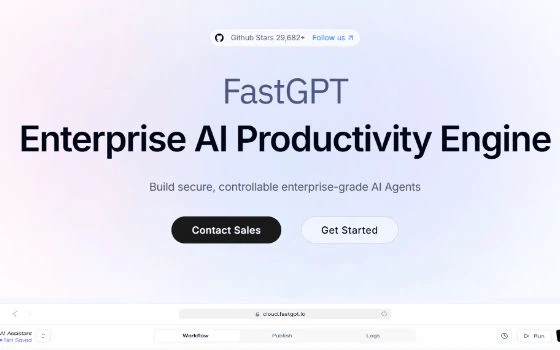
FastGPT starts from the knowledge base, then adds the workflow
A platform where knowledge base Q&A, visual workflows, agent orchestration and tool calling share one workspace. The licence allows internal commercial use but not resale as a service, and the retrieval side is where the effort went.
-
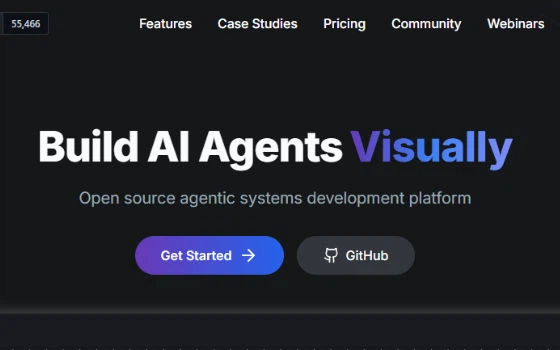
Flowise is archived: what the code still gives you after the shutdown
The project that made visual LLM flows mainstream has stopped: the repository was archived in August 2026 and the core team has left. The code stays under an Apache licence, which turns the question from what it can do into whether your team can carry it.
-
第 1 / 2 页