
Wanyun: a small box that turns a spare drive into a cloud for the house
Summary
A palm-sized appliance from OneThing that gives an unused drive a permanent place at home: downloads run on the household line, phone photos are copied over on their own, and one library opens on several screens. As of 2026-09 the companion app costs nothing.
Recommend- Name
- Wanyun
- Version
- 20260920
- Pricing
- Free
- Open source
- Proprietary
- Website
- https://www.onethingcloud.com/
- Updated
- 2026-10-06 08:47
A drive with nowhere to go
Almost every household that has retired a laptop still has its drive somewhere in a drawer: a small disc pulled out of a machine nobody uses any more, or a large mechanical drive bought for a project that ended years ago. Throwing it away feels like waste, and leaving it there means it never actually works. Wanyun, a small piece of hardware from OneThing, is built around that leftover: it gives the drive a fixed place in the house and makes it reachable from every phone in the household.
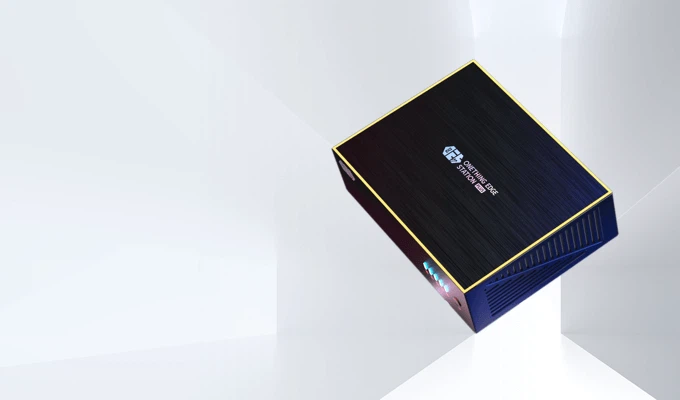
The ambition behind it is modest. This is neither a rack nor a machine that needs a room of its own, but a box the size of a palm, with a network socket, a USB port and a slot for an SD card along one side. Current, a network cable and a drive are all it asks for, and pairing it with the companion app on a phone takes minutes rather than an afternoon. As of 2026-09 the app itself costs nothing, which counts for something because the hardware already sits in the hundred-yuan bracket.
Fetching happens at home, not on the phone
What sells the device is downloading from a distance. A film or a bundle of files spotted while away is handed to the app as a link, and the actual transfer happens on the box at home over the household line. Nothing is taken from the phone data allowance, nothing drains its battery, and by the time somebody walks in and switches on the television the file is already on the drive. Ordinary links and magnet tasks are both accepted, and a finished video can be sent straight to the television for playback.
Splitting the work is the whole point of the design. A phone is a poor place to keep a large file and a poor machine to fetch one, while a box that stays plugged in and connected all day is good at exactly that. The queue keeps moving while the house is empty, which is the opposite of how a phone behaves.
A second battery bay for the photographs on the phone
Running out of room on a phone is close to universal, and the backup function answers it directly: photos and videos are copied to the drive at home automatically, so the capacity of the phone stops being the ceiling. What arrives is not tipped into one flat folder. Files are sorted by kind into video, photo and document groups, and free labels together with a keyword search mean that finding one particular picture does not involve opening folder after folder.
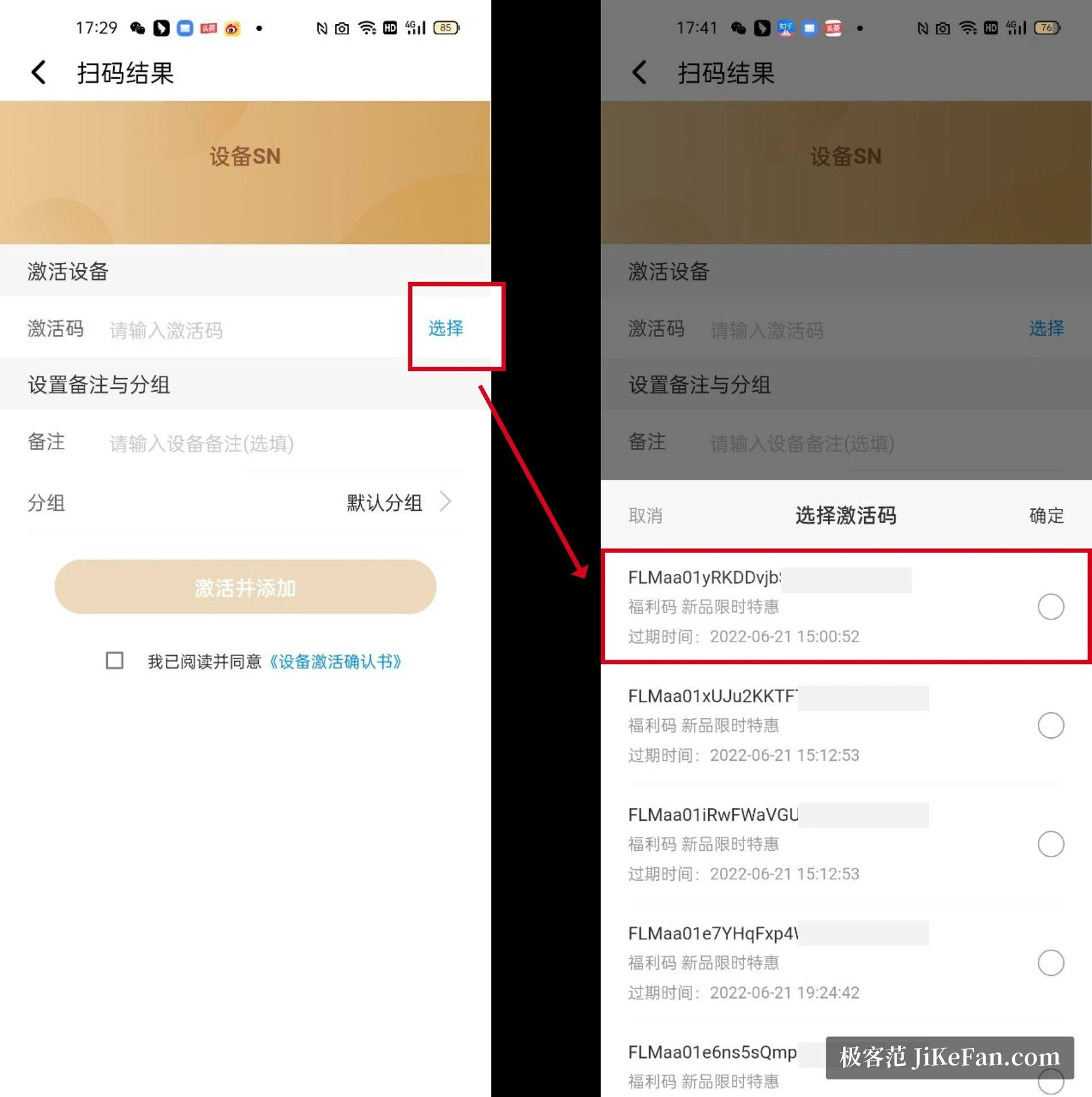
Anyone who shoots with a dedicated camera gets a second road: the card slot reads a card directly, so material from a drone or a reflex camera can be put away without opening a computer first. The detail looks small, and it weighs heavily on whether the putting away actually happens.
One collection, several screens
Whatever sits on the drive opens on a television, a computer, a tablet or a phone. The box carries a hardware decoder, so high definition material does not rest entirely on the processor of the player, and a television too old for smart applications still shows those files once the box is placed beside it. Set next to the television it plays the part of a quiet, thrifty shelf of films; away from home, the same collection stays reachable over the network.
Who it suits, and what to check first
Three kinds of buyer fit. The first has a spare drive and wants it earning its place. The second wants a private cloud for the family without spending much. The third simply wants somewhere roomy for the photographs currently filling a phone. All three end up with the same thing: storage that belongs to the household rather than to a subscription.
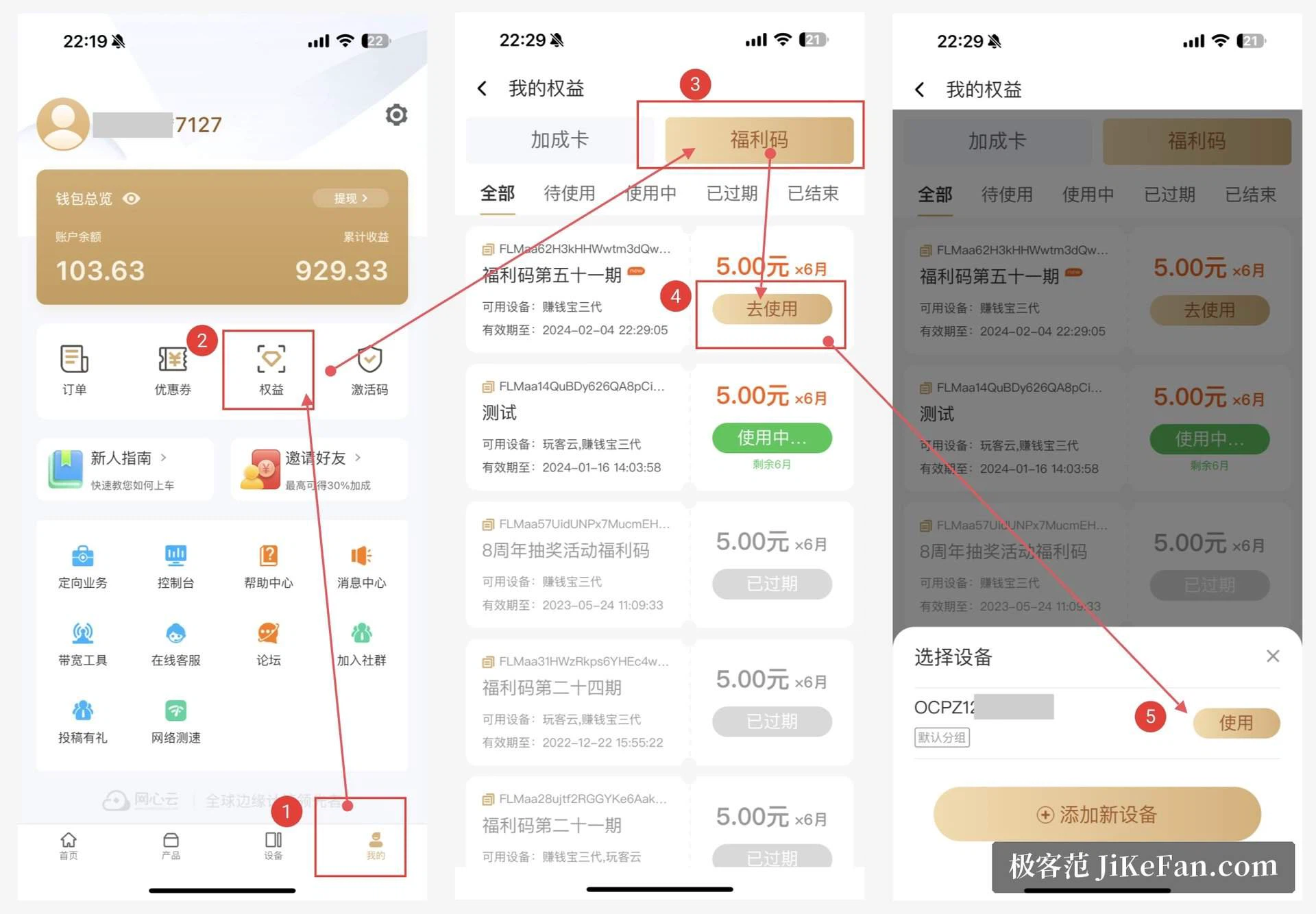
One caution belongs in an honest description. The services around this class of hardware are run by the maker for as long as the maker chooses, and features or the terms of an offer can change with that policy. Before ordering, the official site is the place to confirm what is offered today. That understood, the device does what a first piece of home storage has to do: it takes a drive that was doing nothing and turns it into something the whole household uses, for the price of a single meal.