
SketchUp 2026: push and pull modelling, with a free tier in the browser
Summary
SketchUp first appeared in 2000 and now belongs to Trimble. Its core gesture pushes a face into a solid and pulls a line into a face, which is why architects and stage designers keep using it; the browser version carries a free tier for personal projects.
Recommend- Name
- SketchUp
- Version
- 2026
- Pricing
- Paid
- Open source
- Proprietary
- Operating system
- WindowsmacOS
- Website
- https://www.sketchup.com/
- Updated
- 2026-10-06 22:56
A shape appears between two gestures
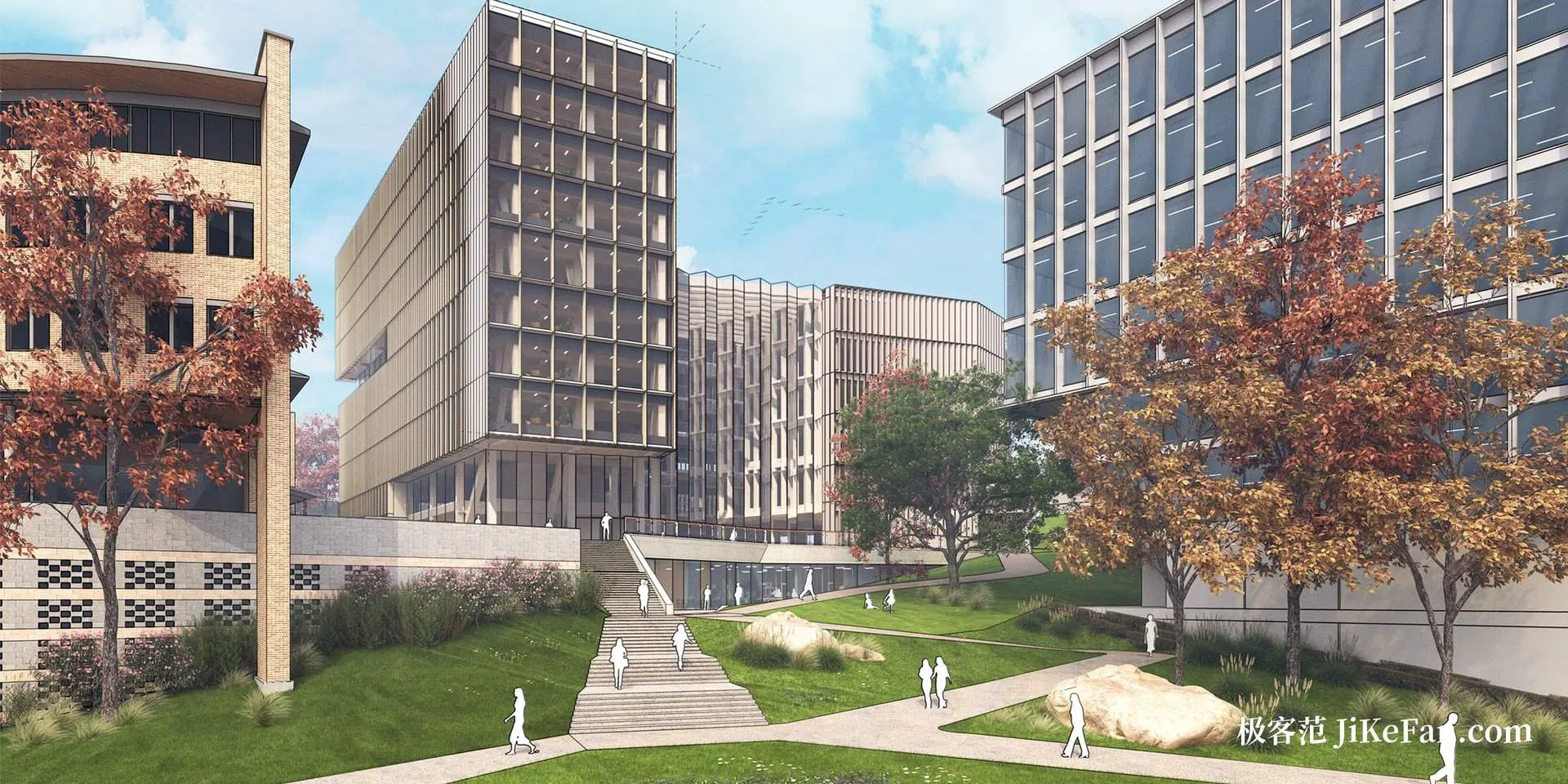
SketchUp is a three-dimensional modelling program first released in 2000, which passed through several hands before ending up with Trimble. What made it famous is the low threshold: the central operation is to push a face into a solid and to pull a line into a face, without first having to learn a parametric logic in which every object is defined by a chain of constraints. That is why it turns up in architecture, interior design, exhibition work and stage design, and why the vendor can claim an annual user base in the tens of millions.
The difference from parametric tools is worth stating plainly. There, a wall is a rule; here, a wall is a surface you have just pushed upward. The first approach survives a change of dimension gracefully and punishes an unusual idea; the second lets an unusual idea appear in ten seconds and makes the tenth revision tedious. Different tools, different stages of thought.
Three forms, not one
The program now exists in three shapes, and they are not equal. The desktop version for Windows and macOS is the fullest, with LayOut for producing construction drawings, a system of extensions, and advanced features around geolocation and point clouds. The iPad version suits sketching a scheme wherever you happen to be, and the web version runs inside a browser with nothing to install, which is also where the free tier lives. All three sign in through a Trimble account, and models can be viewed and shared in the cloud.
That division decides most practical questions. Someone who needs a sheet of drawings for a builder is choosing the desktop; someone who wants to show a client a volume on a tablet in a coffee shop is choosing the iPad, and someone who wants to try the thing on a Sunday is choosing the browser.
What the free tier can do
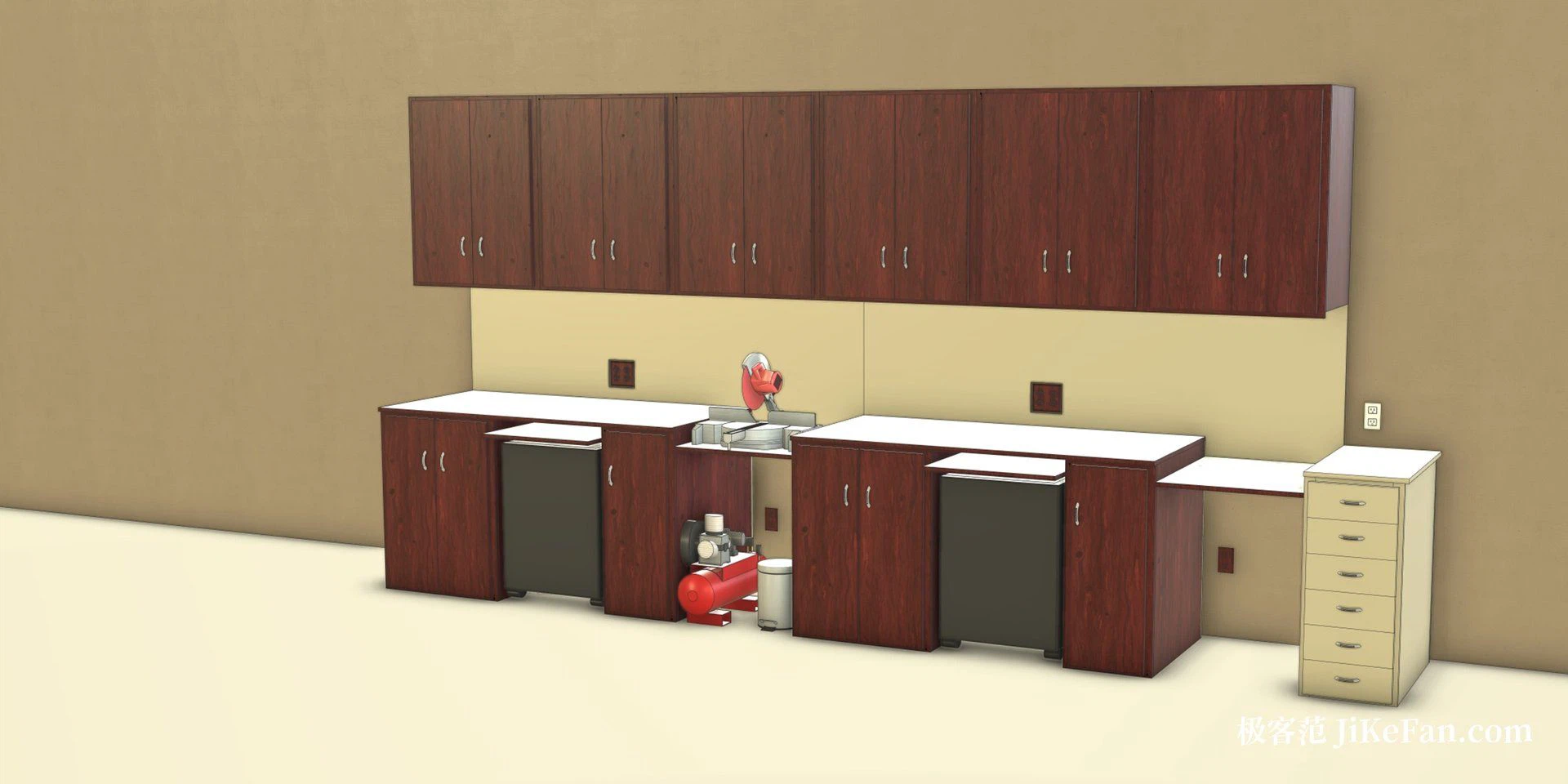
The web version is free for users who qualify: the core modelling tools, a certain amount of cloud storage, and access to the ready-made components in the model warehouse. The limits are equally explicit. It is restricted to personal, non-commercial projects, it does not support extensions, it cannot import some formats, and it does not work offline. Anyone who wants to use it on a paid job needs one of the paid tiers.
Read together, those two lists describe a trial that is genuinely useful and deliberately fenced. The modelling itself is not crippled, which is what makes the free tier worth learning on; the fences sit exactly where commercial use would begin.
Paid tiers and the version
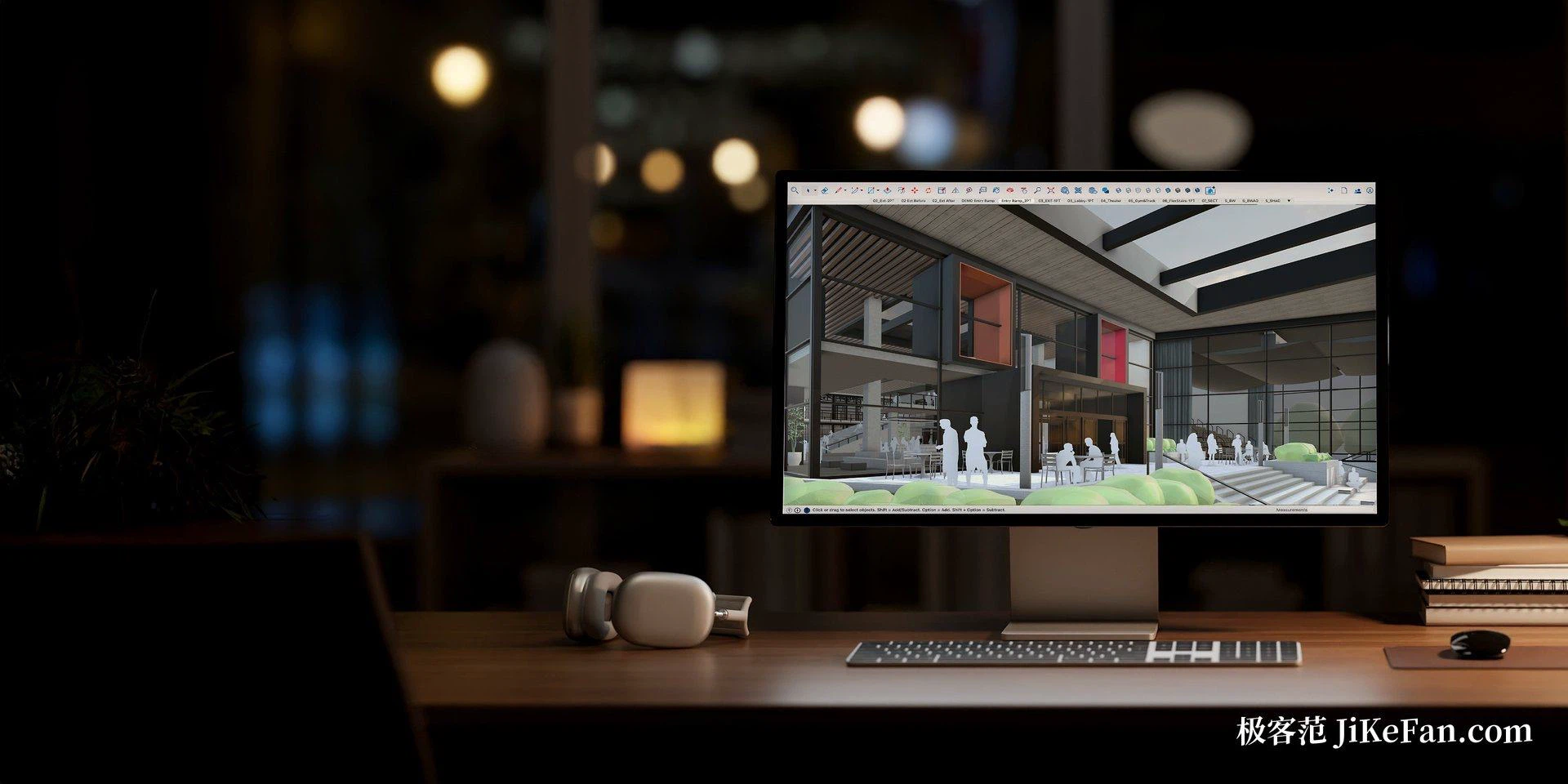
The paid plans fall roughly into three: an entry tier for the web and the iPad, a professional tier that includes the full desktop program and LayOut, and a higher tier that adds rendering and point cloud tools. Prices and inclusions belong to the vendor's current page rather than to a summary like this one. Education and non-profit institutions usually receive a substantial discount.
As of 2026 the current major version of the desktop program is SketchUp 2026. One change is worth knowing before budgeting: the old perpetual licence was discontinued some time ago, and subscriptions are now the only way in. A studio that used to buy a seat once and keep it for six years is now paying every year, which changes the arithmetic of how many seats it keeps.
For learning three-dimensional modelling without meeting a parametric system on the first day, SketchUp is still the easiest place to start. Get used to the push and pull logic in the free browser version first, and consider the professional tier only once the desktop program, extensions and drawings are genuinely needed.