
Rime: the input method engine behind Weasel and Squirrel, schemas as config
Summary
A cross platform input method engine rather than a single app. Weasel on Windows, Squirrel on macOS and ibus-rime on Linux are the official front ends, and dozens of schemas from pinyin to Cangjie to Cantonese can be mounted on top. Everything is configured in YAML, and dictionaries stay on the machine.
Recommend- Name
- Rime
- Version
- 0.17.4
- Pricing
- Free
- Open source
- Open source
- Operating system
- WindowsmacOSLinux
- Website
- https://rime.im
- Updated
- 2026-10-12 22:04
The input method is the software struck most often in a day, and usually the one settled for most cheaply.
One engine, several shells
Rime s position needs stating first. The download page describes it as a cross platform framework for input method algorithms, on which developers and community contributors have built their own front ends for different systems. In other words it is an engine, not a particular input method program.
There are three officially maintained front ends. The repository separates official from community work: Weasel on Windows, Squirrel on macOS and ibus-rime on Linux. The look of each shell follows the habits of its platform, while the schema parsing and dictionary handling underneath are the same engine everywhere. That note also implies something worth remembering: community front ends and official ones are two categories, and it is worth telling them apart when choosing.
Why this matters to someone who just wants to type is simple. An engine that several front ends share means the schema you tuned does not have to be tuned again when you change systems, and a dictionary exported on one machine opens on another. The cost is that nothing is assembled for you: the initial setup takes an afternoon that a bundled input method would have spared you.
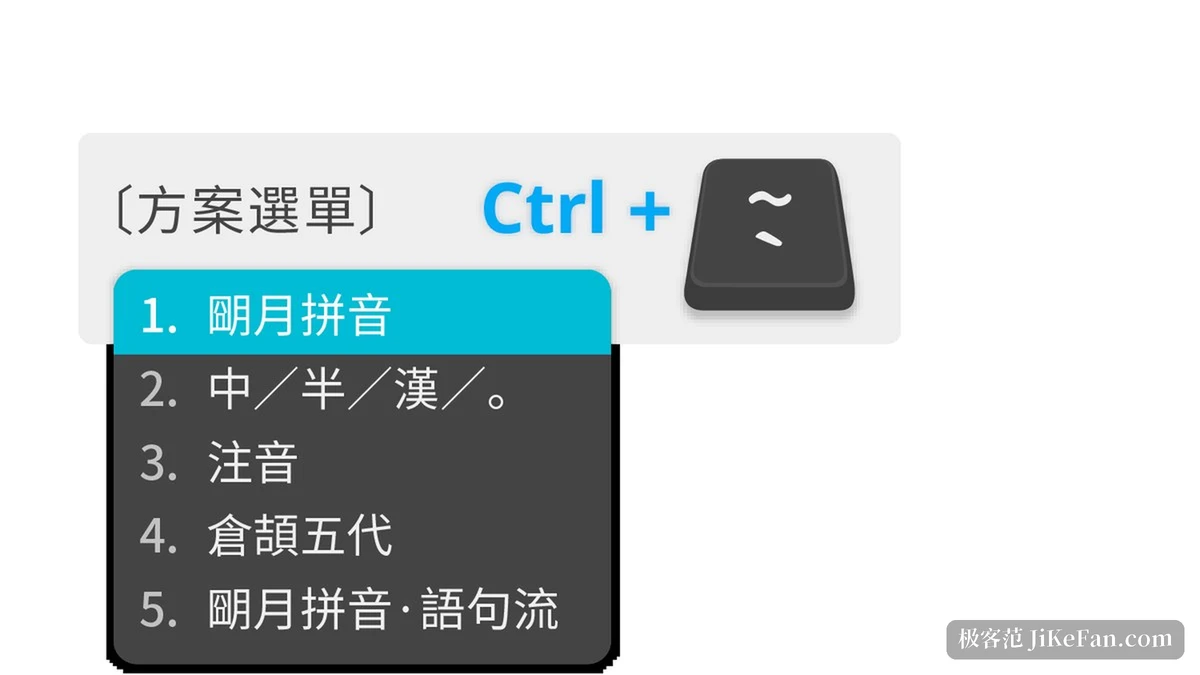
Schemas are configuration
The number of input schemas is the most visible trait. The front page lists recipes covering pinyin, zhuyin, Cangjie, quick, Wubi, double pinyin, Kungfu pinyin, Cantonese, Wu dialects, middle Chinese, five stroke, emoji and the international phonetic alphabet. Both phonetic and shape based families are in range, and narrow needs such as dialect spelling or historical pronunciation have entries of their own.
These schemas are configuration rather than programs. The project describes a schema as a domain specific language in YAML, which makes new input designs quick to try, and the spelling algebra built into the engine can generate variant spellings, particularly useful for Chinese dialects. Reordering candidates or changing what a key does means editing a configuration file, not recompiling anything.
That design has a practical consequence. Tweaking is cheap and safe, so people actually do it, and a schema accumulated over years becomes a personal asset that travels between machines as a folder. The other side is that a badly edited file can leave you without a working keyboard, which is why keeping one extra front end installed is a sensible precaution.
Item | Official notes |
|---|---|
Version | Weasel 0.17.4, released 4 June 2025 |
Front ends | Weasel on Windows, Squirrel on macOS, ibus-rime on Linux |
Licence | front ends under GPL, the librime engine under three clause BSD |
Systems | Weasel for Windows 8.1 to 11, Squirrel for macOS 13.0 and newer |
Schemas | pinyin, zhuyin, Cangjie, quick, Wubi, double pinyin, Cantonese |
Format | described in YAML and editable by hand |
Where the dictionary lives
Over time the dictionary becomes a sediment of personal habit, so where it sits deserves attention. The user manual says dictionary snapshots are backed up by default to a sync folder under the user directory, and that synchronising a user dictionary between machines requires a sync target folder you specify yourself. Cross device sync therefore runs through storage you choose, not through an official server.
This matches the shape of the engine. The project describes it as cross platform C++ built on open technology, a local library, with schemas and dictionaries landing on the machine too. The developer documentation lists network capability as something planned for later, which says the current version is not built to include it. For anyone who cares where keystrokes go, that design line is worth more than any assurance.
Two things are worth confirming before starting. First the system version, since Weasel covers Windows 8.1 through 11 and Squirrel requires macOS 13.0 or newer. Second the origin of a schema, because configuration packages circulate widely in the community, some of the better known ones maintained for years by individual developers. Those are community works rather than official ones, and reading the author s notes first is the safer path.
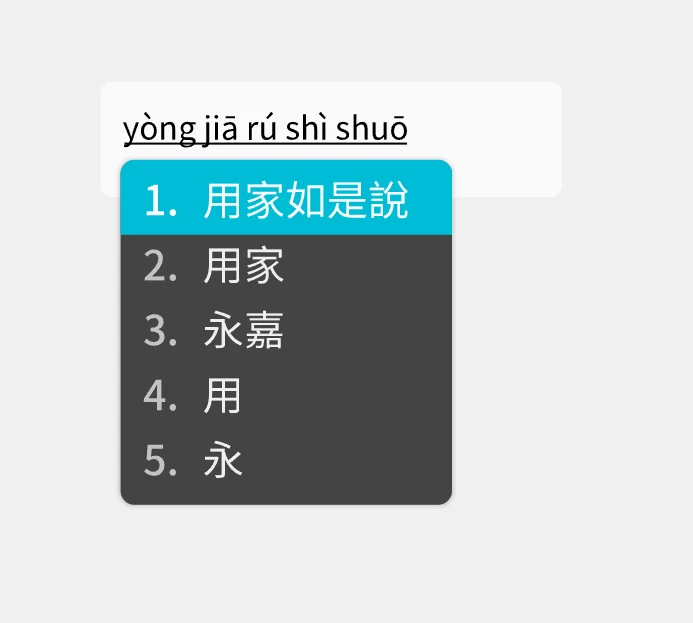
The engine offers possibilities; whether typing actually feels good depends on how finely a schema has been tuned.
A few suggestions. Install the official front end for your system first and spend a while with the schemas it ships before adding anything. Once the habit settles, consider a community package. And set the dictionary sync path to suit your own devices rather than leaving the backup in its default place forever.