
Kali Linux: the workbench security teams agree on
Summary
An assessment platform that arrives ready to work: hundreds of tools sorted by purpose, a rolling toolchain, and images for virtual machines, containers and cloud, free and open source.
Recommend- Name
- Kali Linux
- Version
- 20260923
- Pricing
- Free
- Open source
- Open source
- Operating system
- LinuxARM虚拟机镜像DockerWSL
- Website
- https://www.kali.org/
- Updated
- 2026-10-08 21:01
The bench that a whole profession agreed on
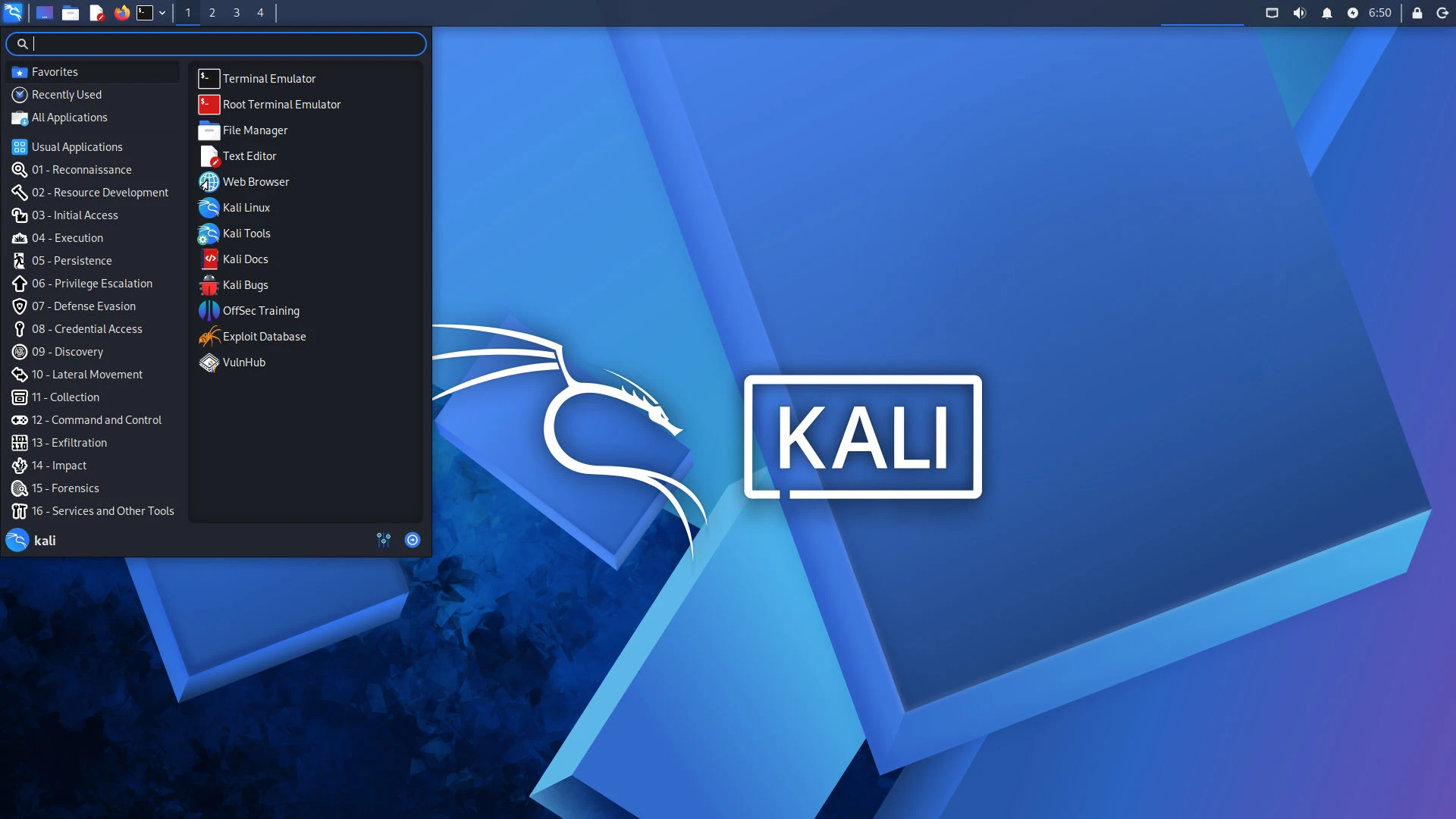
Ask a room of security professionals what sits on the assessment laptop and the answers converge quickly. Kali Linux is maintained by a company that does security work for a living, and the several hundred tools it ships are sorted by purpose instead of being tipped into a single menu: network assessment, web application testing, digital forensics, wireless analysis. The interesting number is not the count of tools. It is the number of hours a new team member saves before their first real task, because the environment arrives already assembled.
The release model is rolling, so the toolchain follows upstream instead of freezing for a year and then jumping. On a discipline where a library released last month matters, that difference shows up in whether an assessment covers the current behaviour of a service or the behaviour it had two versions ago.
One base, many shapes
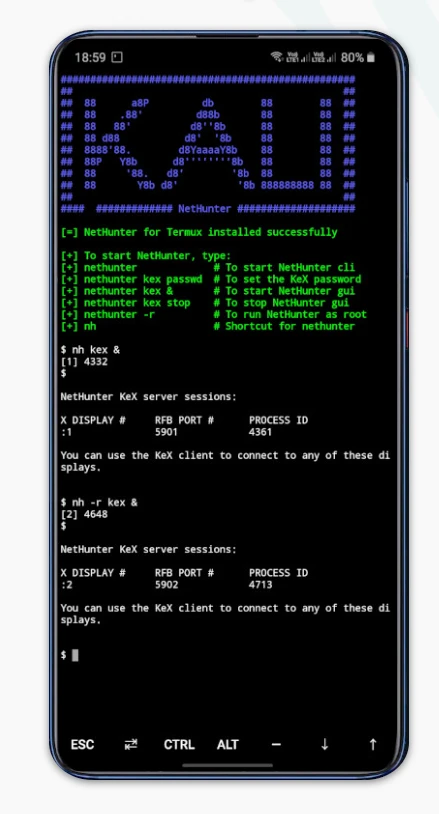
Distribution is where the project separates itself from the era when security work meant burning an ISO. Virtual machine images, container images, a Windows subsystem build and cloud marketplace listings all exist as first class citizens, so an experimental environment is minutes away rather than an afternoon away. The same base can live on a laptop for study, on a jump host for an engagement, or inside a disposable container that disappears when the work is done.
Documentation and training are part of the package rather than an afterthought. Official material covers the tools and the paths that lead to recognised certifications, which is why the platform has become the default place to learn the trade as well as to practise it. A large community means most mistakes have already been made in public and answered in public.
Professional means authorised
The purpose of the platform is narrow and should be stated plainly: assessment inside a scope you have been given, vulnerability research, and forensic examination of evidence. Enterprise teams use it for scheduled checks, researchers use it to reproduce and analyse a defect, investigators use it to extract and interpret artefacts. None of that is the same thing as pointing the toolchain at infrastructure nobody asked you to touch.
The tools themselves are neutral, and the project has always framed them that way. What separates a professional from a nuisance is paperwork and permission: a signed scope, a defined window, a report at the end. Anyone who skips that part is not doing security work, whatever the terminal says.
The standing of Kali Linux comes from professionalism and restraint: it hands the sharpest instruments to people who follow rules, and delivers capability and responsibility in the same box.
Habits that keep it useful
Keep study and practice inside virtual machines you own or environments you are authorised to use, and keep the assessment system separate from the machine you live on. Snapshots before an experiment cost nothing and rescue an afternoon. Read the terms attached to a target before the first packet leaves the interface, because scope disputes end careers faster than technical mistakes do.
Treat the platform as a toolbox rather than an identity. The people who are good at this work spend most of their time reading, mapping and writing, and reach for a tool only when a question has been framed properly. The distribution makes that easier by removing setup work. It cannot make the judgement for anybody, and it was never meant to.