
-
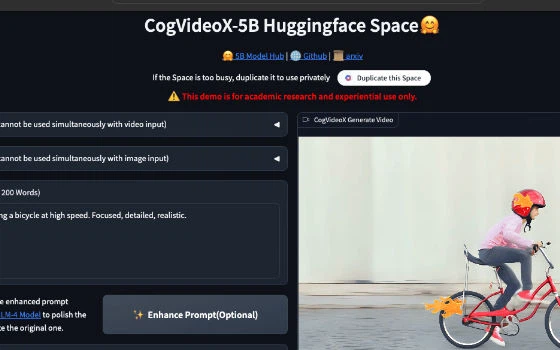
CogVideoX runs a text-to-video model locally, with code and 2B weights under Apache 2.0
CogVideoX is the open-source counterpart of the model behind QingYing. Five checkpoints span 720 by 480 to 1360 by 768, memory needs fall from 18GB to 3.6GB with INT8, and the 2B weights share the code's Apache 2.0 licence.
-
CapCut review: smart cutout, AI frame interpolation and voice cloning in one editor
The desktop build of CapCut puts one-tap AI next to manual tools: smart cutout, grading, quality repair, frame interpolation and beauty sit beside four kinds of mask, keyframes and multicam. New hardware support covers 4:2:2 encoding and RTX 50 series acceleration.

-
Wan walks from an 8.19 GB video model to a 27B dual-expert MoE, all in the open
Two experts of about 14B each add up to 27B, yet only one fires per step, so the cost stays near a single-expert model. A separate 5B branch keeps 720P at 24fps inside a single consumer card, and compression in the VAE is what buys the room.

-
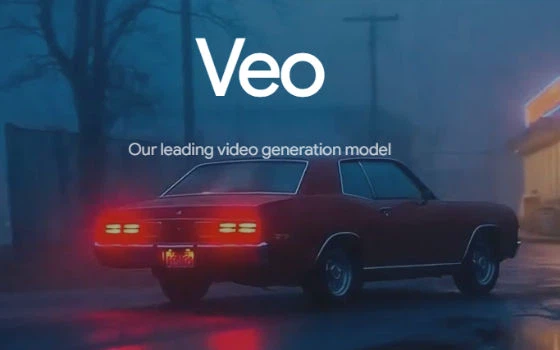
Veo 3.1 puts sound inside the same generation, and hands shot control back to the creator
Effects, ambience and spoken lines come out of one pass instead of being laid on afterwards, and the clip lands in 1080p or 4K with the frame, the movement and even objects inside it editable. A studio layer wraps the model in tools and a daily credit allowance.
-
PixVerse splits its models in three, and V6 turns one prompt into a finished 15 second cut
One generation now yields a quarter-minute clip at full HD with several shots and its own dialogue, effects and ambience, and the frame shape is fixed before the render instead of cropped after. A separate line pushes the same engine toward worlds that keep answering input.
-
Vidu splits sound and realtime into two lines, and Q3 emits four tracks at once
Dialogue, narration, effects and music leave in the same export as the picture, so a scene no longer needs a silent render followed by dubbing. A second line handles the live side, where an avatar talks back and scenery swaps without stopping the stream.

-
Hailuo H3 folds four modalities into one context and ships 2K by default
The generator answers prompts, stills and audio in the same pass, keeps stereo in the render rather than adding it later, and treats 2K as the starting point. Its cheapest claim is a per-second rate the vendor puts below a third of what mainstream models charge.
-
Kling 3 ties picture and voice together while generating, and claims native 4K clips
Sound is settled in the same pass as the image, so a clip does not need a silent render followed by dubbing. Native 4K sits at the top of the price ladder, and the developer side charges by the second.
-
Luma hands every frame back to the editor, sixteen keyframes per clip and native HDR output
A single clip can carry up to 16 keyframes, existing footage can be rewritten for 20 seconds at a time, and 16-bit colour arrives straight from the model. That is the argument: AI output walking into a normal finishing pipeline.

-
Pika turns a still into a clip and adds effects in a tap, with 80 credits free every month
Stills, effects, trend imitations, an agent and an interface all live on one site, and the free plan hands out 80 credits a month. A five second frame at 1080p costs 40 of them, so the free allowance buys two.
-
Runway keeps generation and post-production inside one workbench, on its Gen-4.5 model
Generation, image work and finishing share an account and a workspace, so a clip does not have to be exported to be repaired. The free plan hands over 125 credits once, and paid plans start at USD 12 a month billed yearly.

-
第 1 / 1 页